
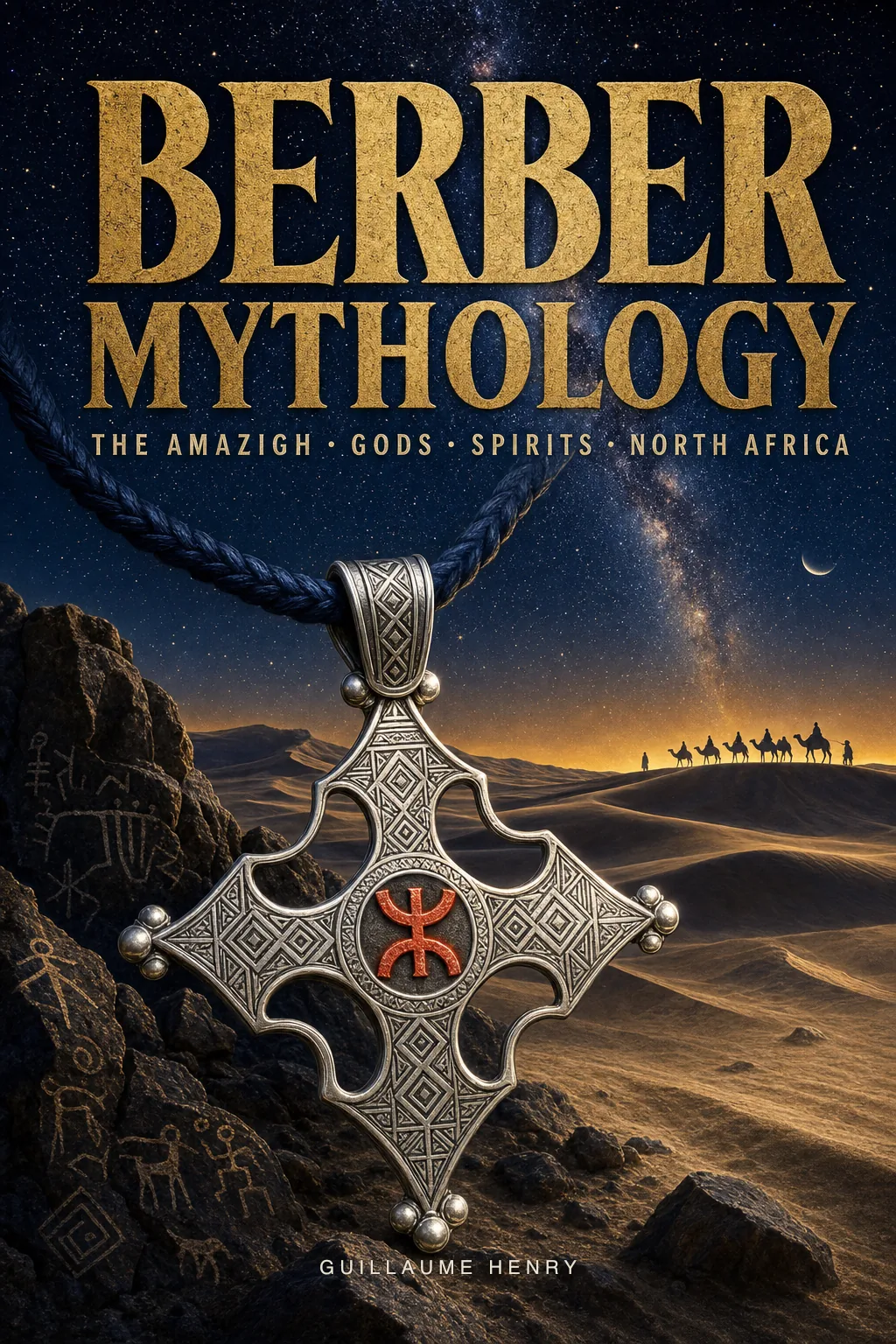
Berber Mythology
The Berber Mythology Book: The Gods, Spirits, and Sacred World of the Amazigh
The Amazigh: Gods, Spirits, and North Africa
The beliefs of North Africa’s first people, the Amazigh, who were old when Carthage was young: the sun and the moon, the jnun of the wild places, the cult of the ancestors and the caves, the goddess the Greeks called Athena, and a tradition that outlived every empire.
$14.99
Pre-order: delivered within 24h
Inside this book
What you will read
- 11 chapters, primary sources
- Instant PDF download
- Original ink illustrations
- Inline citations to classical and field sources
- Designed for print quality
See all chapters +
- 01The Free People: Who the Amazigh Are
- 02The Sun, the Moon, and the Old Sky
- 03The Cult of the Dead and the Sacred Caves
- 04Gurzil, Bonchor, and the Gods of the Tribes
- 05The Great Goddess of Libya: Tanit and Athena
- 06The Jnun: Spirits of Spring, Stone, and Threshold
- 07Antaeus, Atlas, and the Libyan Myths of the Greeks
- 08Amulets, the Khamsa, and the Evil Eye
- 09Marabouts, Saints, and the Holy Dead
- 10Festivals, Yennayer, and the Amazigh Year
- 11From Carthage to Islam: A Faith That Endured
About this book
About this Berber mythology guide
The beliefs of North Africa's first people, the Amazigh: the gods of the tribes, the jnun of the wild, and a tradition that outlived every empire.
Long before the Arabs, the Romans, or even the Phoenicians, North Africa belonged to the Amazigh, the people the Greeks called Libyans and the world calls Berbers. They worshipped the sun and the moon, buried and consulted their dead in painted caves, feared and bargained with the jnun of the springs and the thresholds, and honored a great goddess whom the Greeks half-recognized as their own Athena. Empire after empire washed over them, and the old beliefs simply went underground and endured.
This book gathers that long-lived tradition. Eleven chapters cover who the Amazigh are, the old sky, the cult of the dead and the sacred caves, the gods of the tribes, the great Libyan goddess, the jnun, the Libyan myths the Greeks borrowed (Antaeus, Atlas), and the amulets and saints that carried the faith into the Islamic age. Every chapter cites its sources.
Delivered as a print-quality PDF within 24 hours of purchase.
What you will discover inside
- The Amazigh, the free people, who were old when Carthage was young
- The cult of the dead and the sacred caves of North Africa
- Tanit, the great goddess the Greeks half-confused with Athena
- The jnun, the spirits of the spring, the threshold, and the wild
- Antaeus and Atlas: the Libyan giants the Greeks borrowed
- The khamsa, the marabouts, and a faith that outlived every empire
Berber mythology book at a glance
| Tradition | Berber mythology |
|---|---|
| Chapters | 11 chapters |
| Length | 150 pages |
| Sources | Drawn from the primary sources, cited inline |
| Reading level | Beginner-friendly. Every name and place is explained from scratch |
| Format | Print-quality PDF |
| Delivery | PDF within 24 hours |
Formats and editions
| Edition | What you get | Price |
|---|---|---|
| Instant PDF | Print-quality download, readable on any device. PDF within 24 hours. | $7.99 |
| Paperback | A paperback edition is on the way. Sign up on this page to hear when it lands on Amazon. | Coming soon |
About the author

Guillaume Henry
Founder & Editor-in-Chief, Mythologis
Guillaume Henry founded Mythologis to make the world's mythologies readable without losing what makes them strange. Every Mythologis book draws on the primary sources first, cross-references multiple translations, and avoids inventing details that aren't in the originals.
More about the authorKeep exploring Berber mythology
Prefer to read before you buy? These free, fully sourced guides cover the same gods, myths and sources you will meet in the book.
Read the complete Berber mythology guideQuestions about the Berber mythology book
When will I receive my PDF?
Within 24 hours of purchase. Your download link arrives in your inbox automatically.
Is this book based on primary sources?
Yes. It draws on the accounts of Herodotus and the classical geographers, the inscriptions and the funerary record, the field collections of North African ethnographers, and comparative scholarship, with references to the standard works.
Are "Berber" and "Amazigh" the same thing?
Yes. Amazigh (plural Imazighen, meaning roughly the free people) is the name the people use for themselves; Berber is the older outside name, from the Greek and Latin word for foreigner. The book uses Amazigh as the primary term and explains both.
How long is the book?
Eleven chapters, around 150 pages depending on the final layout. Designed to be read in evenings or in one long sitting.
Is this book for beginners or specialists?
Beginners welcome. The book explains every name, place, and concept from scratch. Specialists will find the source citations useful for further reading.
Will there be a paperback on Amazon?
The PDF is available immediately. A KDP paperback edition follows once the book has been validated by readers.
What formats is this book available in?
Every title is available as an instant PDF, downloaded the moment you buy it: the link appears on the confirmation page and lands in your inbox. Selected titles also have a paperback edition on Amazon. Where the paperback is not out yet, you can sign up to be notified the day it does.
What is the return policy?
The PDF is delivered instantly by Mythologis. If a download ever fails or a file looks wrong, get in touch and we will make it right. Paperbacks bought on Amazon are handled under Amazon's own returns and refund policy.
Can I order from outside the United States?
Yes. The PDF is a digital download, so it works instantly anywhere in the world, with nothing to ship. Where a paperback edition exists, it is sold across Amazon's international marketplaces, with shipping rates and delivery times depending on your country.
You might also like
See the full library
Norse
The Norse Mythology Book: Odin, Thor, Loki, Ragnarok and the Sagas of the Vikings
$7.99
Greek
The Greek Mythology Book: Zeus, the Olympians, the Heroes, and the Sacred Stories of Ancient Greece
$7.99
Egyptian
The Egyptian Mythology Book: Ra, Osiris, Isis, Anubis, and the Sacred Stories of the Pharaohs
$7.99
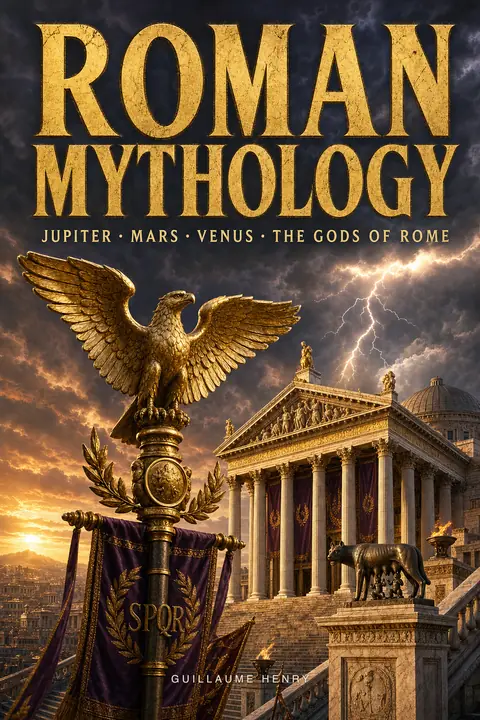
Roman
The Roman Mythology Book: Jupiter, Mars, Venus, the Aeneid, and the Sacred Stories That Built an Empire
$7.99
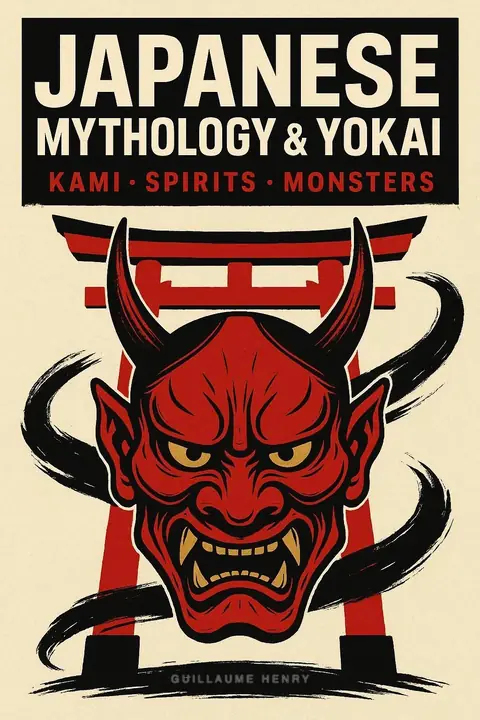
Japanese
The Japanese Mythology and Yokai Book: Amaterasu, Susanoo, Kami, and the Sacred Stories of Japan
$7.99

Hindu
The Hindu Mythology Book: Vishnu, Shiva, Brahma, the Mahabharata, and the Sacred Stories of India
$7.99