
Cross-cultural
Mythological Creatures
Creatures that appear across multiple mythologies — dragons in China and the West, sphinxes in Egypt and Greece, vampires across Eastern Europe and beyond. The world's great chimeras, gathered here.
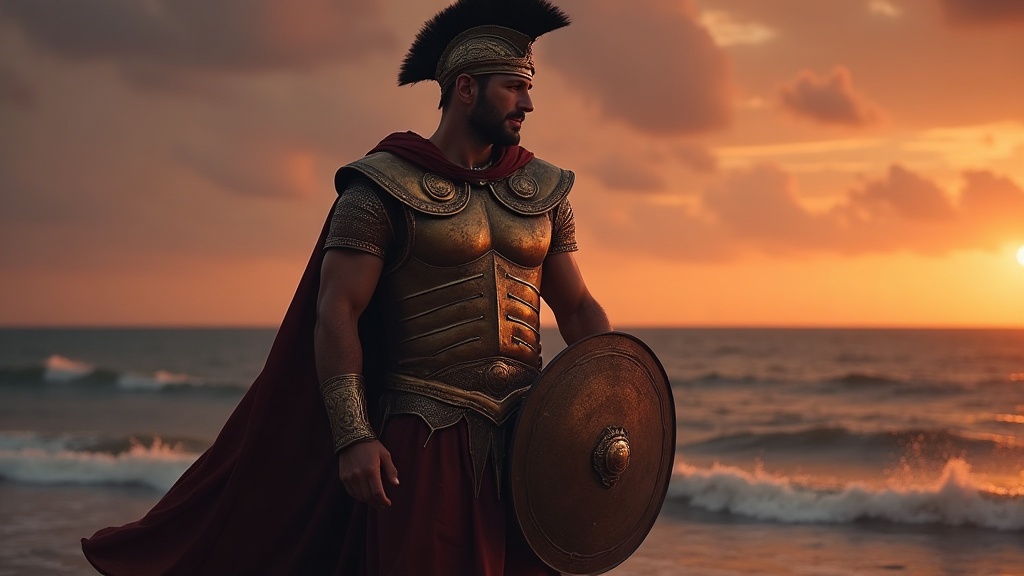
Achilles: Hero of the Trojan War, Mortal Flame, and Eternal Legend
Half-mortal, half-divine, and wholly consumed by glory: Achilles stands at the center of the Trojan War not as a simple warrior, but as a study in rage, grief, and what it costs a man to choose legend over life.
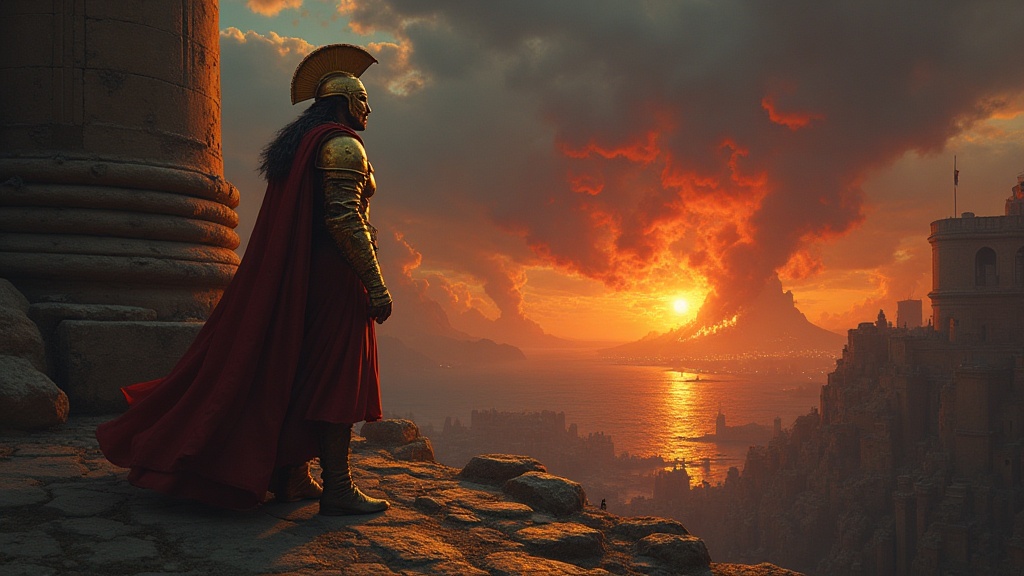
Agamemnon King of Mycenae: Warlord, Sacrifice, and the Curse That Consumed a Dynasty
Commander of a thousand ships, destroyer of Troy, and victim of his own bloodline's curse: Agamemnon remains the most conflicted figure in Greek heroic myth, a man whose power and pride bought him everything except survival.
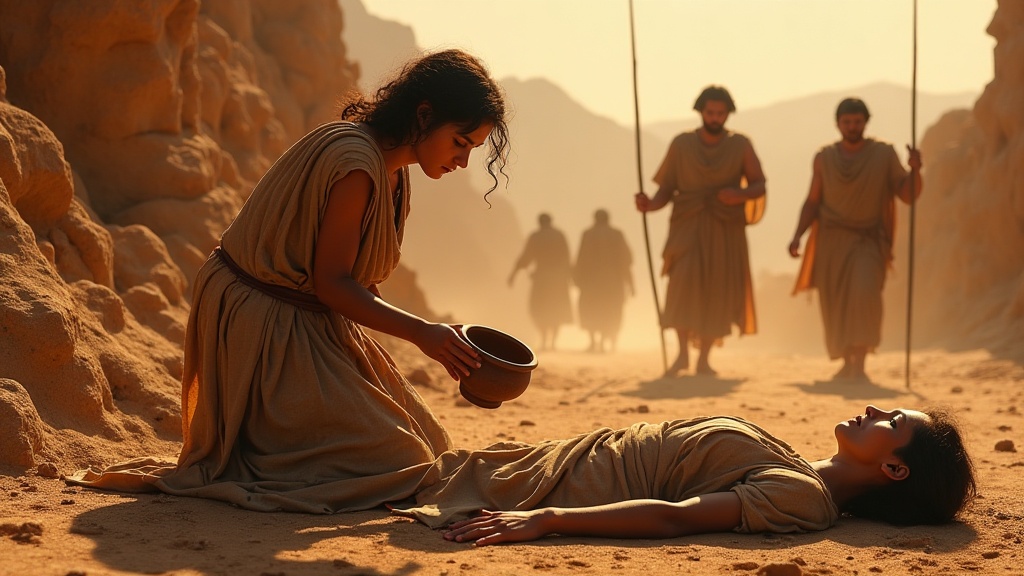
Antigone the Defiant Heroine: Myth, Tragedy, and the Unbreakable Law
Antigone buried her brother against the king's decree and chose death over silence. Her story, preserved in Sophocles' tragedy, remains the sharpest meditation on conscience, law, and the price of defiance in all of ancient literature.
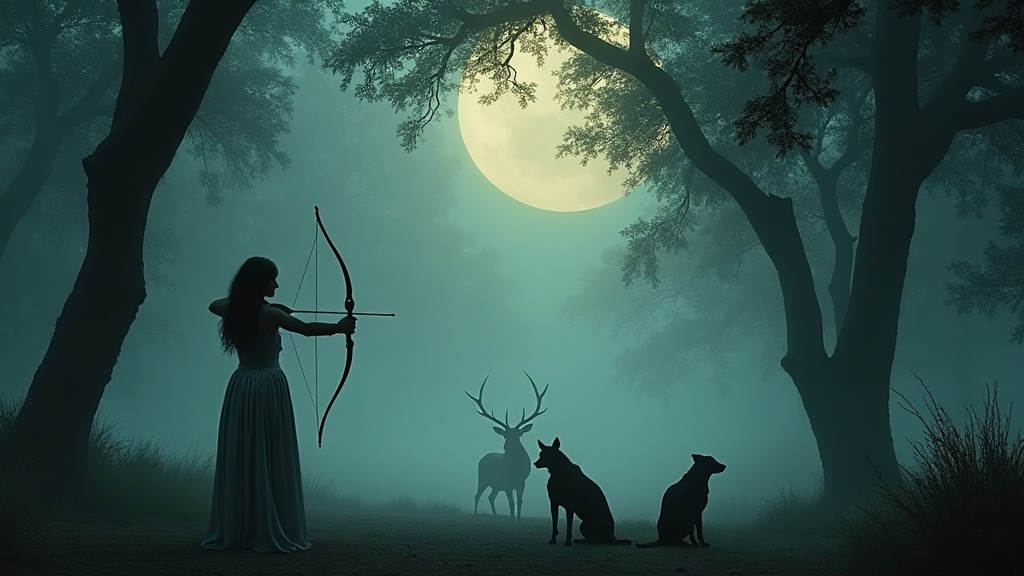
Artemis, Goddess of the Hunt: Archer, Moon, and Guardian of the Wild
Silver bow raised, hounds at her heels, Artemis ruled the wilderness long before cities had walls. Here is the full story of the Olympian huntress: her birth, her powers, her myths, and her enduring presence.

Atalanta the Swift Huntress: Myth, Character, and Legacy
Abandoned at birth, raised by a bear, and never outrun by a mortal man: Atalanta stands apart from every other figure in Greek myth, a huntress whose story cuts across heroism, desire, and divine punishment.
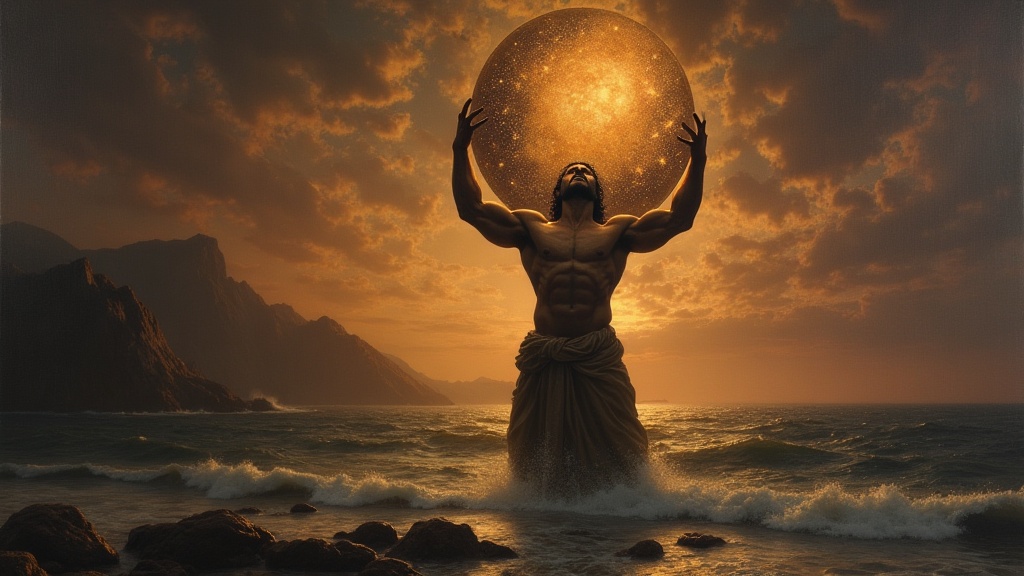
Atlas, Bearer of the Heavens: Titan, Cosmographer, and Eternal Sentinel
Atlas holds the sky not as punishment alone, but as cosmic necessity. Greek mythology's most iconic Titan carries a weight that shaped geography, astronomy, and the human imagination for three millennia.
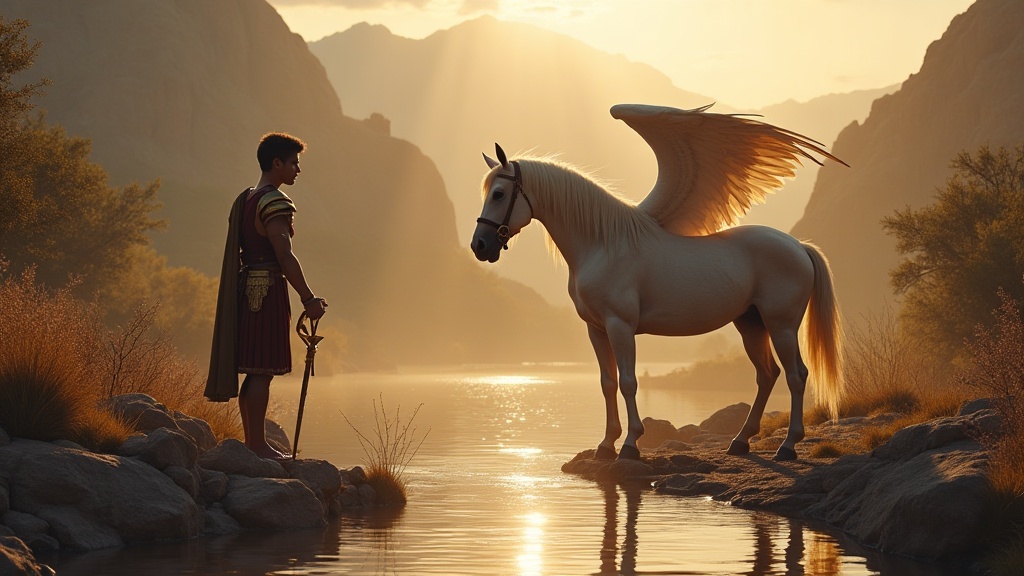
Bellerophon, Rider of Pegasus: Hubris, Glory, and the Fall from Heaven
Bellerophon tamed the winged horse Pegasus, slew the Chimera, and nearly reached Olympus itself. His story is Greek mythology's sharpest lesson in what happens when a mortal climbs too high.
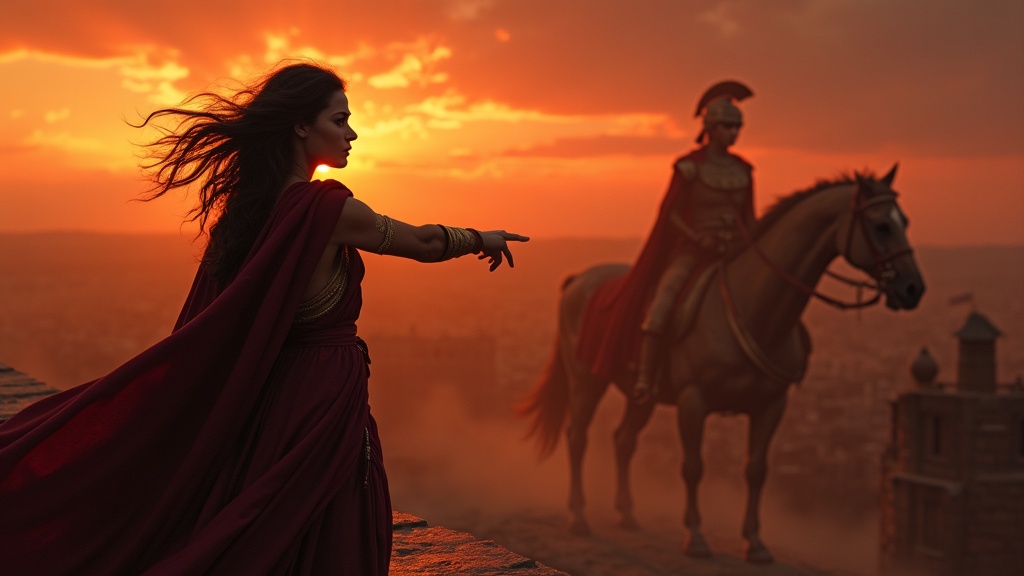
Cassandra the Cursed Prophetess: Truth, Silence, and the Burden of Foresight
Cassandra of Troy saw everything clearly and was believed by no one. Her story is not simply a tragedy of war - it is a precise anatomy of how truth gets silenced.

The Centaurs: Half Man, Half Horse - Origins, Myths, and Symbolism
Born of lust and cloud-illusion, the centaurs haunted Greek myth as living proof that civilization and savagery share the same body. Here is the full story, from Ixion's crime to Chiron's stars.
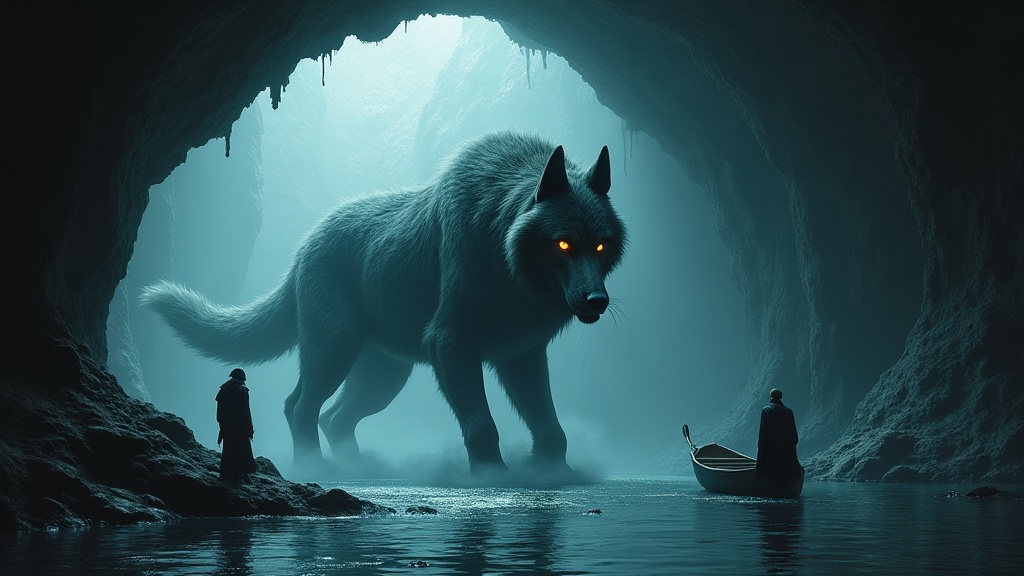
Cerberus the Three-Headed Hound: Guardian of the Greek Underworld
Born from monsters, set to guard the dead, Cerberus the three-headed hound stands at the threshold between the living and the forgotten. Here is every myth, every meaning, and every echo across world tradition.

Charon, Ferryman of the Dead: The Complete Guide to Greek Mythology's Most Relentless Guide
Charon poles his skiff across the Styx before every soul that dies. Who is he, where did he come from, and why does every great civilization seem to need a figure exactly like him?
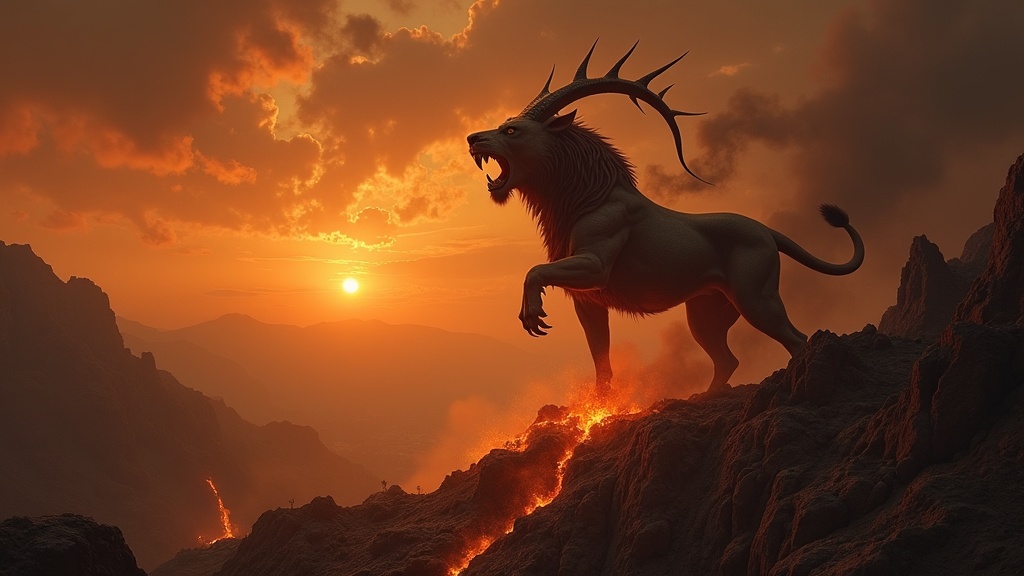
The Chimera: Fire-Breathing Monster of Greek Myth
Part lion, part goat, part serpent, the Chimera breathed fire and terrorized Lycia until Bellerophon rode Pegasus to slay it. Its myth runs deeper than monster-slaying: it maps the ancient Greek imagination of chaos, hybrid nature, and heroic order.
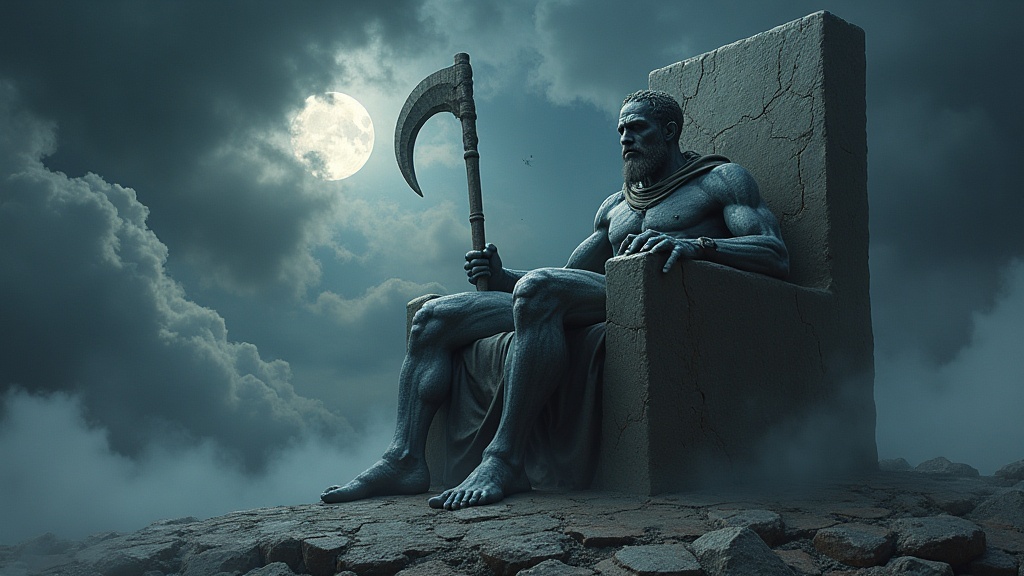
Cronus the Titan King: Ruler of the Golden Age, Devourer of His Children
Cronus ruled the cosmos before Zeus drew breath. His story moves from cosmic castration to golden utopia to a paranoid king swallowing his own heirs. Here is the full account.
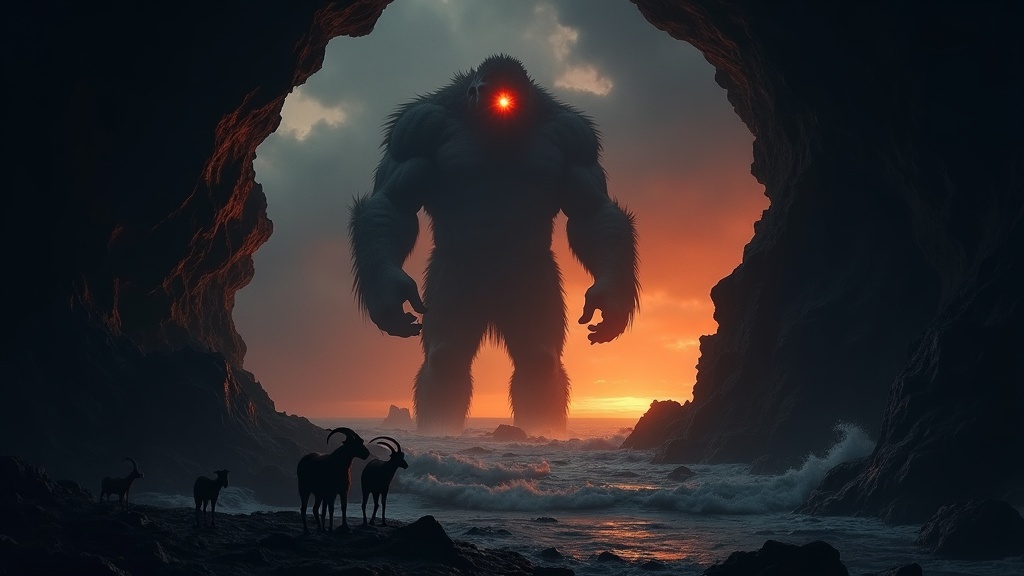
The Cyclops: One-Eyed Giants of Greek Myth and Their Hidden Meanings
From the forge-fires of Hephaestus to the cave of Polyphemus, the Cyclops were never simply monsters. They were gods' craftsmen, primordial forces, and mirrors of human fear.
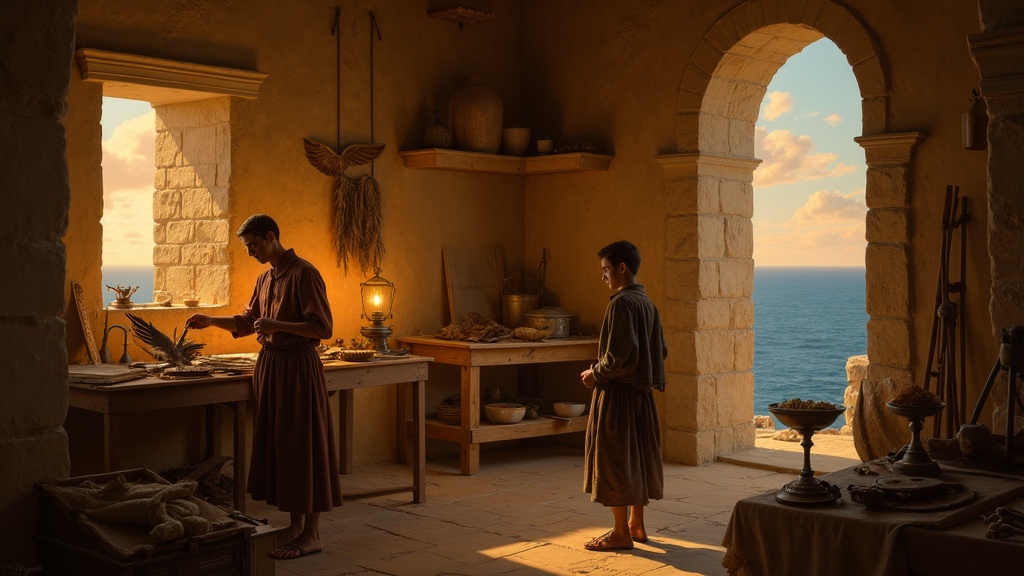
Daedalus the Master Craftsman: Architect, Inventor, and Tragic Father
Daedalus built the Labyrinth, gave wings to his son, and paid for his genius with exile and grief. His story is the oldest meditation on what human ingenuity costs.
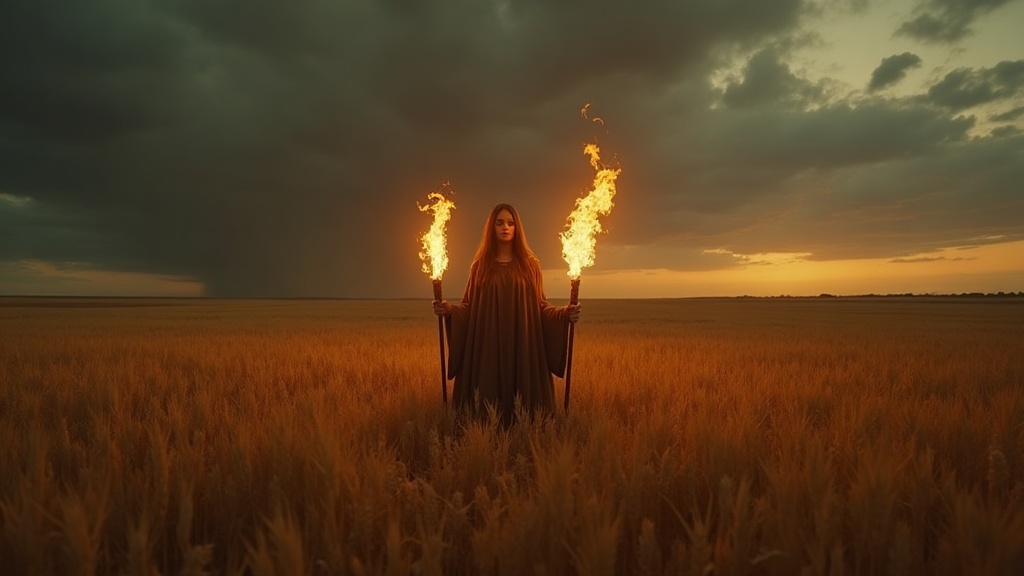
Demeter: Goddess of the Harvest, Grief, and the Turning of the Seasons
Demeter fed the ancient world and broke it when her daughter was taken. Meet the goddess whose grief invented winter and whose rites shook the foundations of Greek religion.

Dionysus, God of Wine: Ecstasy, Madness, and the Twice-Born God
Born twice, worshipped and feared across the ancient world, Dionysus reshaped Greek religion from the inside out. His cup held wine, yes, but also madness, liberation, and a theology that outlasted the Olympians.

Echidna, Mother of Monsters: The Half-Woman, the Half-Serpent, and Her Terrible Children
Half-woman, half-serpent, Echidna bore the most feared creatures in Greek myth. Her children remade the heroic age. Here is the full story of who she was, where she came from, and why she still haunts us.
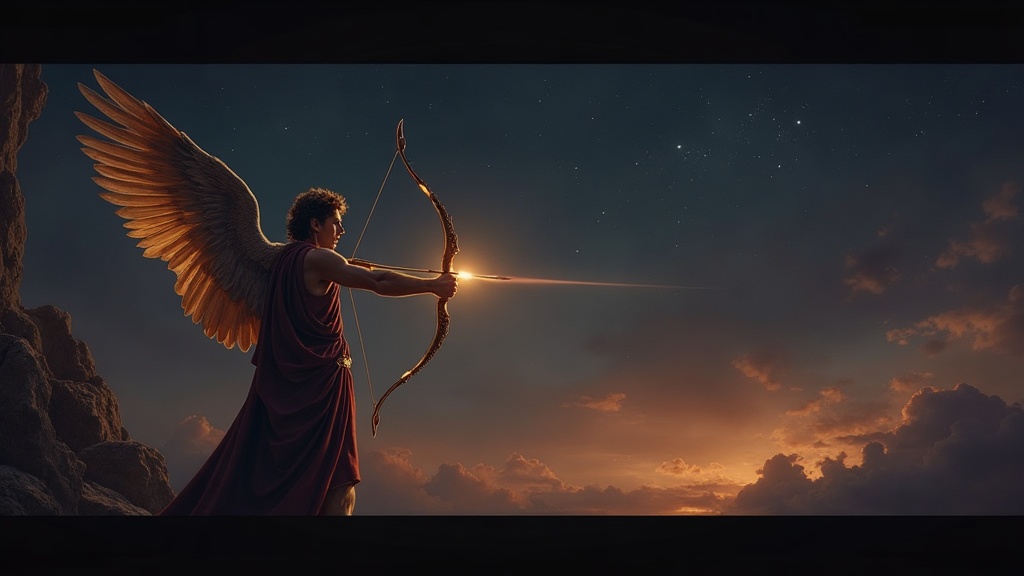
Eros, God of Desire: Myth, Power, and the Arrow That Shaped Olympus
Eros is far older and stranger than the chubby archer of Roman valentines. From Hesiod's primordial force to Homer's mischievous son of Aphrodite, the Greek god of desire reshaped the cosmos itself.

Gaia: The Primordial Earth Mother Who Dreamed the Gods into Being
Before Zeus claimed the sky and Poseidon the sea, Gaia rose from Chaos and became the ground of all existence. Her story spans creation, revolt, and prophecy - and it never truly ends.
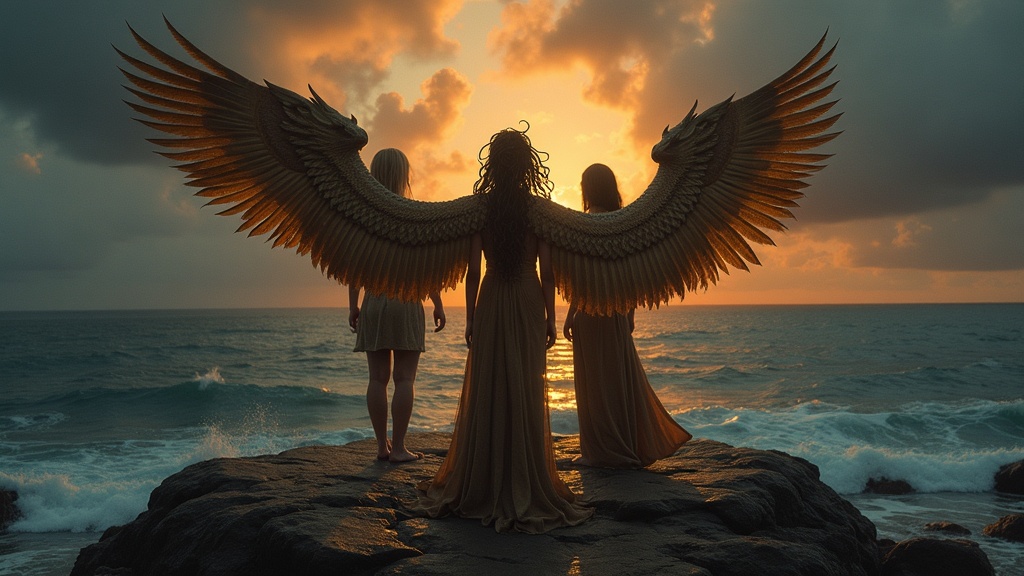
The Gorgons: Three Sisters at the Edge of the World
Stheno, Euryale, and Medusa: the Gorgon sisters who turned flesh to stone and haunted the Greek imagination from Hesiod to Hollywood. A deep study of their origins, symbolism, and every myth they inhabit.

The Harpies: Storm Spirits, Divine Punishers, and Daughters of the Wind
Half-woman, half-raptor, the Harpies were never simple monsters. They were storm made flesh: Greek mythology's most terrifying enforcers of divine will, snatching the guilty from the earth and leaving famine in their wake.

Hecate, Goddess of Magic: Crossroads, Torches, and the Triple Moon
Hecate rules where roads split, where the living brush against the dead, and where magic has always lived. A deep guide to her origins, symbols, cults, and enduring power across mythology and modernity.
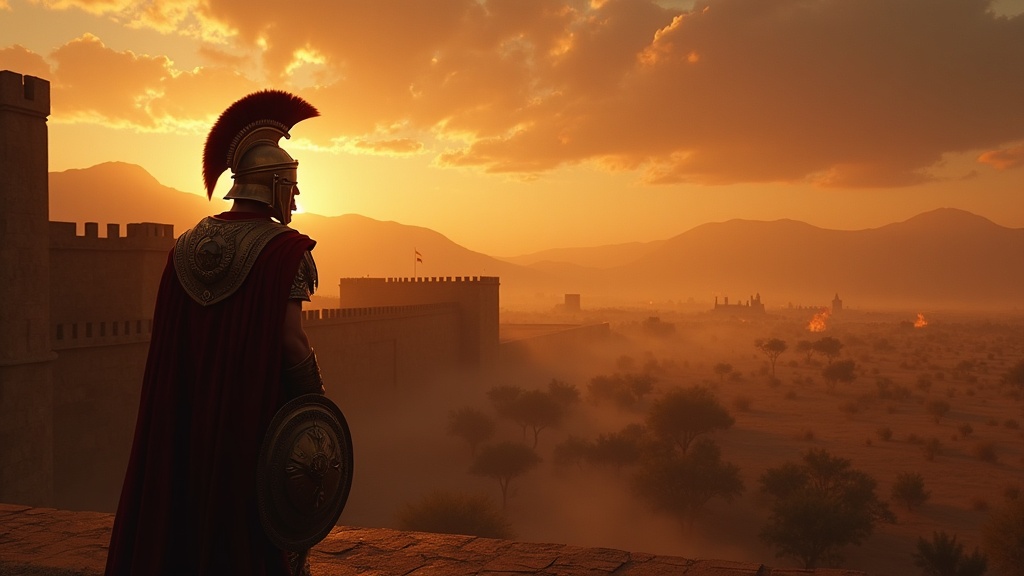
Hector Prince of Troy: Warrior, Father, and the Mortal Heart of the Iliad
Hector of Troy fights not for glory but for the people behind his city walls. A full portrait of the Iliad's greatest mortal, from his role in the war to his death at Achilles' hands.
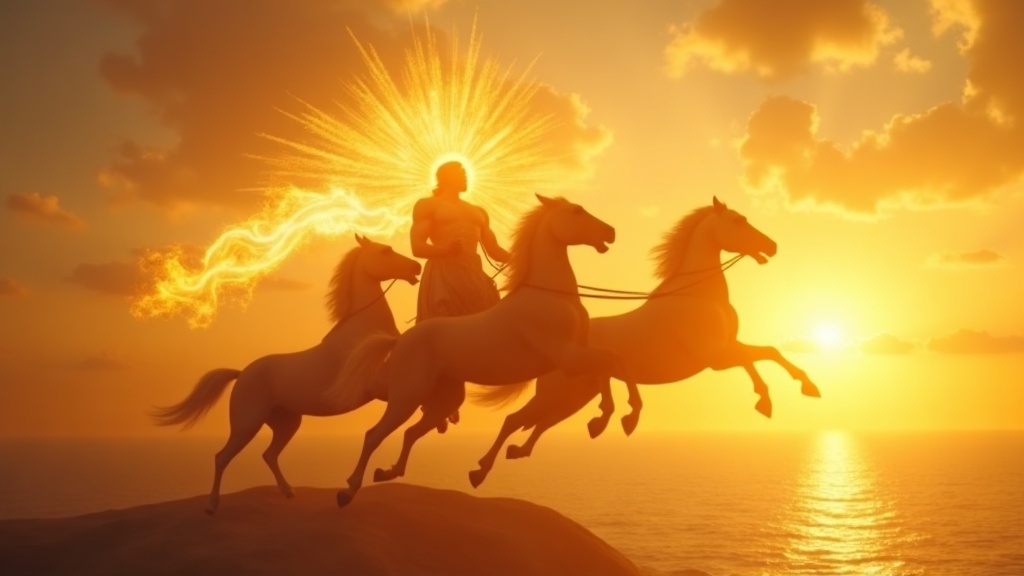
Helios the Sun Titan: Charioteer of the Sky, Keeper of Oaths, Witness of Gods
Helios drives his blazing chariot across the Greek sky every single day, watches every oath sworn under the open heavens, and fathers children who reshape the world. This is the full story of the sun god the Olympians never quite overshadowed.
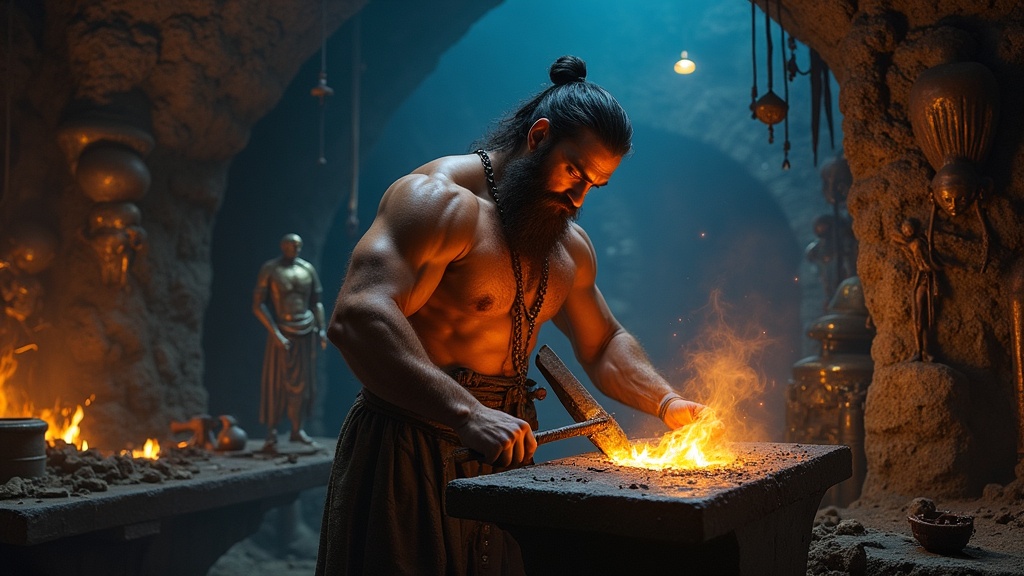
Hephaestus God of the Forge: Smith, Outcast, and Divine Architect of Olympus
Hephaestus built the palaces of Olympus, forged the armor of Achilles, and chained a Titan to a mountain. Yet the gods threw him from the sky. Here is the full story of the divine smith.
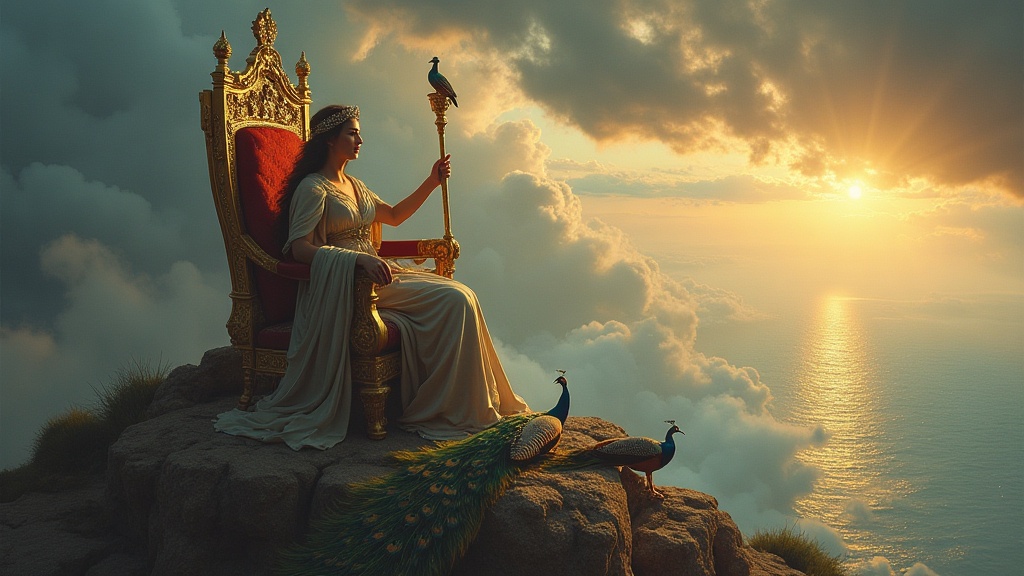
Hera, Queen of the Gods: Power, Jealousy, and the Crown of Olympus
Hera rules Olympus not as a passive consort but as a sovereign force shaping Greek myth from Troy to Heracles. Her story is about power, its limits, and what it costs to hold a crown.
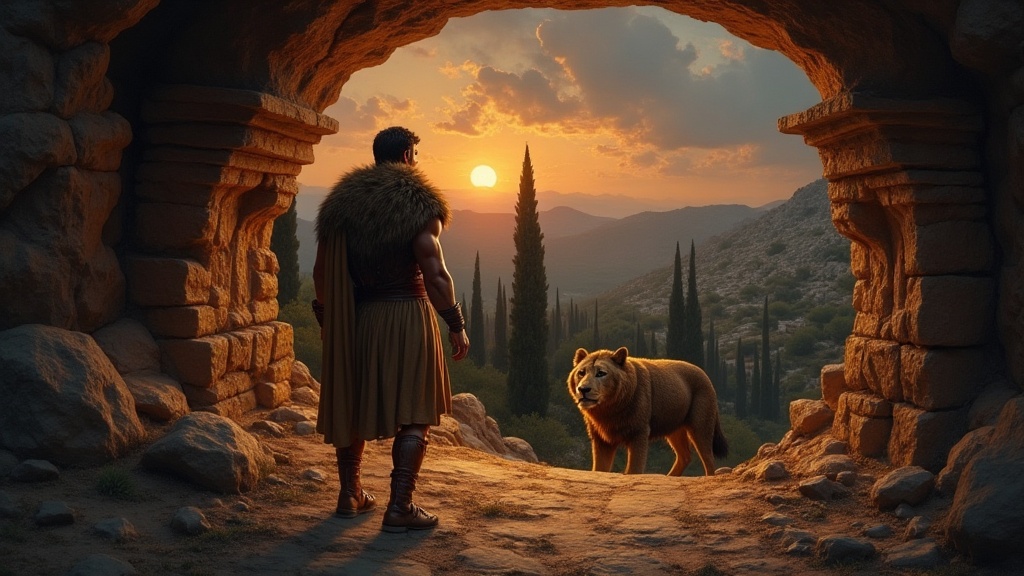
Heracles and the Twelve Labors: Myth, Meaning, and the Making of a Hero
Heracles was not born a hero. He was made one, labor by labor, through madness, exile, and inhuman endurance. This is the full story behind the myth that shaped Western civilization's idea of the hero.
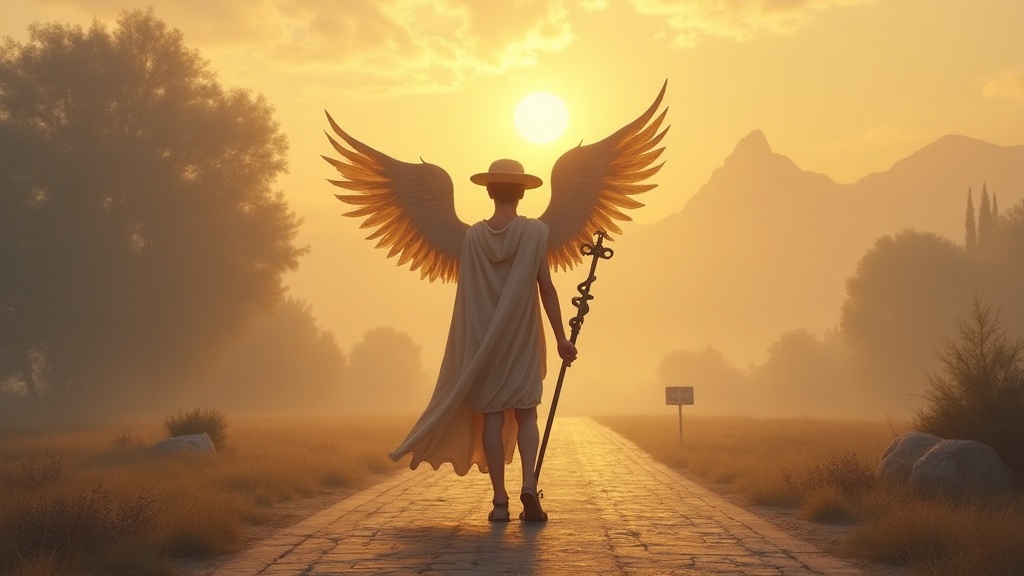
Hermes the Messenger God: Trickster, Psychopomp, and Thief of Heaven
Born before dawn and already a cattle thief by noon, Hermes ruled the crossroads between gods and mortals, life and death. A full portrait of the most restless figure in the Greek pantheon.
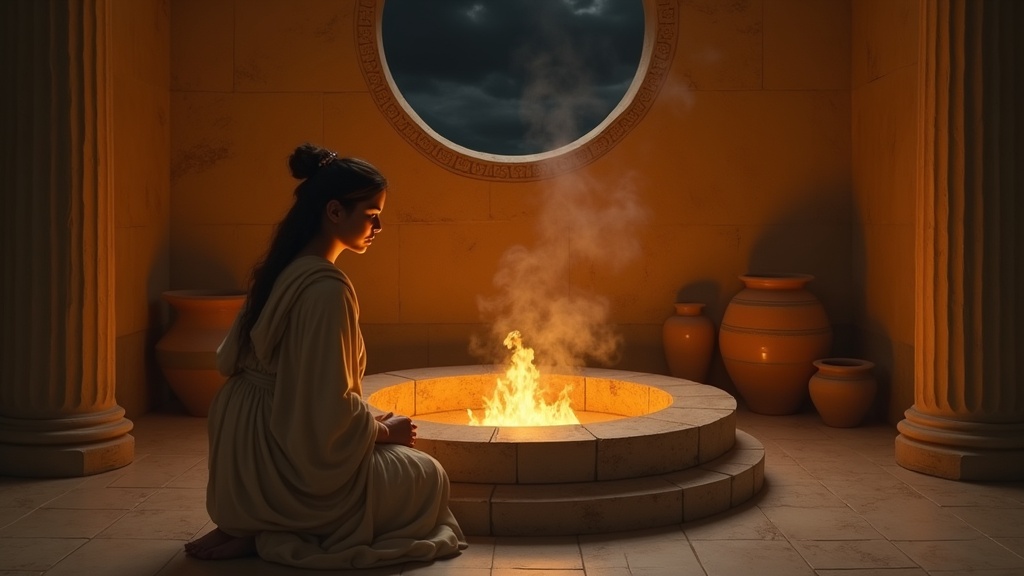
Hestia, Goddess of the Hearth: Fire, Silence, and the Sacred Center of Greek Life
Hestia was the first-born of the Olympians, keeper of the sacred flame that bound every Greek household and city to the cosmos. Her quiet power shaped daily life more profoundly than any battlefield deity.
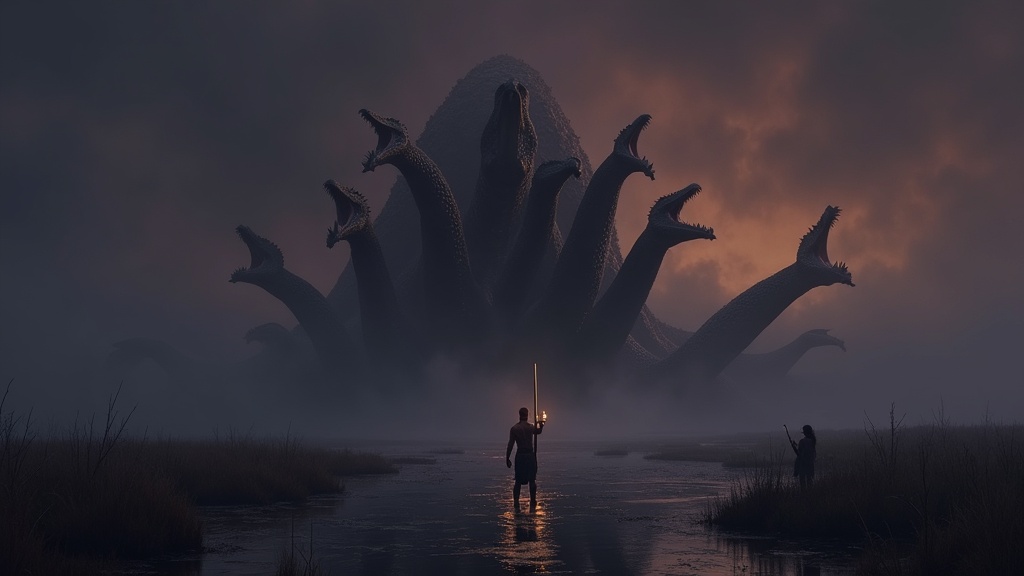
The Hydra of Lerna: Origin, Myth, Symbolism, and Enduring Legacy
Born from the oldest darkness of Greek myth, the Hydra of Lerna terrorised a marshland, regrew its heads, and forced Heracles to rethink what it means to fight a problem that multiplies when struck.

Hypnos, God of Sleep: The Silent Twin Who Ruled the Night
Hypnos, the Greek god of sleep, drifted unseen through mortal and divine alike, bending even Zeus to his will. Here is the full story: origins, myths, symbols, and his uncanny twin.

Icarus: The Boy Who Flew Too High
Icarus strapped on wings of feathers and wax and climbed toward the sun. His fall is not just a cautionary tale: it is one of antiquity's most layered meditations on desire, craft, and the cost of exceeding mortal limits.

Iris the Rainbow Messenger: Goddess, Symbol, and Bridge Between Worlds
Iris carried the will of the Olympians across sky and sea, her rainbow body stitching heaven to earth. Trace her origins, symbols, and enduring mythic power here.
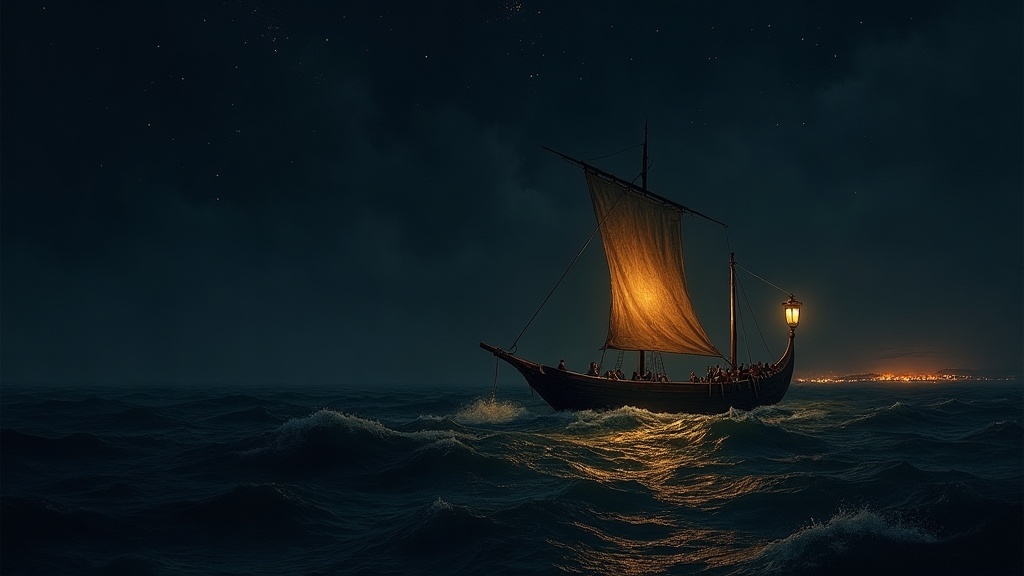
Jason and the Golden Fleece: The Full Myth, Its Heroes, and What the Quest Really Means
Jason's voyage to Colchis is more than a Greek adventure story. It is a collision of ambition, divine favour, betrayal, and magic that shaped Western mythology for three millennia.

The Muses: The Nine Goddesses of Inspiration in Greek Mythology
From Hesiod's mountaintop to Homer's opening invocation, the nine Muses shaped every art the ancient Greeks held sacred. Meet each goddess, her domain, and her enduring hold on creative imagination.
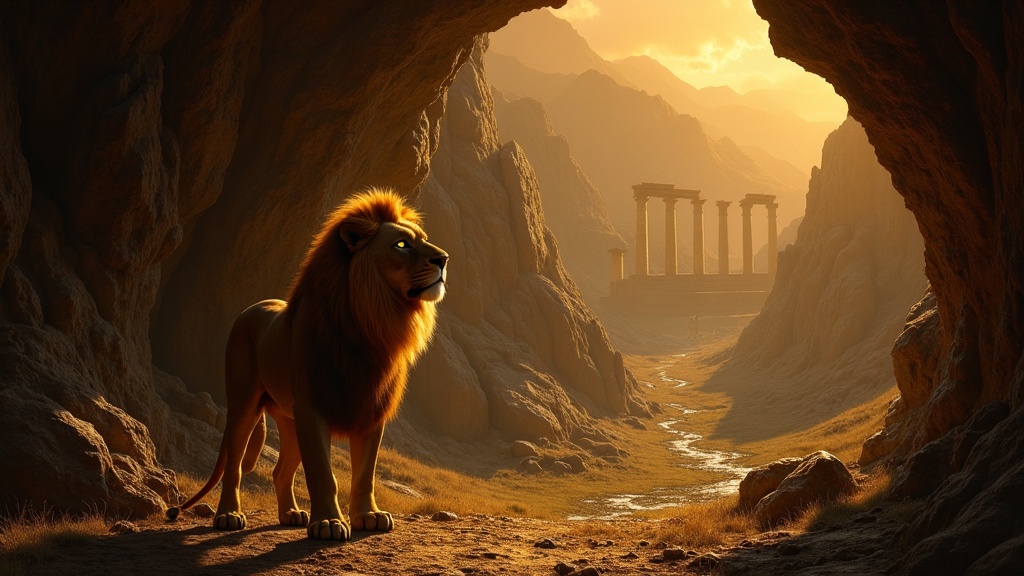
The Nemean Lion: Origin, Myth, and the Monster That Made Hercules
Born of divine monsters and gifted with impenetrable skin, the Nemean Lion terrorized an entire region before Hercules strangled it bare-handed. Here is every layer of that myth.

Nemesis: Goddess of Retribution, Balance, and Inevitable Reckoning
Nemesis was the Greek goddess who punished excess and arrogance, the divine force that cut mortals and gods alike back to size. Her story runs deeper than simple vengeance.
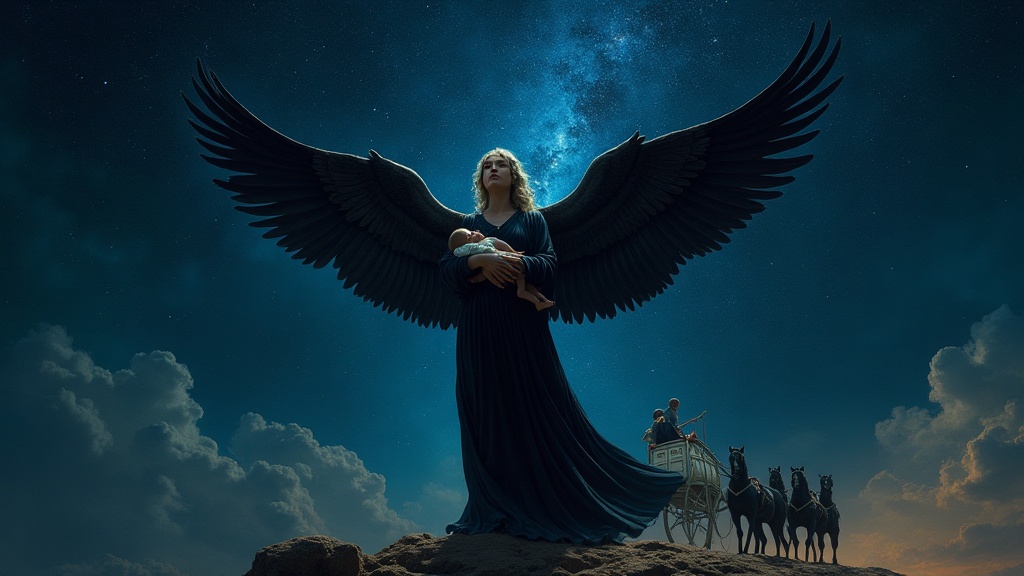
Nyx: The Primordial Night Who Frightened Zeus Himself
Before Olympus, before the Titans, there was Nyx. The Greek goddess of night was so ancient and so powerful that even Zeus stepped aside for her. Here is her full story.
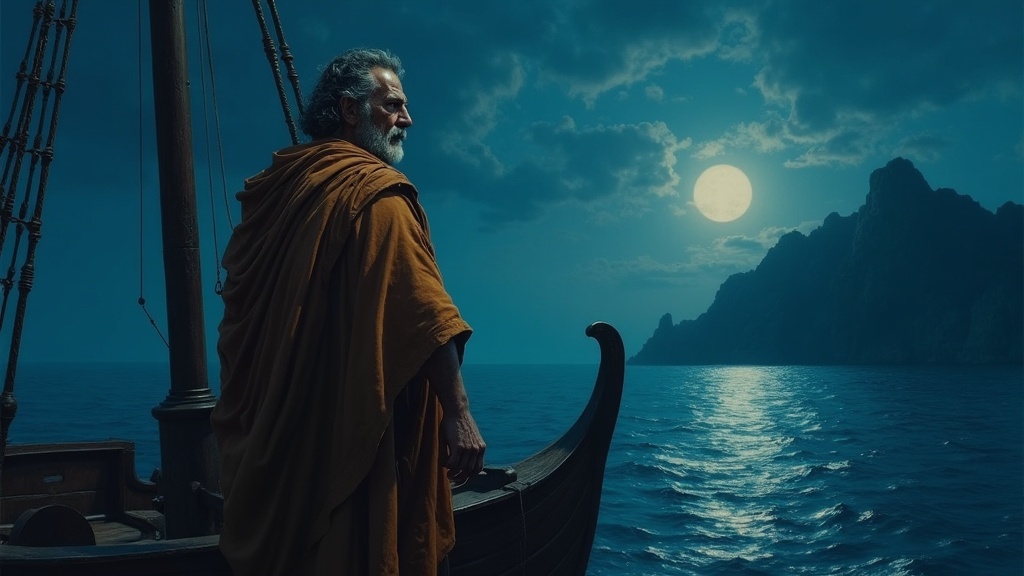
Odysseus: The Cunning King of Ithaca
Soldier, sailor, liar, husband, father. Odysseus defies every heroic archetype the ancient Greeks built - and then rebuilds it from scratch, one impossible obstacle at a time.
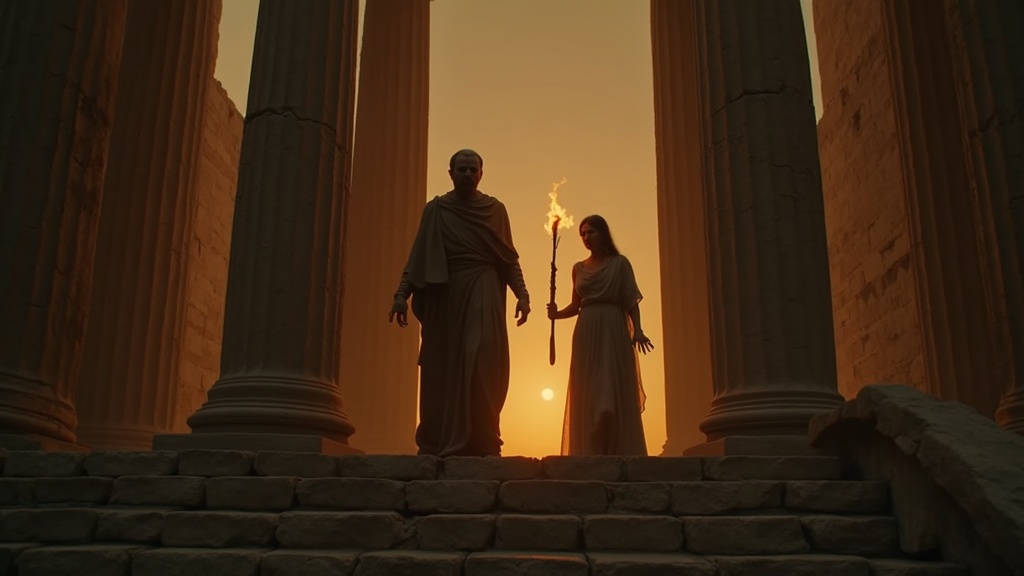
Oedipus the Tragic King: Fate, Hubris, and the Myth That Shaped Western Thought
Oedipus killed his father, married his mother, and blinded himself when the truth surfaced. His story is the most relentless examination of fate and free will ancient Greece ever produced.

Orpheus the Legendary Musician: Lyre, Loss, and the Limits of the Living
Orpheus could charm rivers into stillness and move stones to tears. His descent into the underworld for Eurydice remains one of myth's most shattering portraits of love, grief, and the one glance that destroys everything.

Pan, God of the Wild: Goat Legs, Panic, and the Music Between Worlds
Half goat, half god, wholly untameable. Pan ruled the Greek wilderness with a reed pipe and a shout that could scatter armies. Here is the full myth, from his strange birth to his enduring echo in modern imagination.

Paris and Helen of Troy: The Seduction, the War, and the Myth Behind the Myth
A stolen queen, a golden apple, and ten years of siege: the story of Paris and Helen of Troy reaches far deeper than romance, cutting to the heart of divine meddling, mortal vanity, and what the Greeks believed about fate.
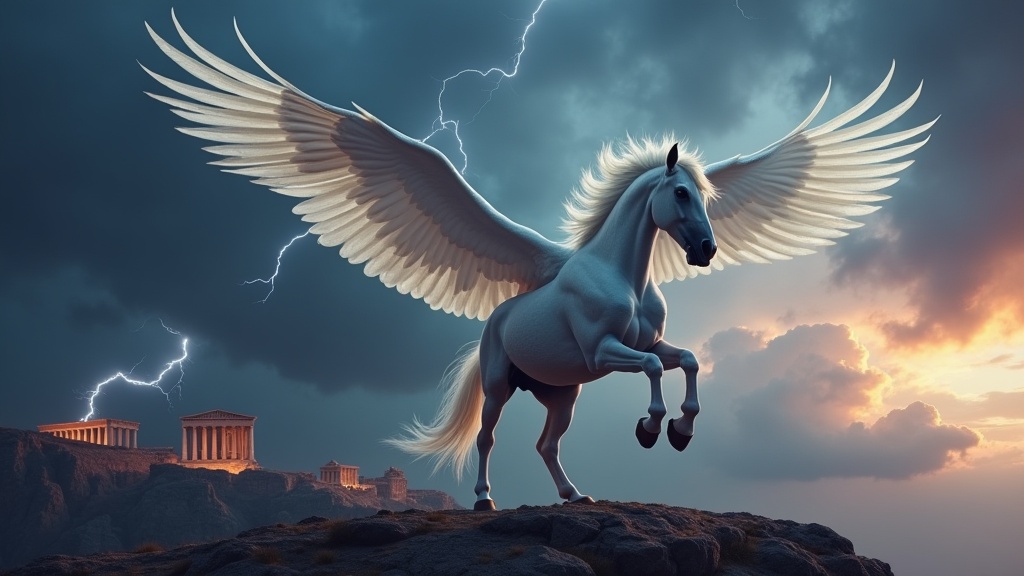
Pegasus the Winged Horse: Origin, Myths, Symbolism and Legacy
Born from Medusa's severed neck, Pegasus soared from the darkest moment in Greek myth to become poetry's own emblem. Here is every origin, every myth, every symbol unpacked.
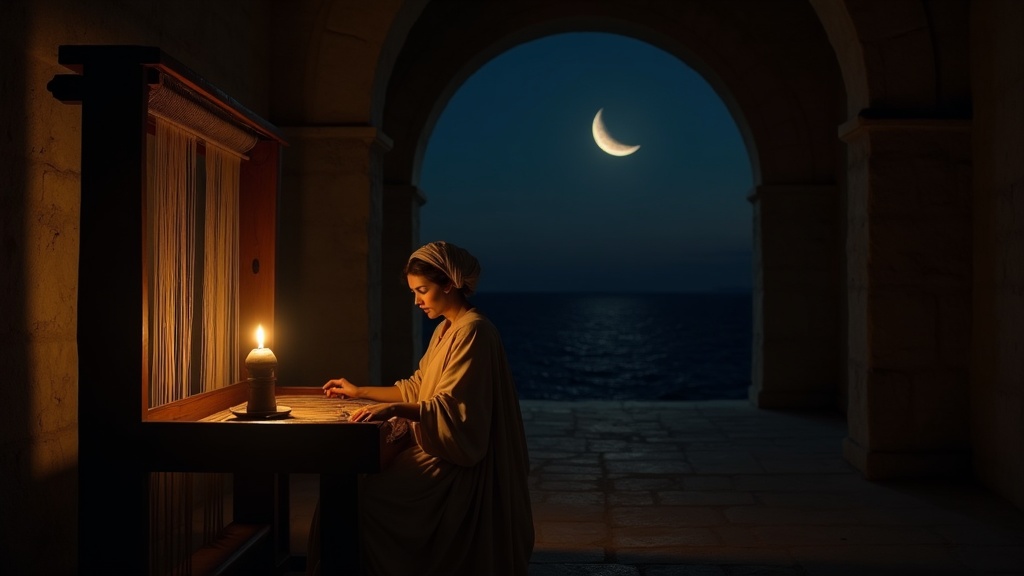
Penelope the Faithful Queen: Cunning, Grief, and the Long War at Home
Twenty years. A loom, a shroud, and a bow no suitor could draw. Penelope's story is not a footnote to Odysseus's voyage but a war of its own, fought with thread and silence.
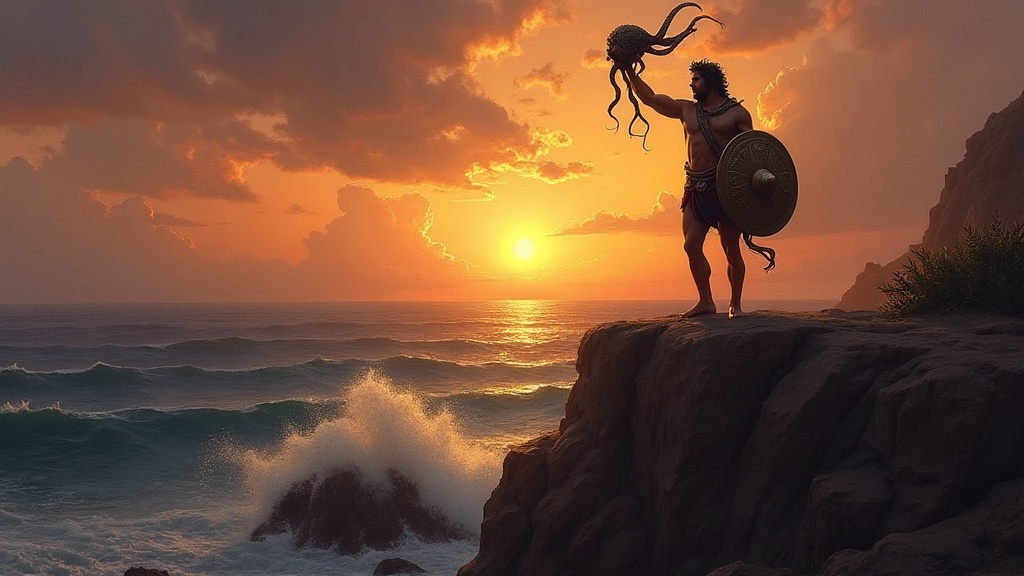
Perseus, Slayer of Medusa: Hero, Monster-Killer, and Bearer of the Gorgon's Head
Perseus killed Medusa with a borrowed sword and a mirrored shield, then flew across the ancient world carrying a head that turned men to stone. His story is Greek heroism at its most elemental.
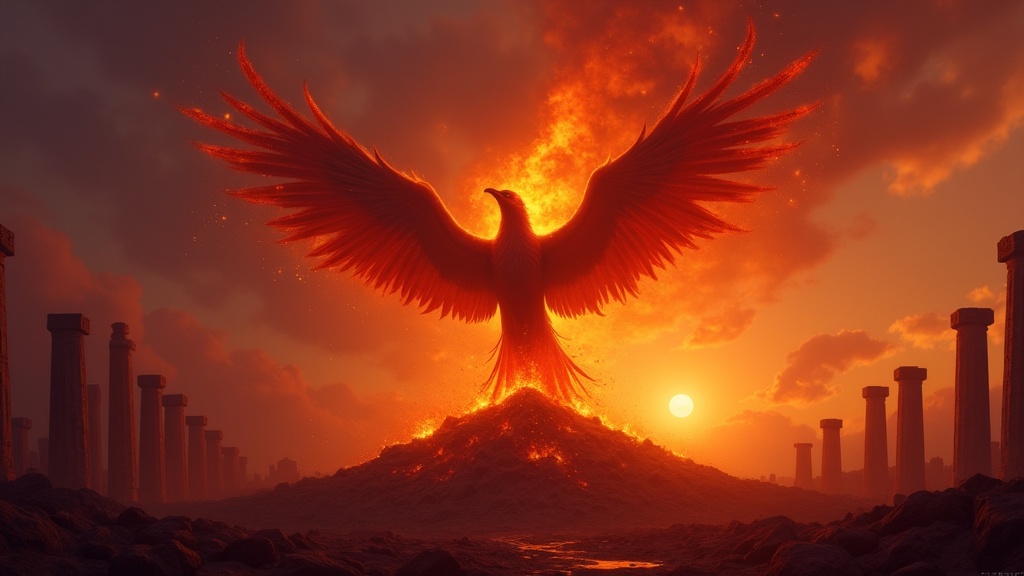
The Phoenix: The Immortal Firebird Across Civilizations
From Egyptian sun temples to Greek natural history and Chinese imperial courts, the Phoenix has burned and risen for three millennia. This is the full story of mythology's most enduring firebird.
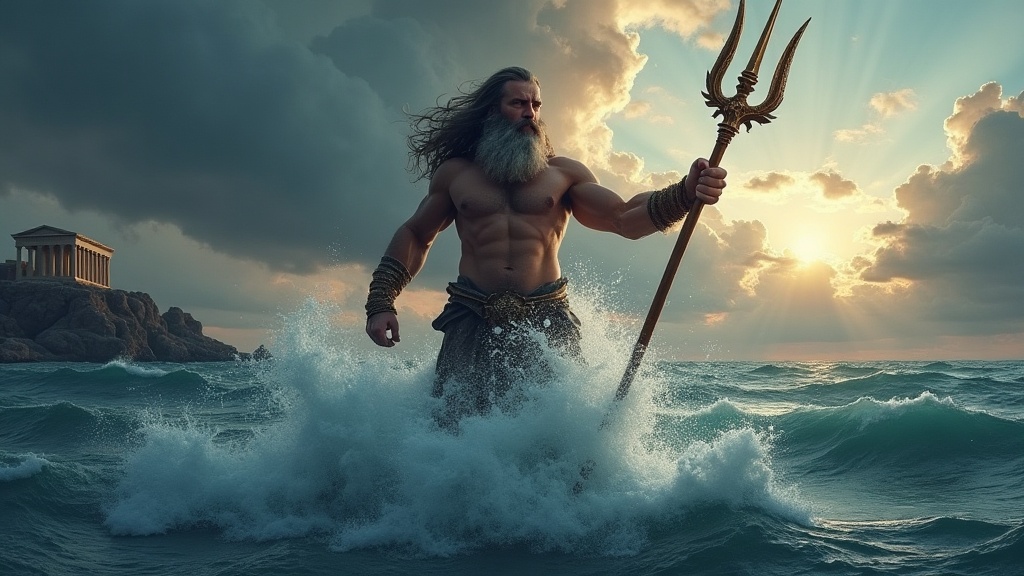
Poseidon, God of the Sea: Storms, Horses, and the Shaker of Earth
Poseidon ruled oceans, earthquakes, and horses with equal fury. From Homer's Iliad to the founding myths of Athens, meet the most volatile Olympian in the Greek pantheon.
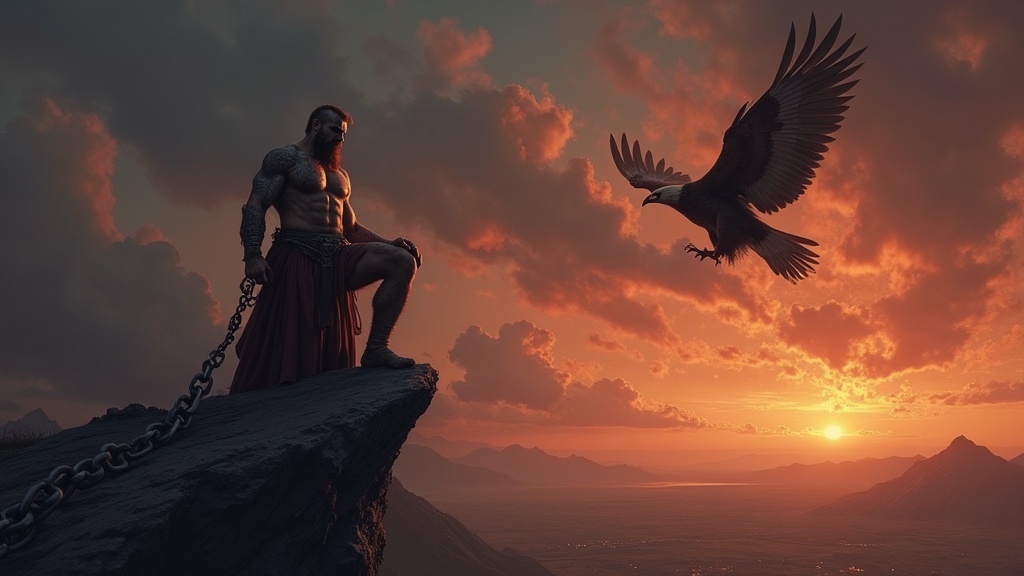
Prometheus the Fire Bringer: Titan, Trickster, and the Cost of Defiance
Prometheus stole fire from the gods and handed civilization to a shivering humanity. The myth of the fire bringer is a story about knowledge, punishment, and what it costs to defy the divine order.

Scylla and Charybdis: The Strait Monsters of Greek Myth
Between two cliffs in a narrow sea passage, Scylla seized sailors with six serpentine heads while Charybdis swallowed the ocean whole. Their myth is older, stranger, and richer than any summary admits.
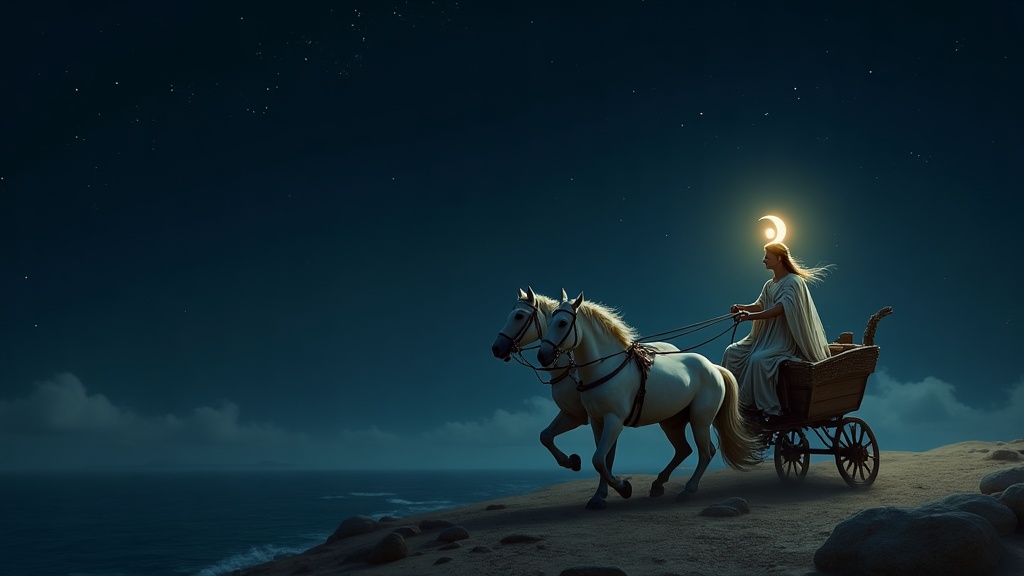
Selene: Goddess of the Moon, Keeper of Night's Light
Selene drove her silver chariot across the Greek sky every night, her crescent crown lighting the world below. She loved a sleeping mortal, carried fifty daughters by Zeus, and survived the rise of Artemis to remain the moon's oldest name.

The Sirens: Deadly Singers of Greek Mythology
Half-woman, half-bird, the Sirens lured sailors to their deaths with a song no mortal could resist. Their myth cuts deeper than seduction: it maps the ancient Greek terror of beauty that kills.
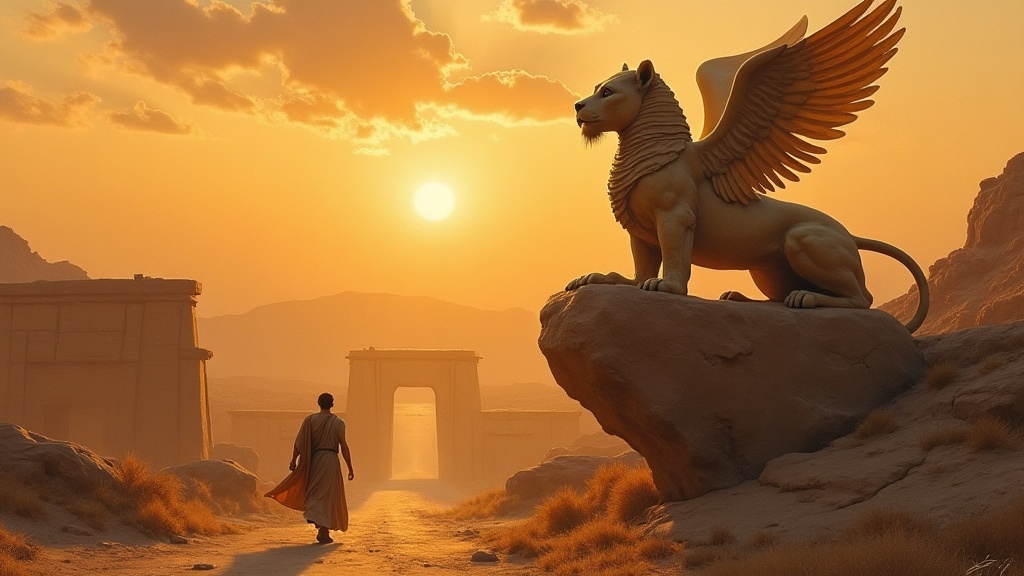
The Sphinx Riddle of Thebes: Origin, Myth, Symbolism, and Legacy
The Sphinx crouched at the gates of Thebes and devoured every traveler who failed her riddle. Here is everything ancient sources actually say about her origin, her question, and what she represents.

Talos the Bronze Giant: Myth, Meaning, and the First Robot of Ancient Greece
Talos, the bronze automaton who guarded Crete, was the ancient Greek imagination's most vivid answer to a timeless question: what happens when a god builds a man of metal?
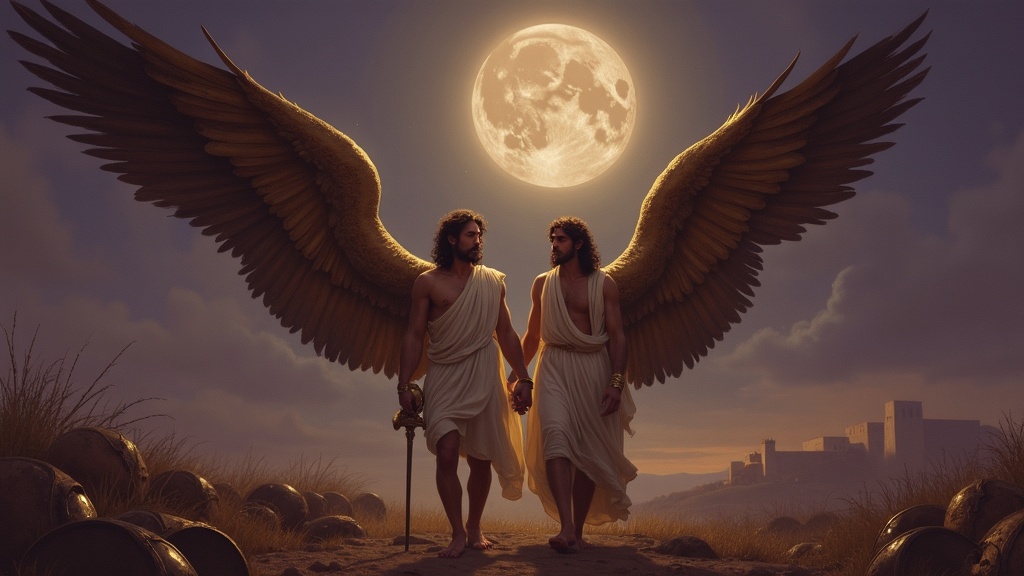
Thanatos, God of Death: The Gentle Reaper Greece Never Feared
Thanatos was not the monster Greek myth warned you about. He was the quiet twin, the bronze-winged figure who carried the dead to the underworld without violence or terror. Here is the full story.
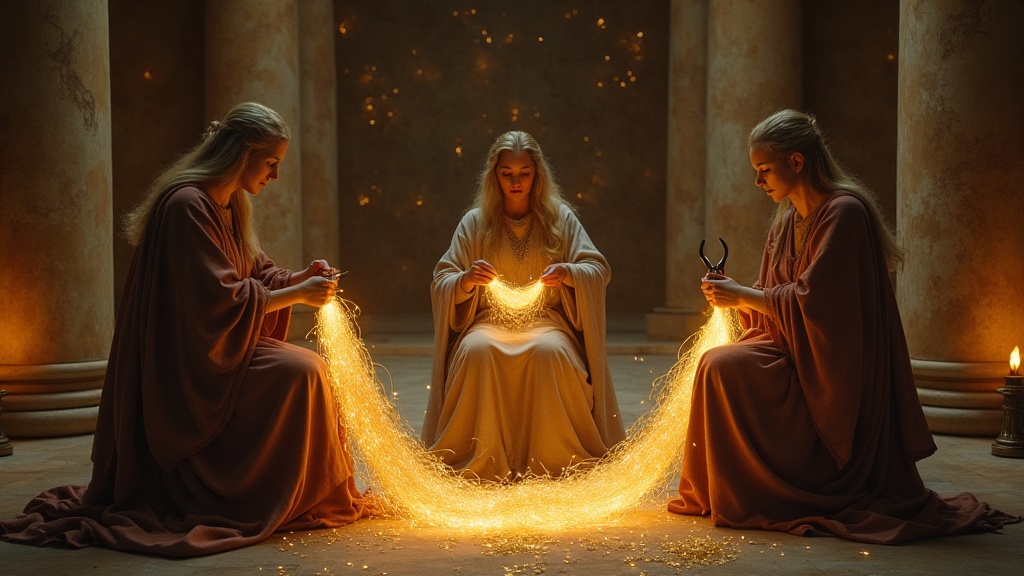
The Fates: The Moirai, Weavers of Destiny in Greek Mythology
The Moirai held every mortal and immortal life between their fingers. Here is what Greek mythology, Homer, and Hesiod actually say about the three Fates who spun, measured, and cut the thread of existence.
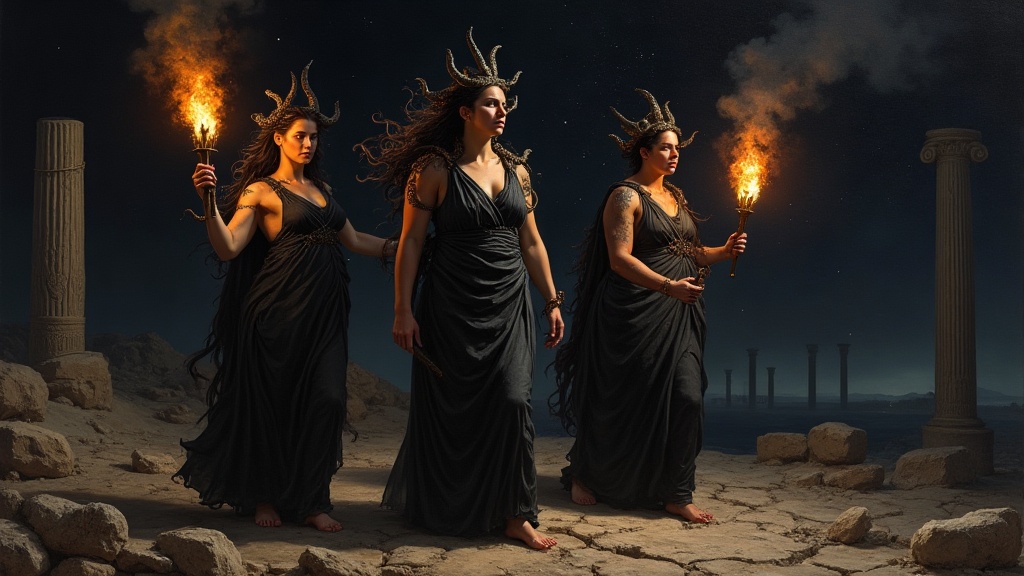
The Furies (Erinyes): Goddesses of Vengeance in Greek Myth
Born from the blood of a wounded god, the Erinyes hunted the guilty without mercy or remorse. Here is the full story of antiquity's most feared divine prosecutors.
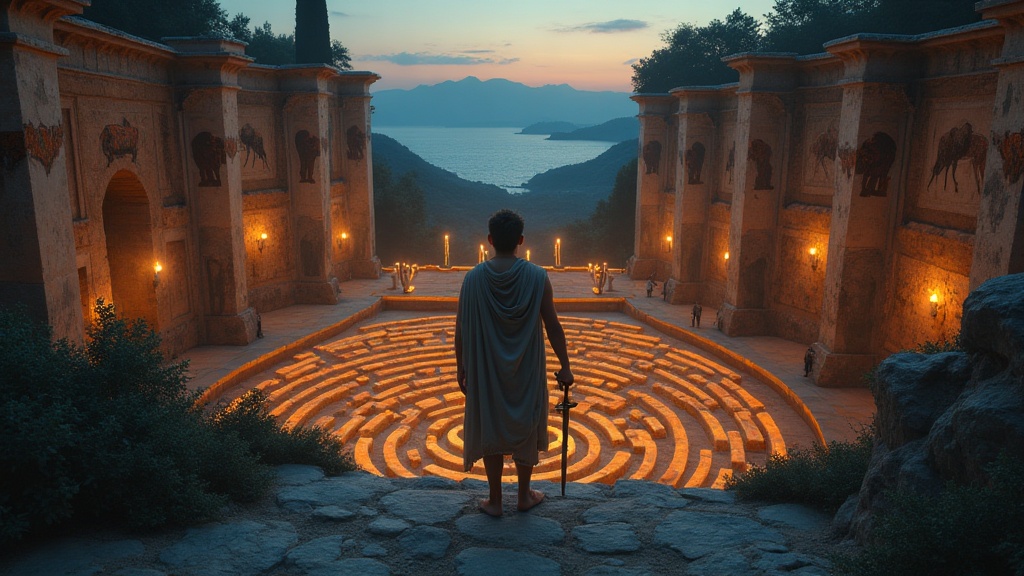
Theseus and the Minotaur: The Hero Who Built Athens
Theseus killed the Minotaur, escaped the Labyrinth, and returned to forge the city-state of Athens. His myth is a masterclass in the price of heroism and the burdens of founding a civilization.
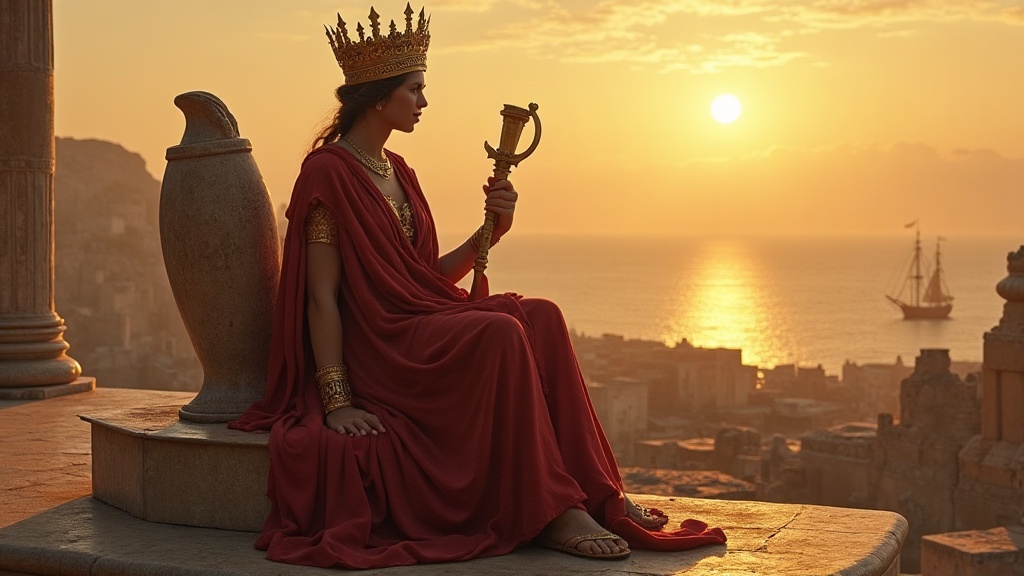
Tyche, Goddess of Fortune: Luck, Fate, and the Spinning Wheel of Greek Myth
Tyche held every city's fate in her hands and a rudder she could turn without warning. Meet the Greek goddess of fortune whose blind generosity terrified rulers and poets alike.
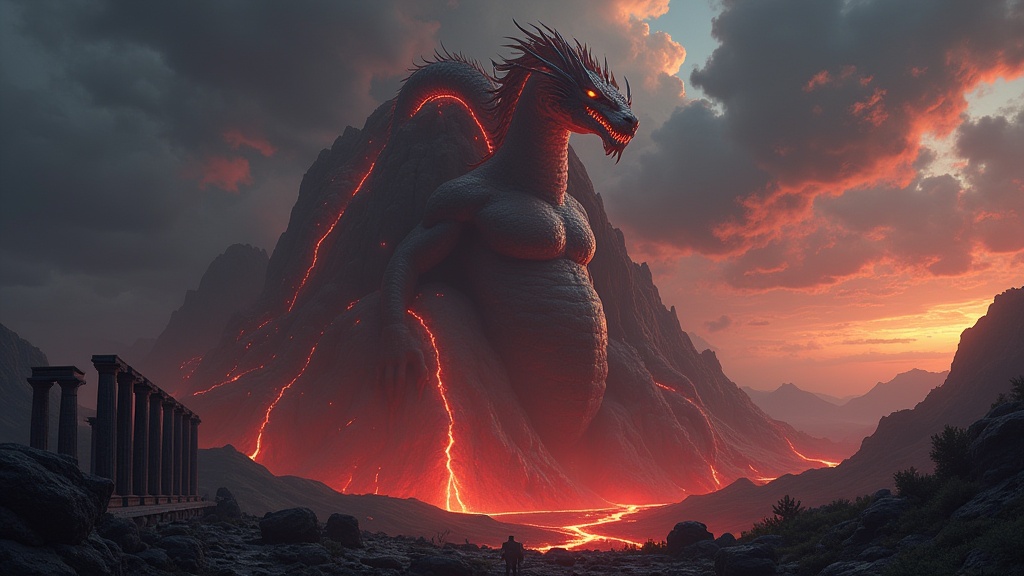
Typhon, Father of Monsters: Origin, Myths, and Monstrous Offspring
Typhon was the last great challenge to Zeus and the progenitor of nearly every monster in Greek myth. His story reveals what ancient Greeks feared most: chaos that could swallow the sky itself.
Mythology
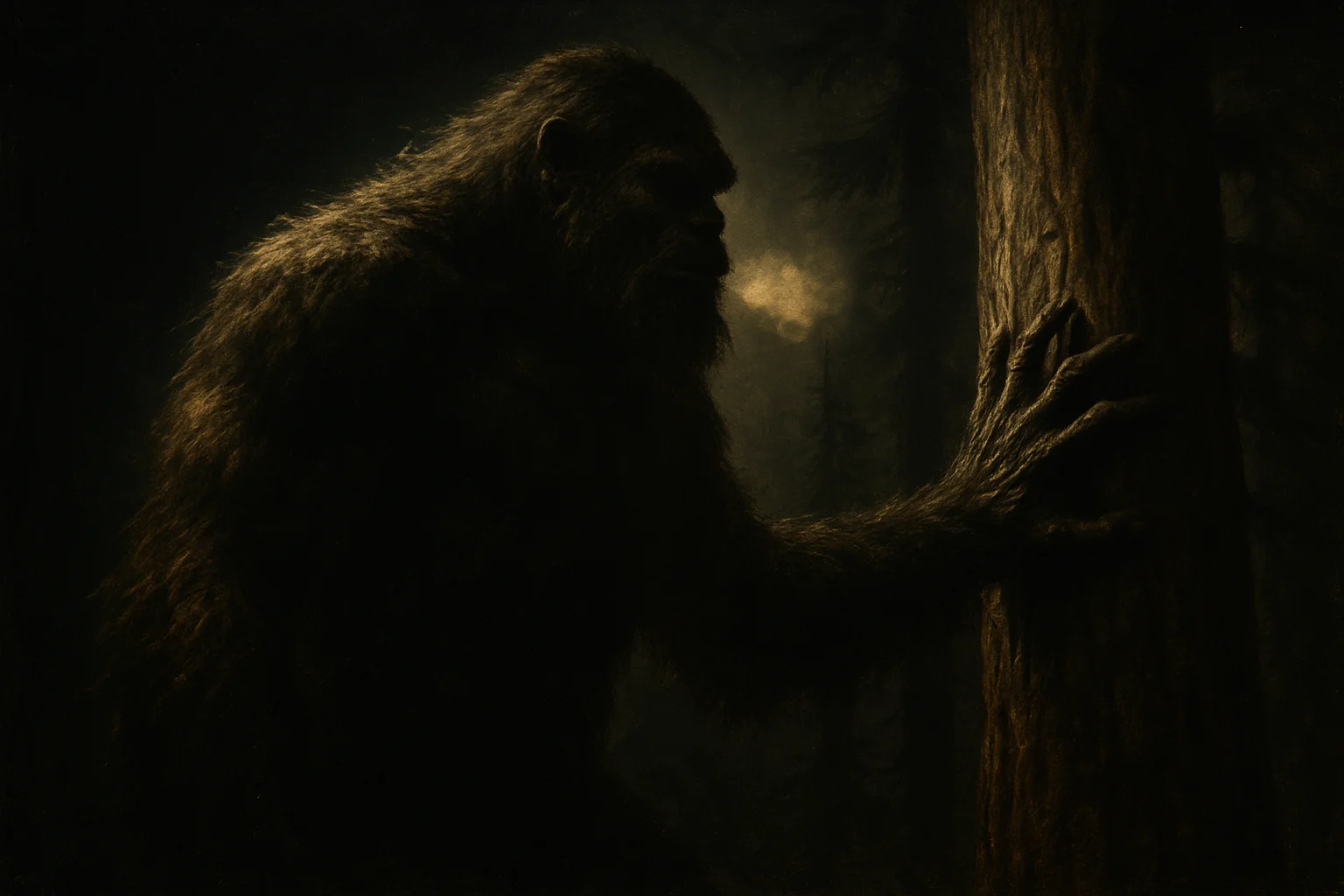
Bigfoot and Sasquatch in Mythology
Bigfoot and Sasquatch draw on distinct Indigenous traditions: Salish Sasq'ets, Algonquian Witiko, and others. Separate myth from modern hoax.
Mythology
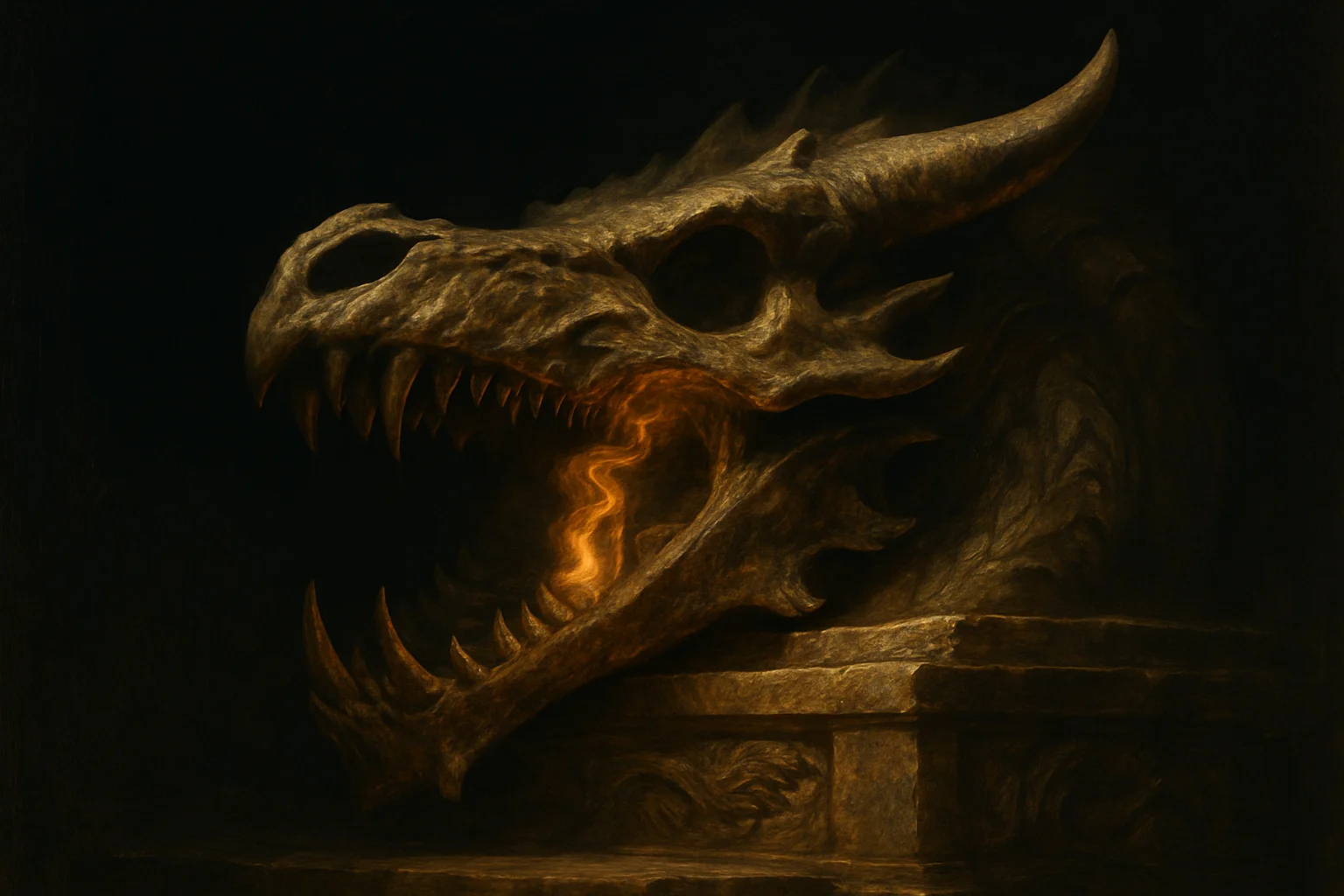
Dragon in Mythology
Dragons appear across cultures but differ wildly. Greek drakōn, Norse lindworm, Chinese lóng: primary sources reveal when wings and fire entered the canon.
Mythology
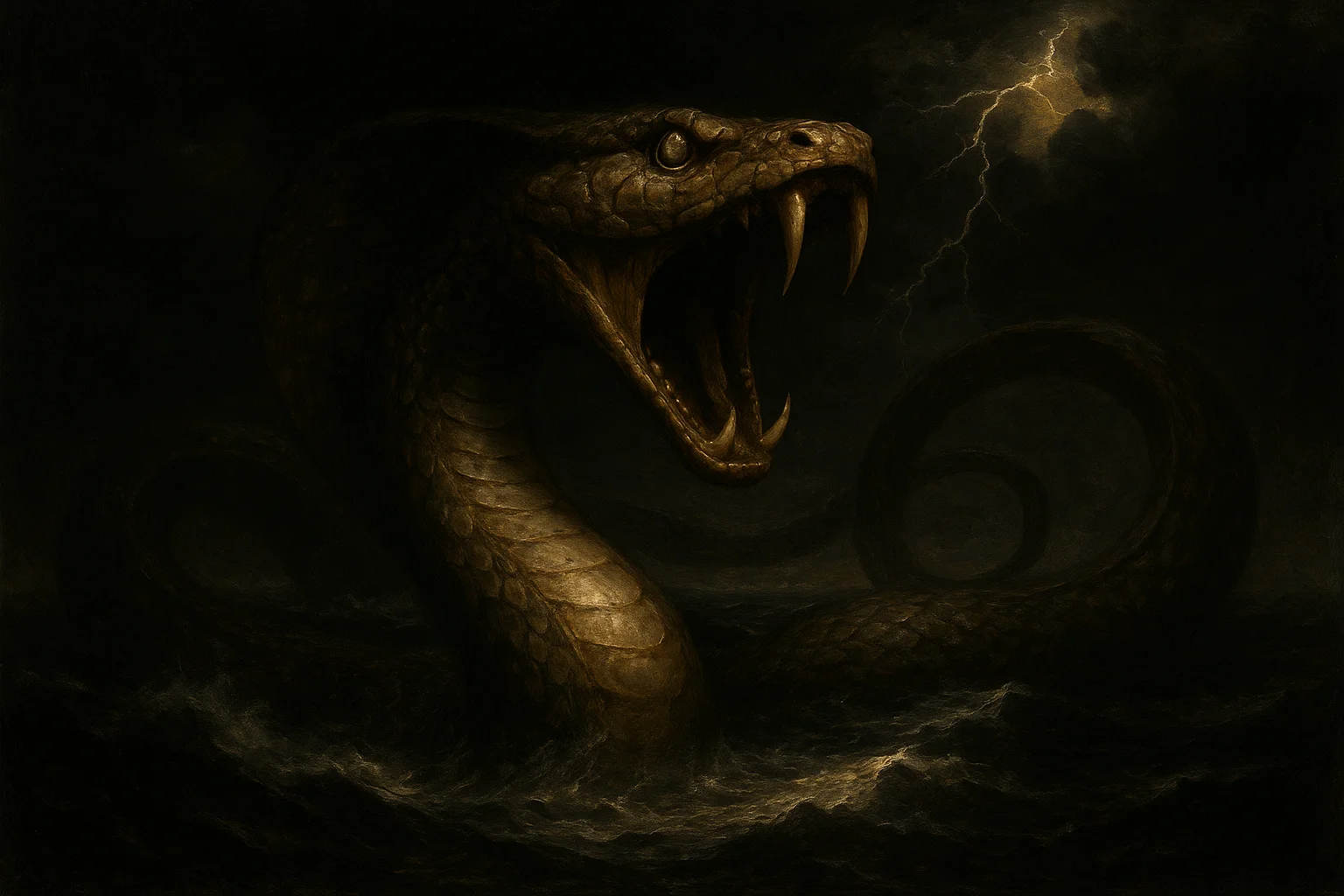
Jörmungandr: The Midgard Serpent
The world serpent who encircles Midgard, son of Loki, fated to kill and be killed by Thor at Ragnarök. What the Eddas actually say.
Mythology
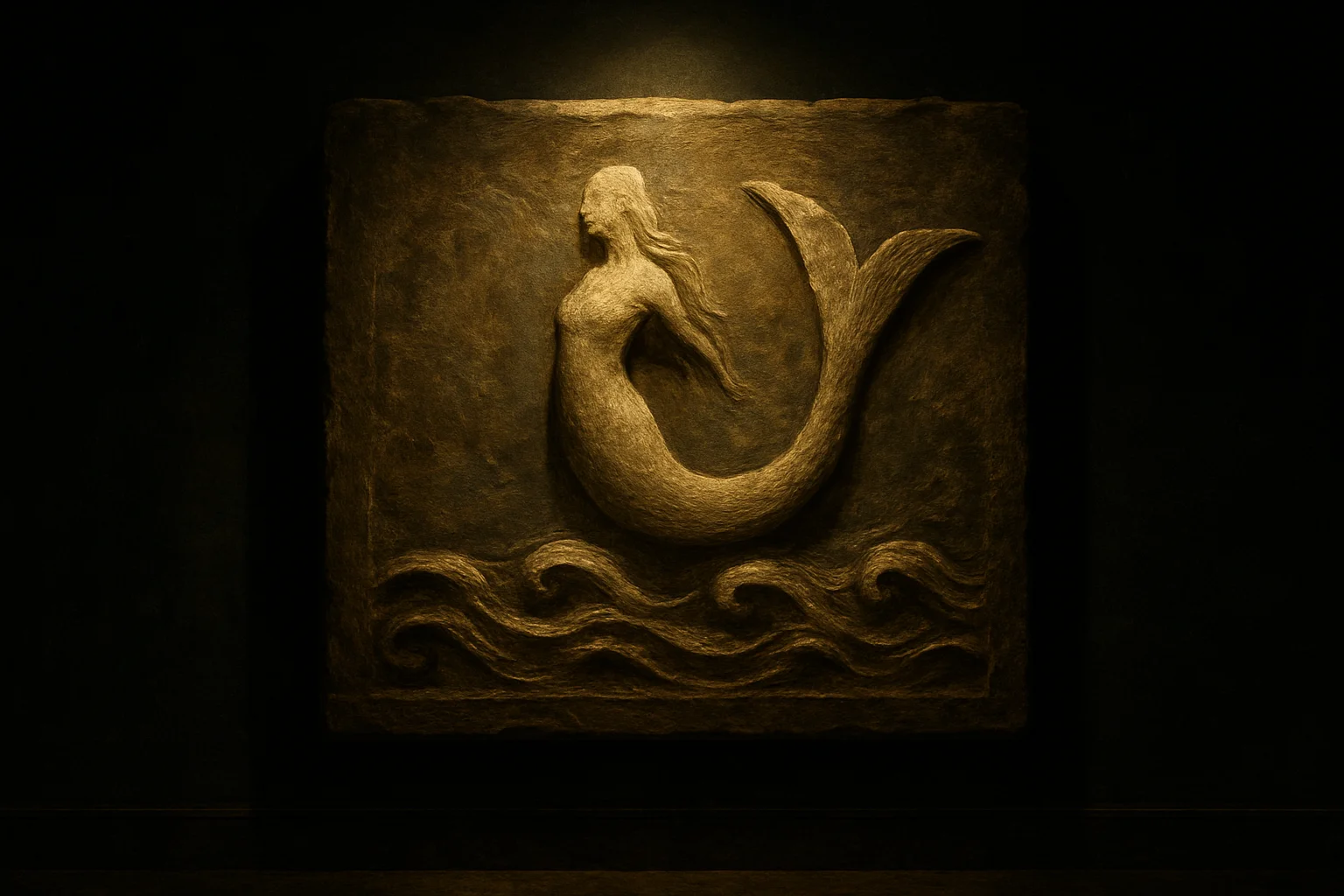
Mermaid in Mythology: Their History and Their Songs
Mermaids, sirens, and fish-tailed spirits across cultures. From Greek bird-women to European ballads, West African Mami Wata, and Japanese ningyo.
Mythology
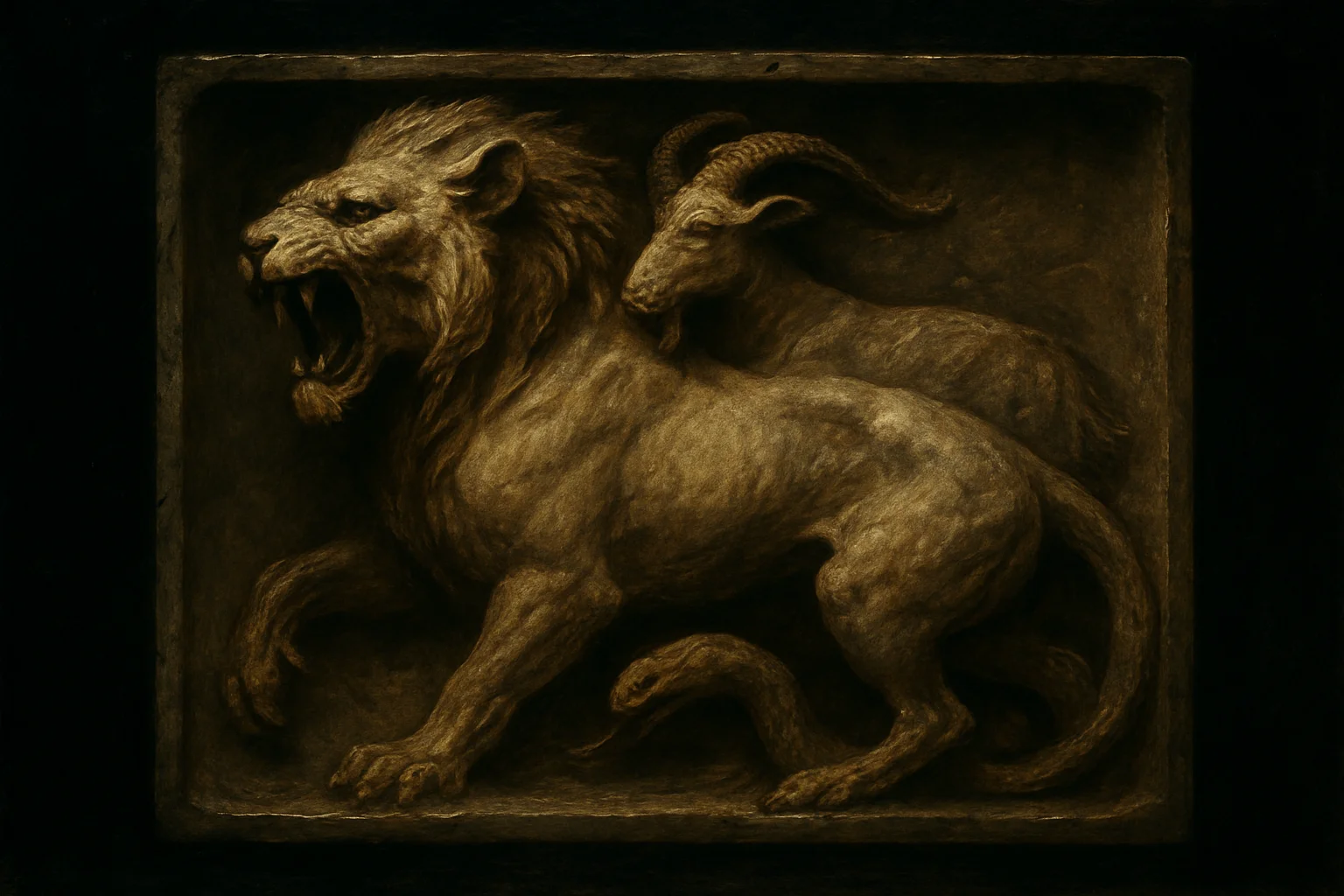
70 Fantastic Creatures from Mythology
From dragons to sphinxes, explore 70 mythological creatures organized by role and tradition, with primary sources and cross-cultural patterns.
Mythology
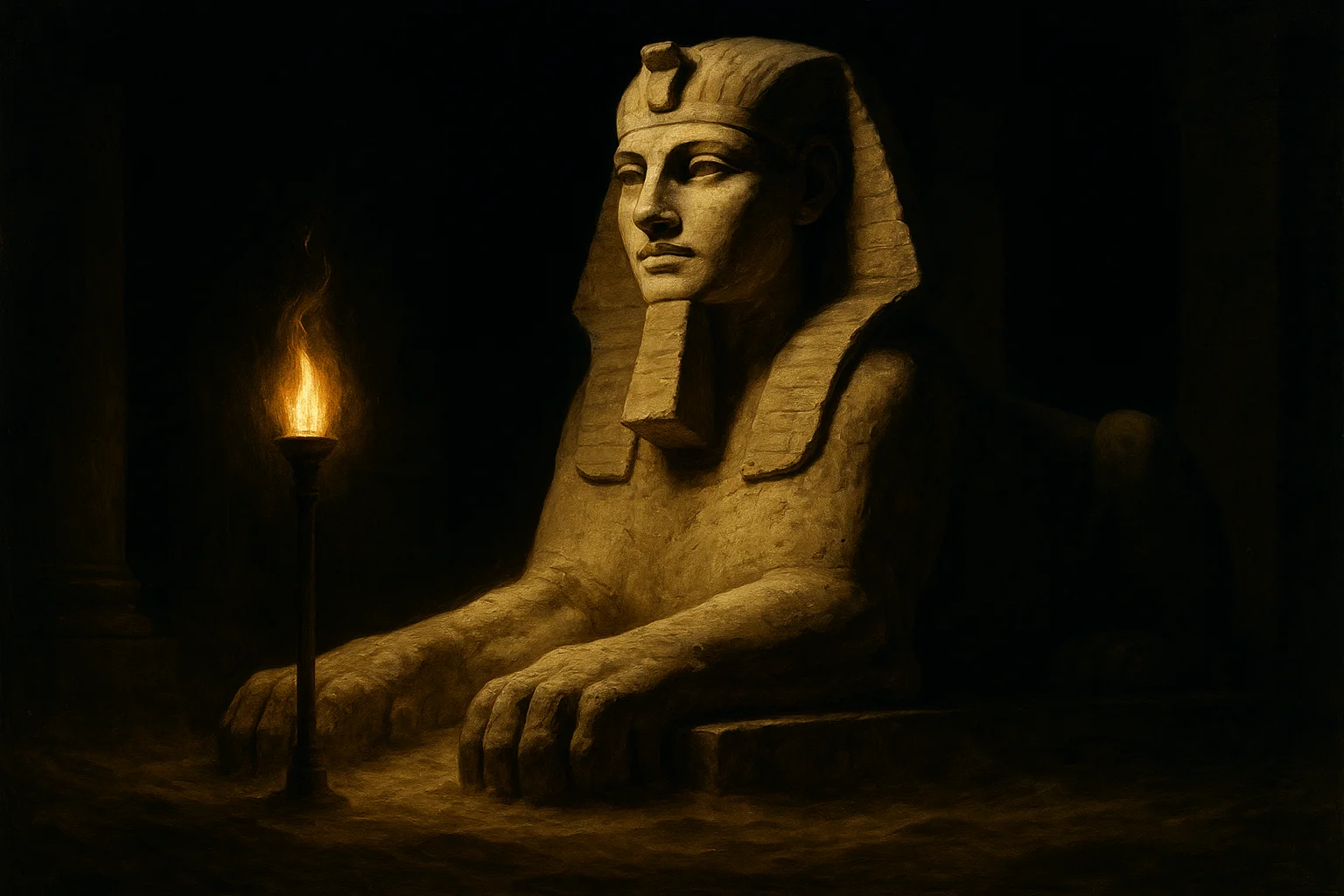
Sphinx: Mythical Creature Symbol of Strength and Wisdom
The sphinx appears in Egypt as royal protector, in Greece as deadly riddler. Explore the creature's forms, riddles, and meanings across cultures.
Mythology
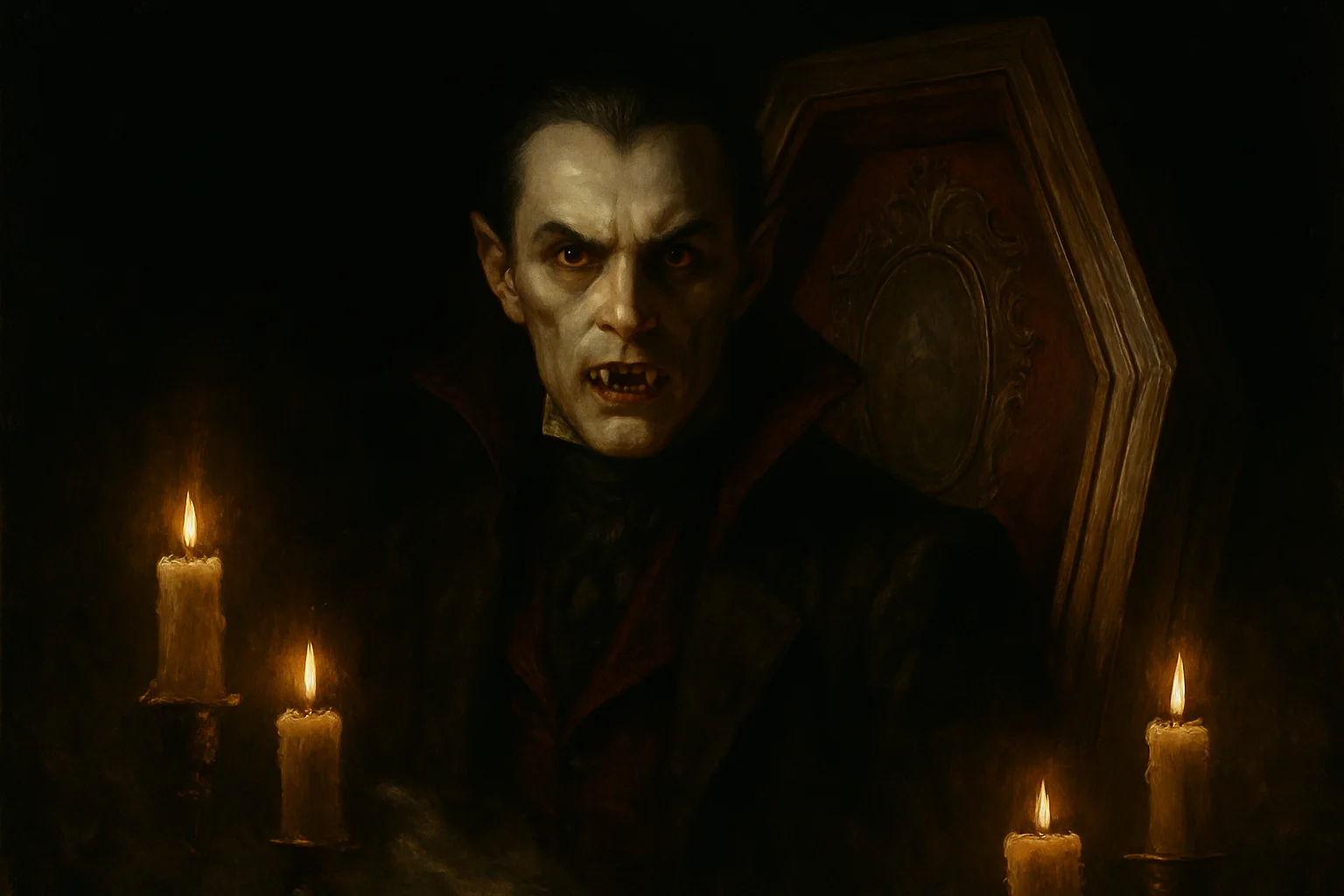
Vampire: From Folklore to Popular Culture
The vampire began as a Balkan revenant, documented in 18th-century reports. How it became cinema's aristocrat and why the folklore still matters.
Mythology
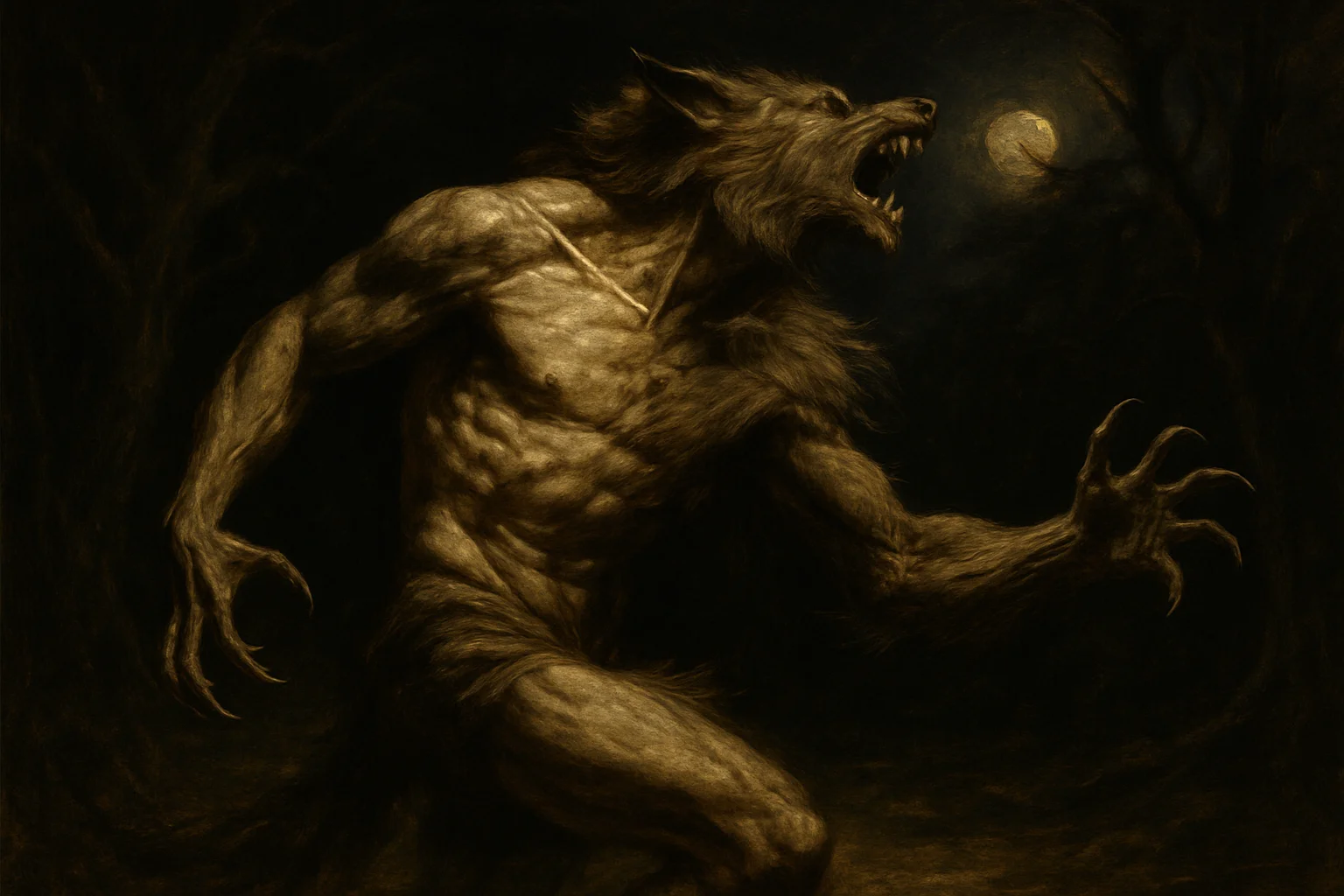
Werewolf: Myth, History & Transformation Legends
From Greek myth to Norse sagas and medieval witch trials, discover the werewolf's dark origins, chilling transformation legends, and what primary sources really say.