
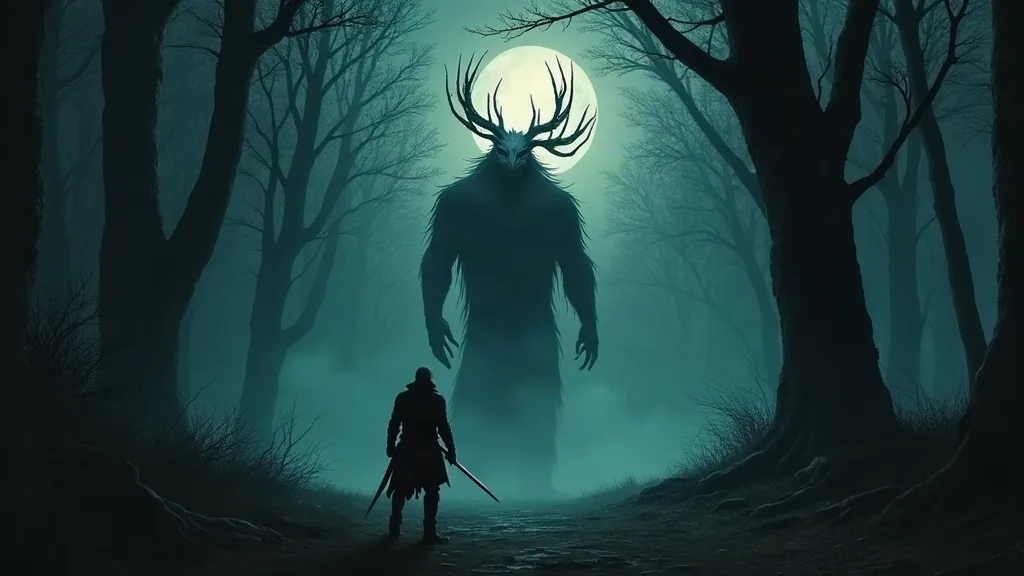
The Witcher Monsters and Real Folklore Origins: When Pop Culture Draws from Ancient Myth
The Witcher's most fearsome creatures aren't pure invention. Discover how Sapkowski's monsters trace back to genuine Slavic folklore, Greek myth, and medieval legend, and what real traditions inspired the beasts that terrified entire worlds.
Contents
Geralt of Rivia hunts things that shouldn't exist. Yet many of them do, buried in centuries-old folklore. When Andrzej Sapkowski created The Witcher universe, he wasn't simply inventing monsters from thin air. He was excavating. He pulled creatures from Slavic peasant tales, Greek epics, and medieval bestiaries, then grafted them into his world with a hunter's precision. The result feels both timeless and urgent.
This matters more than it first appears. Pop culture that borrows from mythology doesn't just retell stories; it introduces new audiences to living traditions. Every player of the games, every reader of the books, every watcher of the Netflix adaptation brushes against real folklore when they encounter these beasts. Understanding where The Witcher's monsters come from opens a door to understanding how humans have always made sense of danger, the unknown, and what lurks at the edge of civilization.
Griffins and Chimeras: The Real Monsters in Ancient Art
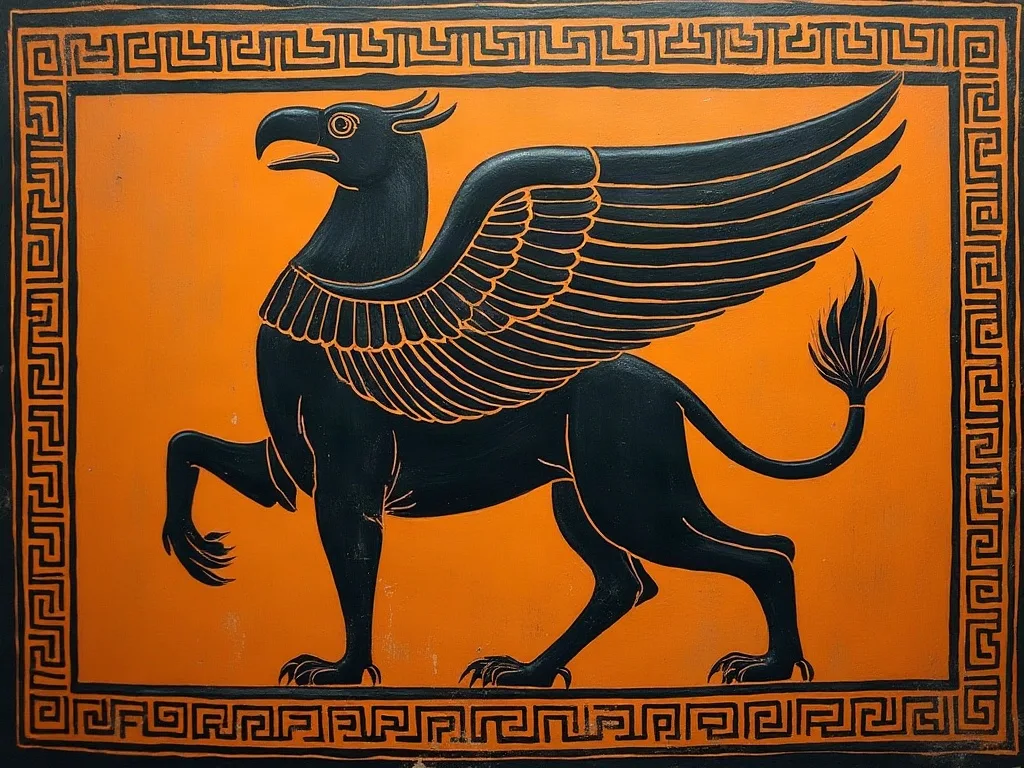
The griffin, one of Geralt's earliest contracts in the games, appears in The Witcher as a proud, intelligent predator. It kidnaps a princess. It's dangerous, honorable, and tragic when defeated.
That's pure Sapkowski. Yet the creature itself has roots deeper than any well in fantasy.
Griffins appear in Mesopotamian seals dating back to 3000 BC. Sumerian and Akkadian texts describe them as powerful guardians, part eagle, part lion. By the time of ancient Greece, they had become even more established. In Greek mythology, griffins guarded Apollo's temples and pulled his chariot across the sky. They were treasures' keepers and divine servants, never mere beasts.
Medieval European art inherited this duality. Heraldic griffins decorated castle shields across England, France, and the Holy Roman Empire. They symbolized valor and protection, not threat. Sapkowski's choice to give his griffin intelligence and agency echoes this long tradition. The monster isn't evil; it's simply powerful, protecting what it loves.
The chimera, another Witcher contract, pulls directly from Greek literature. Hesiod's Theogony, written around 700 BC, describes the Chimera as a fire-breathing monster with a lion's head, a goat's body, and a serpent's tail. It was born from Typhon and Echidna, two of the most primal forces in the Greek cosmos. In Homer's Iliad, the hero Bellerophon kills the Chimera with help from the winged horse Pegasus.
In The Witcher, the Chimera retains its hybrid nature but becomes something slightly different: a predator created by alchemy and mutation rather than divine birth. Yet the reverence for the creature's power remains. The Chimera can't be simply killed; it must be understood.
Leshen and Slavic Spirit Guardians: The Heart of Witcher Folklore
Here is where Sapkowski's genius becomes undeniable. The Leshen is not a creature from classical mythology. It is a direct borrowing from Slavic folklore, repackaged and deepened.
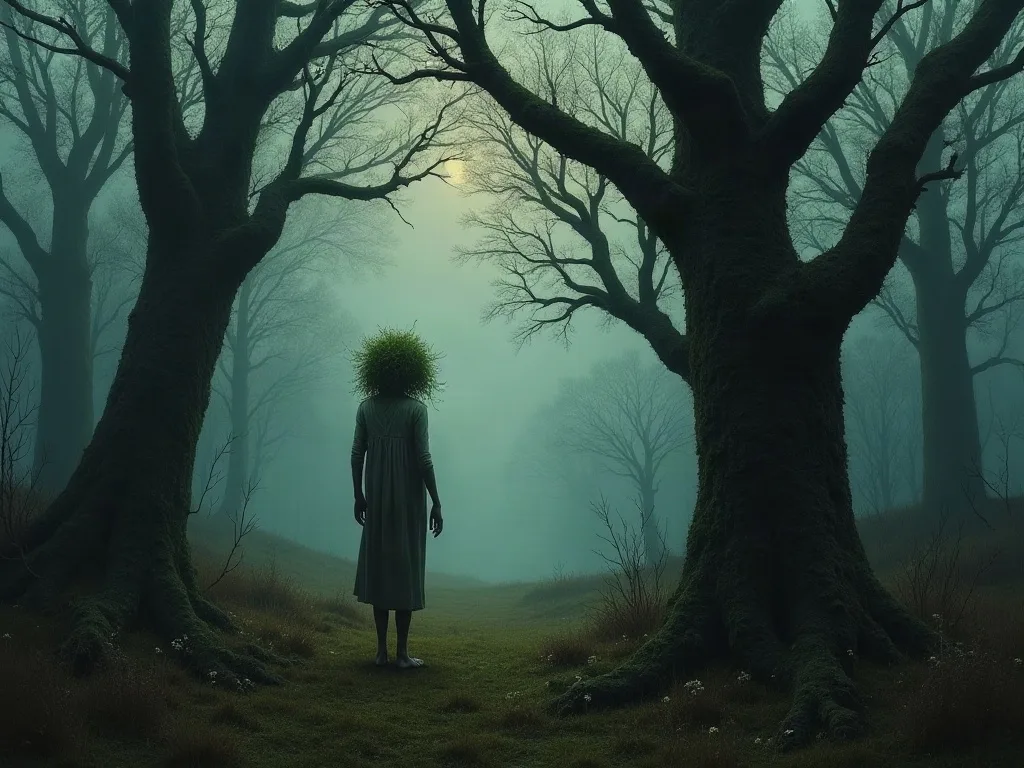
In Polish, Ukrainian, and Russian tradition, the leshy (masculine form) or leshaya (feminine) is a forest spirit, an old man with moss instead of hair, bark for skin, sometimes tall enough to tower above the treetops. He is the master of the forest, neither wholly good nor wholly evil. Hunters who respect him prosper. Those who desecrate the woods face his wrath.
The leshy appears across Slavic tales collected by folklorists in the 19th century. Russian collector Alexander Afanasyev documented dozens of leshy encounters in his massive Russian Fairy Tales series. In these stories, the leshy is often ambiguous. He might help a hunter find his way, or he might lead him in circles until he starves. He demands ritual respect. Leave him an offering. Never mock him.
Sapkowski took this creature and transformed it into something more sinister, yet recognizably descended from its source. The Leshen in The Witcher becomes a force of nature, violent when challenged, tragic in its attachment to its domain. The white mask, the twisted fingers, the horns, these are refinements. The core remains: a guardian of the wild that humans violate at their peril.
The Leshen is not unique in Witcher lore. The Drowner, another Slavic import, comes from the topielec, the water spirit of Polish and Ukrainian lakes. A person who drowned violently would become a topielec, forever seeking to pull others into the water. These creatures appear throughout Slavic folklore collections as warnings about dangerous waters, particularly the dangers of rivers and lakes during spring thaw.
Striga and the Undead: Vampiric Roots Across Cultures
The Striga, one of the most memorable Witcher contracts, is described in the games as a creature born from a curse; a woman transformed into something undead and ravenous after a royal line breaks its oath. She's monstrous yet tragic.
The striga of Slavic folklore carries similar weight. In Polish and Ukrainian tradition, a striga or strigoi is typically a person of questionable birth (sometimes born with teeth, sometimes the child of a cursed union) who, after death, becomes undead and preys upon the living. Medieval texts from Eastern Europe describe strigas as creatures caught between human and monster, forever hungering.
The creature appears in Roman sources as well. Pliny the Elder wrote of beings called striges, nocturnal monsters that fed on human flesh. By medieval times, Eastern European Christianity had merged pagan striga folklore with Christian concepts of spiritual corruption, creating a distinctly regional vampire-like being that differed subtly from the aristocratic, seductive vampires of Western European legend.
Sapkowski's Striga incorporates all of this. She's not a nosferatu or a Bram Stoker vampire. She's something older, more primal, rooted in the very specific terror of Slavic transformation myths. The tragedy of her curse, the impossibility of her redemption, the fact that she was created by human betrayal rather than born into villainy: these are hallmarks of how Slavic folklore understands corruption. Evil is often imposed, not inherent.
Dragonlance and Ancient Dragon Mythology
Dragons appear everywhere in The Witcher, but they serve a different function than in Western fantasy. The Witcher's dragons are rare, ancient, and intelligent. Several are sympathetic. This reflects a tension running through multiple mythological traditions.
In Western medieval tradition, dragons are hoards-guarding threats. Beowulf's dragon, Smaug from Tolkien: these are evil or amoral forces of nature to be defeated by heroes. The medieval bestiaries portrayed dragons as demonic, associated with Satan himself.
But older sources offer complexity. In Norse mythology, the dragon Níðhöggr gnaws at the roots of Yggdrasil, but this act is cyclical, not malicious. Níðhöggr isn't evil; he's part of the cosmos's structure. In Welsh legend, the dragon symbolizes sovereignty and protection. The red dragon appears on the modern Welsh flag as a symbol of national identity.
In Chinese and Japanese mythology, dragons are benevolent, associated with water, wisdom, and imperial authority. They're vastly more intelligent than humans and operate on principles humans barely comprehend. Sapkowski's portrayal of dragons as ancient beings with their own agendas, their own justified grudges, draws from this pluralistic view. Some Witcher dragons are enemies of humanity. Others are victims of persecution or circumstance.
Succubi, Incubi, and Seductive Danger
The creatures that seduce and drain appear across mythological traditions. In Witcher lore, succubi and incubi are seductive, dangerous, and ultimately alien in their desires.
Medieval Christian tradition, drawing on earlier pagan sources, described incubi as demons that visited women at night, and succubi as their female counterparts. These beings appear in theological texts throughout the Middle Ages. Medieval theology wrestled with the question of whether such encounters were real, whether they left marks, whether they could produce offspring.
But older sources reveal a more complex picture. In Jewish folklore, Lilith is sometimes described as a seductive demon, though more commonly as a figure of independence and power. In Mesopotamian sources, various demons and spirits seduce humans. These aren't always portrayed as purely malevolent; they're depicted as following their own nature, which is fundamentally incompatible with human survival or well-being.
Sapkowski's succubi retain this fundamental alienness. They're not evil in the conventional sense; they're simply not human, and their desires have no regard for human life. This echoes how medieval folklore understood such encounters: not as moral contests but as collisions between incompatible natures. A human in thrall to a succubus isn't evil; he's trapped. The creature isn't wicked; it's hungry.
Werewolves Across Cultures: The Shape-Shifter's Ancient Lineage
The concept of transformation into a wolf appears across multiple continents. The werewolf in The Witcher is sometimes curse, sometimes mutation, always tragic.
Norse sagas speak of úlfheðnar, elite warriors who fought with wolf-like ferocity, and shamanic traditions describe shape-shifting as a spiritual practice. In Scandinavian folklore, wolves are both feared predators and objects of mystical reverence. The fenrir wolf of Norse cosmology represents chaos itself, bound before the world's end but destined to break free at Ragnarok.
Central European folklore, particularly in Germany, Romania, and Poland, developed the werewolf legend through a different lens. Medieval trials recorded accused werewolves describing pacts with the devil, midnight transformations, and predatory urges. These accounts blend Christian demonology with older pagan shape-shifting traditions.
Slavic folklore includes the volkodlak or vilkacis, a being that shifts between human and wolf form, often portrayed as cursed rather than demonic. In Serbian and Polish traditions, the volkodlak could be a victim of injustice or spiritual corruption, forced into animal form as punishment.
Sapkowski weaves these strands together. His werewolves aren't simple monsters or simple metaphors. They're the result of curse, mutation, or spiritual possession. Some retain human consciousness; others don't. Some can be saved; others have become fully bestial. This moral complexity echoes authentic folklore, where transformation is rarely simple.
Golems, Automatons, and Constructed Beings
In The Witcher universe, the Golem appears as a construct, animated by magic for a specific purpose. This reflects a tradition running from medieval Jewish mysticism through modern fantasy.
The Hebrew word golem appears in the Torah to mean an unformed being, but medieval Kabbalah developed it into a specific concept: a humanoid creature created through sacred ritual and divine names, animated but not alive in the full sense, a servant without free will. Medieval texts describe Rabbi Judah Loew of Prague creating a golem to protect the Jewish community from persecution.
Jewish mysticism understood the golem as a being on the boundary between life and non-life. It could perform tasks, follow commands, but it lacked true consciousness or soul. Medieval grimoires from Christian Europe adopted similar concepts, describing constructs and automatons created through magic.
Sapkowski's golems carry this weight. They're not evil; they're incomplete. They exist to fulfill a purpose, and when that purpose ends or conflicts with human desire, they become tragic, neither alive nor dead, conscious enough to suffer but not free enough to choose.
Endrega and the Insectoid Other
The Endrega, appearing in Witcher contracts as a massive insectoid predator, has less direct folkloric ancestry than other monsters, yet it taps into something ancient: the fear of the alien within nature.
Medieval and ancient texts don't describe endregas specifically, but they do describe insects of enormous, impossible size. Medieval bestiaries include exaggerated accounts of distant lands where scorpions grew to monstrous proportions. The Unknown was often populated by creatures that embodied human fears of nature's alienness.
But the endrega might also reference a specific Slavic creature: the zmey, sometimes depicted as a hybrid reptilian beast with insectoid features, guardian of underground realms. The endrega embodies what humans find most disturbing: intelligence completely divorced from human empathy, hunger without negotiation, and a life cycle that follows rules humans cannot understand.
Curses, Mutations, and the Blur Between Monster and Disease
One of Sapkowski's most important innovations is the treatment of monsters as sometimes symptoms rather than mere predators. The plague of the Griffin, the Striga's curse, the mutated beasts that plague Novigrad: these suggest that monstrosity itself can be contagious, inherited, or imposed.
This reflects something real in folklore. Medieval plague victims, those suffering from rabies or other wasting diseases, were often suspected of being cursed or transformed. Folklore didn't always distinguish between the sick and the supernatural. A person who changed, who became dangerous, who was no longer themselves: they might be possessed, cursed, or bearing some taint that made them other.
The Witcher inherits and amplifies this confusion. Its monsters often aren't born; they're made. They're created by circumstance, curse, or alchemic tampering. This echoes how ancient folklore understood transformation: not as a fixed state but as a process that could afflict anyone, given the wrong (or right) conditions.
The Rusalka and Water Spirits: Seduction and Drowning
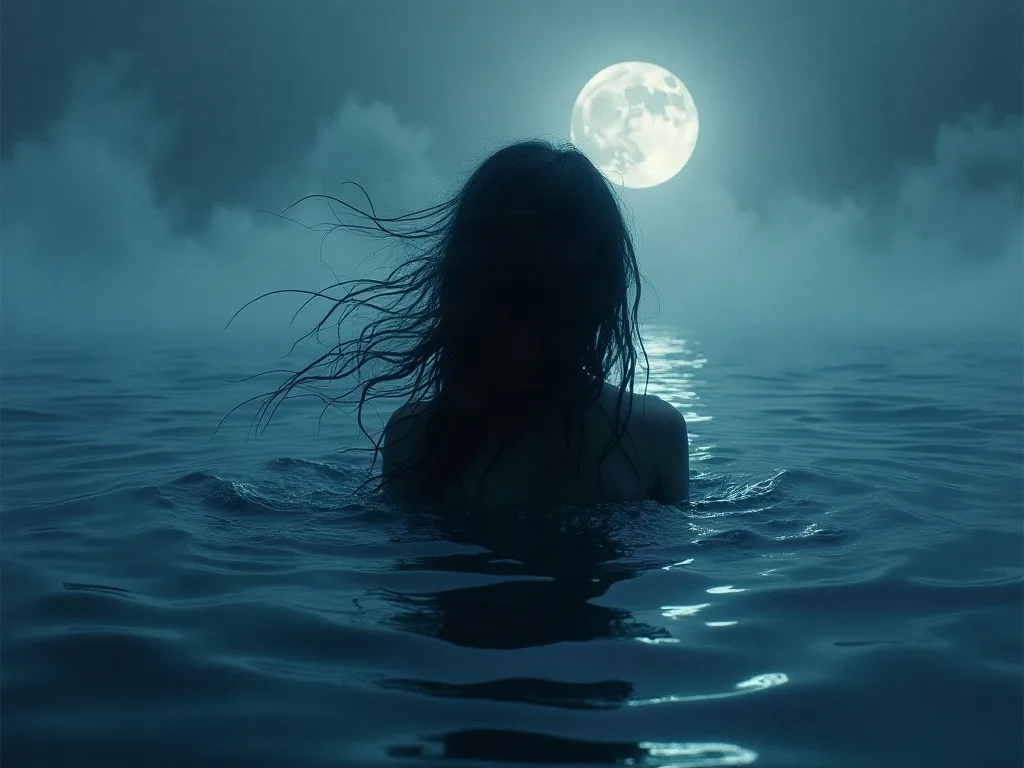
The Rusalka, appearing across Slavic folklore and in various Witcher adaptations, is a water spirit tied to a specific tragedy. Often, she was a woman who drowned or was murdered, and her watery grave became her prison and domain.
In Ukrainian and Polish folklore collected in the 19th century, rusalki appear as beautiful, dangerous beings who seduce men and drag them into water. Yet they're not inherently evil. They're trapped, transformed by trauma, driven by a hunger for release or revenge. Some versions describe them dancing on riverbanks during certain nights, neither fully present in the human world nor fully inhabiting the water.
This creature embodies something specific about Slavic folklore: the idea that great wrongs create supernatural consequences, and that the supernatural often bears the shape of human trauma. The rusalka isn't a demon sent by hell; she's the inevitable echo of a crime or injustice.
Sapkowski's treatment of water-dwelling creatures, particularly when they have tragic backstories, reflects this logic. The monster is often a wound given shape.
Frequently Asked Questions About The Witcher Monsters and Real Folklore Origins
Frequently asked questions
Did Andrzej Sapkowski create all The Witcher monsters from scratch, or did he research folklore?
Sapkowski deliberately researched Slavic and European folklore before writing The Witcher. In interviews, he has credited Polish folk traditions, medieval bestiaries, and classic mythology as direct inspiration. While he transformed these sources significantly, he didn't invent creatures wholesale. The Leshen, the Striga, the Drowner, the Rusalka, these are all rooted in documented folklore, though he added his own darker, more complex narrative layers.
Are the Witcher games and books more faithful to real folklore than the Netflix show?
The books and games tend to maintain stronger connections to their folklore sources because they allow more narrative depth and cultural specificity. The Netflix adaptation simplifies many creatures and emphasizes visual spectacle over folkloric detail. However, this doesn't make the show "wrong"; it reflects how each medium prioritizes different storytelling needs. All three versions draw from real tradition but interpret it through their own lens.
Why do so many Witcher monsters seem tragic rather than purely evil?
This reflects authentic folklore, where supernatural beings often operate according to their own logic rather than human morality. Medieval and ancient texts describe creatures with motivations, histories, and constraints. Sapkowski expanded this tendency, making it central to his world. A Leshen isn't evil for protecting its forest; it's simply defending its domain by rules humans didn't write but must navigate.
What Witcher monster has the weakest connection to real folklore?
Creatures like the Endrega and certain alchemical abominations have less direct folkloric ancestry than beings like the Leshen or Rusalka. However, they still tap into older fears: the alien within nature, the horror of transformation through unnatural means, the threat of the unknown. They're less historically rooted but not entirely divorced from traditional themes.
Has The Witcher introduced people to real mythology, or has it replaced authentic folklore in popular memory?
Both are happening simultaneously. The games and Netflix show have sparked genuine interest in Slavic folklore among younger audiences who might never have encountered it otherwise. Many fans of The Witcher have gone on to study real folklore traditions. However, the creative liberties Sapkowski took are sometimes misremembered as historical fact. The ideal approach is to treat The Witcher as an entry point, then follow the threads back to primary sources.
How does The Witcher compare to other fantasy works in its use of folklore?
The Witcher stands out for its commitment to Slavic sources specifically. Tolkien drew from Anglo-Saxon and Norse mythology. Most Western fantasy inherited the Arthurian tradition. Sapkowski brought Eastern European folklore to the foreground of a major cultural property, introducing global audiences to a mythological tradition they might not otherwise encounter. This is its unique contribution.
The Witcher as Folklore Translation: Why This Matters Now
The Witcher phenomenon reveals something important about how mythology works in the modern world. A Polish writer, drawing from his own cultural tradition, created fiction that became globally dominant. That fiction, in turn, introduced millions of people to Slavic folklore that might have otherwise remained obscure outside Eastern Europe.
This is how living traditions survive and transform. The Greek myths didn't stay frozen in Homer; they were adapted by Romans, reworked by medieval Christians, reimagined by Renaissance writers, and continue evolving in modern contexts. The same process is happening now with Slavic folklore through Sapkowski's lens.
The Witcher monsters matter because they're not simply fantasy creatures. They're translation devices. They carry real anxieties and real spiritual concepts from one cultural moment to another. When a player encounters a Leshen, they're meeting a creature that existed in Polish peasant imagination for centuries. When they face a Striga, they're confronting a being that medieval Slavic people genuinely feared.
This doesn't make the folklore "real" in the sense of physically existing. But it makes it real in the ways that matter: culturally significant, psychologically resonant, and carrying genuine meaning about how humans understand danger, transformation, and the sacred wild places beyond civilization.
The Witcher's genius is recognizing that old stories still work. Not because they describe what's literally true, but because they describe what's emotionally and spiritually true about being human in a world larger and stranger than ourselves.
Free 25-page sample
Want the whole story?
Take the first 25 pages free. If it pulls you in, the full edition is yours as an instant PDF download, with a paperback on Amazon for selected titles.

Mythology
The World Mythology Book: The Gods, Heroes and Myths of Every Culture
The Gods, Heroes and Myths of Every Culture, in One Volume
The whole of world mythology in a single volume: Greek, Norse, Egyptian, Japanese, Hindu, Celtic, Slavic, Mesoamerican and African myths gathered side by side, each drawn from the primary sources.