
Egyptian Gods: Divine Powers and Sacred Authority
How Egyptian gods wielded power through cult, kingship, and cosmic order. Grounded in Pyramid Texts, temple inscriptions, and ritual practice.
Contents
Take a voyage through the ethereal realm of the Egyptian Gods. We’ll look at the myths, symbols, and tales that have captivated people’s imaginations for generations, from the all-powerful sun deity Ra to the shrewd and clever Isis.
Discover the mighty forces that molded ancient Egyptian culture and find out how these gods still inspire and affect people today all around the world.
Who are the big 3 Egyptian gods?
In ancient Egyptian mythology, there were many gods and goddesses who were revered and worshipped by the ancient Egyptians. Some of the most important deities in the pantheon were known as the “big three” because of their central role in ancient Egyptian religion and culture. These deities were:
Amun – the chief god of the pantheon, associated with air, wind, and fertility Ra – the sun god, believed to be the creator of the universe Osiris – the god of the underworld, associated with the afterlife and resurrection These three gods were considered the most important deities in the ancient Egyptian pantheon and were worshipped throughout Egypt. They were often depicted in art and literature and played a central role in many of the myths and stories of ancient Egyptian mythology.
Who is Egypts most powerful god?
In ancient Egyptian mythology, Amun was often considered the most powerful god. Amun was the chief god of the pantheon and was associated with air, wind, and fertility. He was worshipped throughout Egypt, and his cult center was located at the temple of Karnak in Thebes.
Amun was originally a local god of the city of Thebes, but over time he rose in importance and became the preeminent deity in the Egyptian pantheon. He was often depicted as a human with a ram’s head or a man with a double plume headdress.
In addition to Amun, other gods and goddesses were also considered powerful and important in ancient Egyptian mythology. Some examples include Ra, the sun god and creator of the universe; Osiris, the god of the underworld and the afterlife; and Horus, the god of the sky and kingship. Each of these deities played a central role in ancient Egyptian religion and culture, and they were revered and worshipped by the ancient Egyptians.
Egyptian Gods and Goddesses
In the beginning was Atoum, the sun. He had created himself by coming out of the great primordial ocean, the Nun.
Then Atum created Shu, the deity of breath, and Tefnut, the deity of moisture. Cabbage separated heaven and earth. Thus were born Nut, goddess of the sky, and Geb, god of the earth.
Nut and Geb had two sons, Osiris and Set, and two daughters, Isis and Nephthys.
Osiris was the first pharaoh and reigned with his wife Isis in peace and Wisdom. Set was jealous and murdered his brother Osiris.
Isis resurrected her husband and conceived a child, Horus; Horus avenged his father by challenging Set to a duel. Osiris withdrew into darkness and became ruler of the kingdom of the dead.
The invisible world of the gods is a replica of the earthly world. Through Pharaoh, their heir and representative on earth, the gods guarantee universal harmony.
Life, not death, is the ultimate reason for Egyptian religion. From the beginning, Egyptians felt a sense of divine and cosmic unity, dominated by the great god, let him be called Atum, the creator, Ra, and Amun, the solar god.
The god is the personification of life, of universal energy, and like it, he is multifaceted. In a world where chaos is feared to overturn the universal order, divine action plays the role of the supreme guardian.
Its mission is to safeguard life, and the supremacy of the forces of good, to ensure that the original balance, that of the cosmos, of nature, and of humanity, is maintained.
Pharaoh’s people infinitely reproduce the representations of the omnipresent God. The gods of Egypt intervene in all natural events, and are part of the daily life of mankind.
The deities are responsible for the beneficial flooding of the Nile, good or bad harvests, diseases and plagues.
The gods are responsible for the beneficial flooding of the Nile, for the good or bad harvests, for the most diverse diseases and plagues, and it is thanks to their intervention that the Sun and the Light revolve in their orbit, that the cycle of the seasons repeats itself immutably.
All the gods are part of nature and are deeply rooted in their lands. They are the lords familiarly honored.
The system of worship allows every Egyptian to go to the nearest shrine and speak in privacy to his local god.
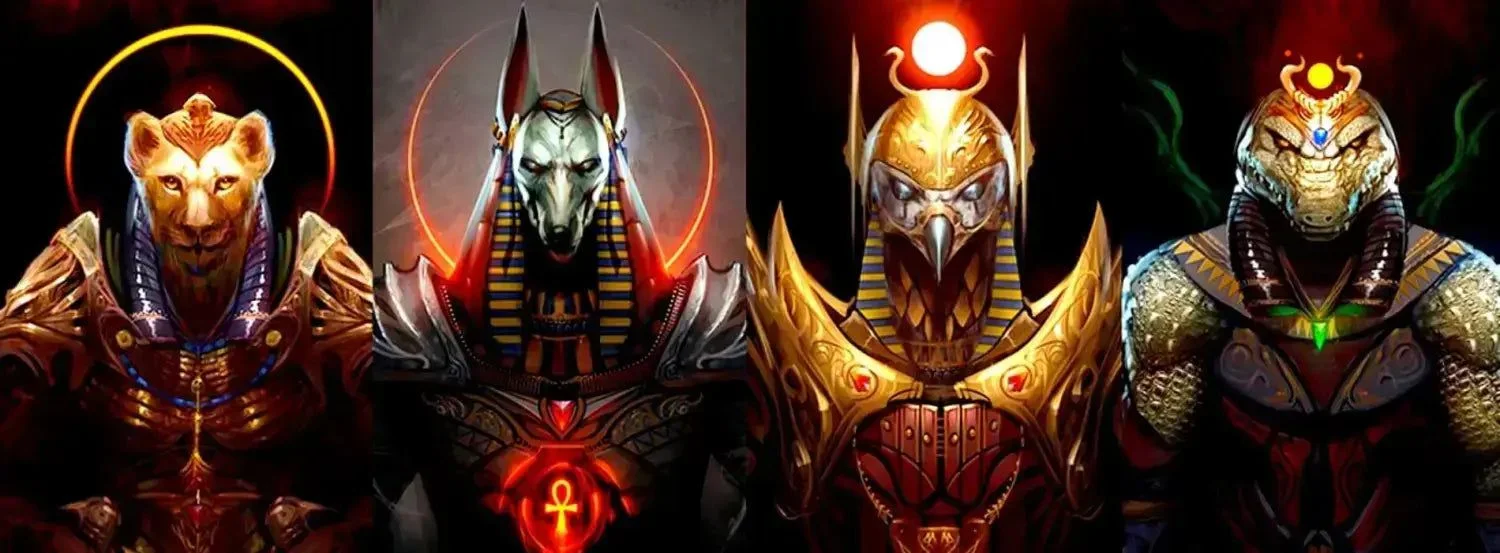
The gods of ancient Egypt appear in a mixed form: animal-headed figures or human-headed animals. The human form of the gods makes them accessible, closer to people, and more open to their daily concerns. Their animal appearance is a metaphor for their function.
Some gods of ancient Egypt
1. Osiris
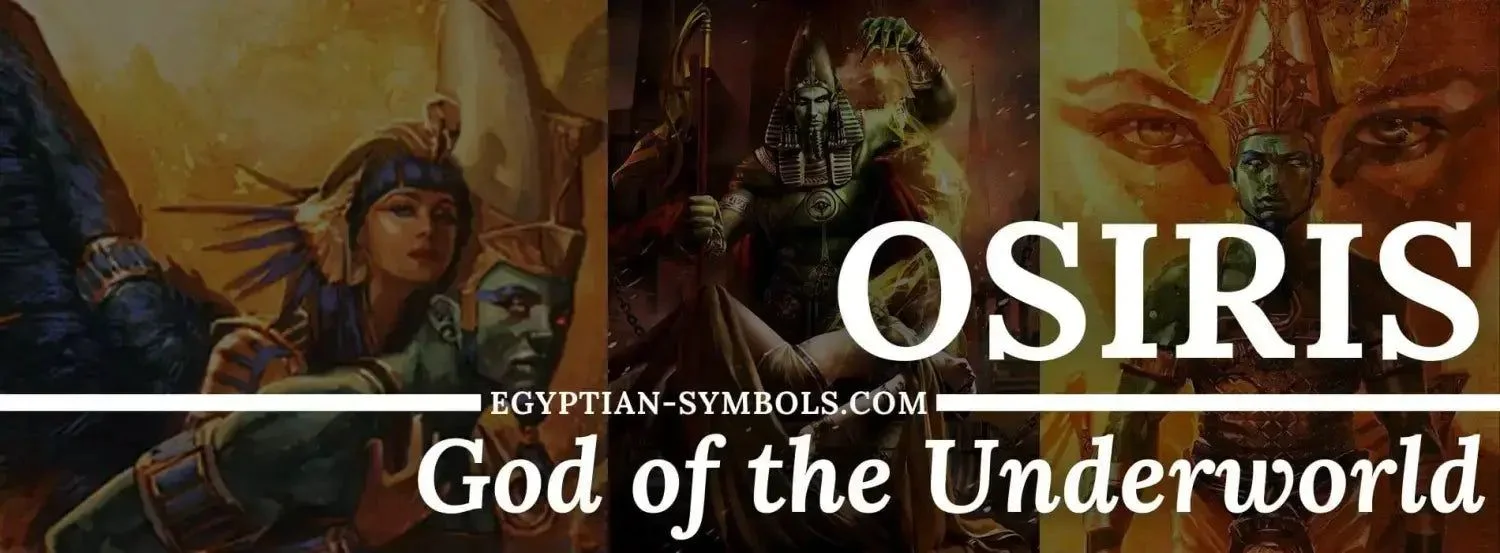
He is one of the four children of Nout and Geb. An earthly king who became sovereign of the kingdom of the dead, he bears the attributes of his function as an all-powerful master. He holds the scepter in one hand and the whip in the other.
2. Isis
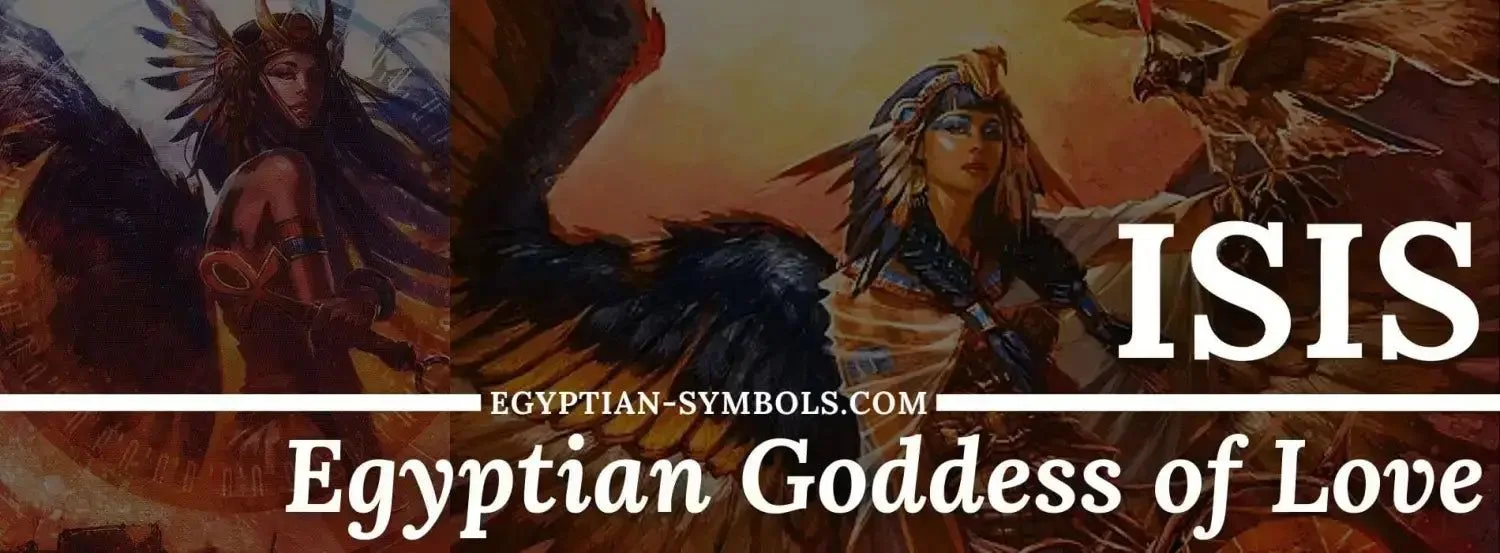
Sister and wife of Osiris, Isis is both goddess and magician. She triumphs over death by resurrecting Osiris. She is the universal mother, the one who gives birth to all living beings. Isis is identified with Hathor and is depicted as a woman carrying the horns of the cow goddess enclosing the solar disc.
3. Anubis
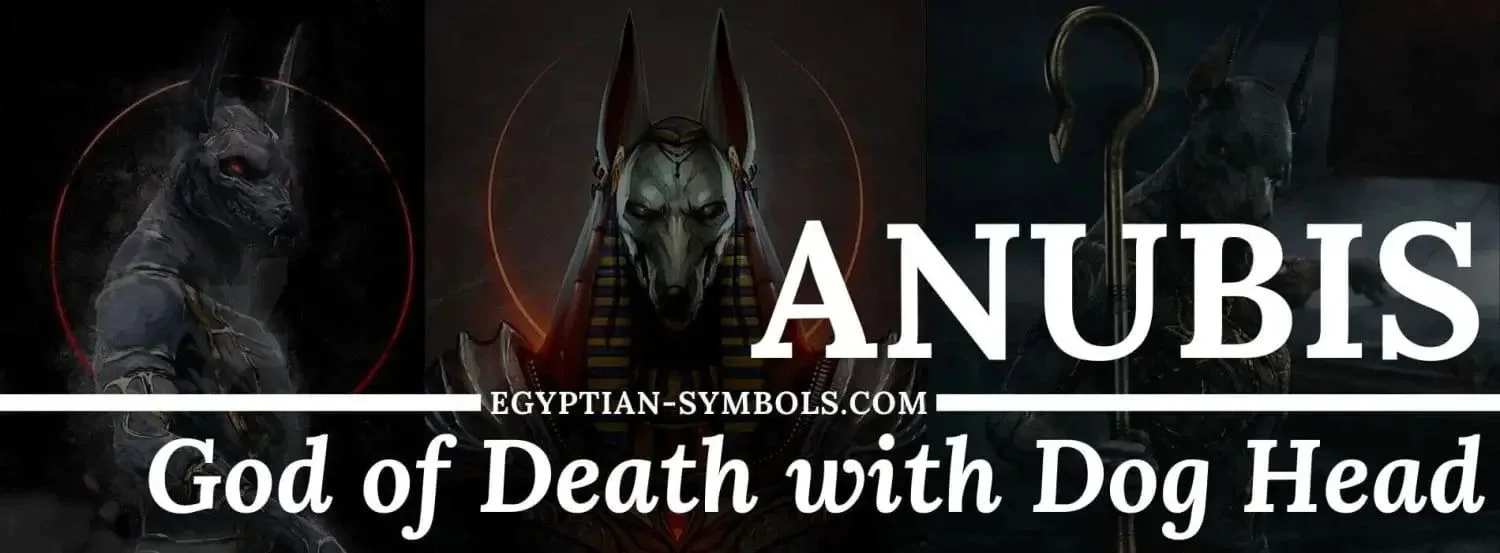
He is depicted as a man with the head of a jackal or a dog. He exclusively presides over the funeral cult. He protects the deceased, welcomes them into the afterlife and leads them before Osiris with whom he carries out the judgment of the dead by weighing their hearts. Anubis is the undisputed master of all mummification rites and techniques. He is the god of embalming, a rite he first practiced on Osiris.
4. Maât
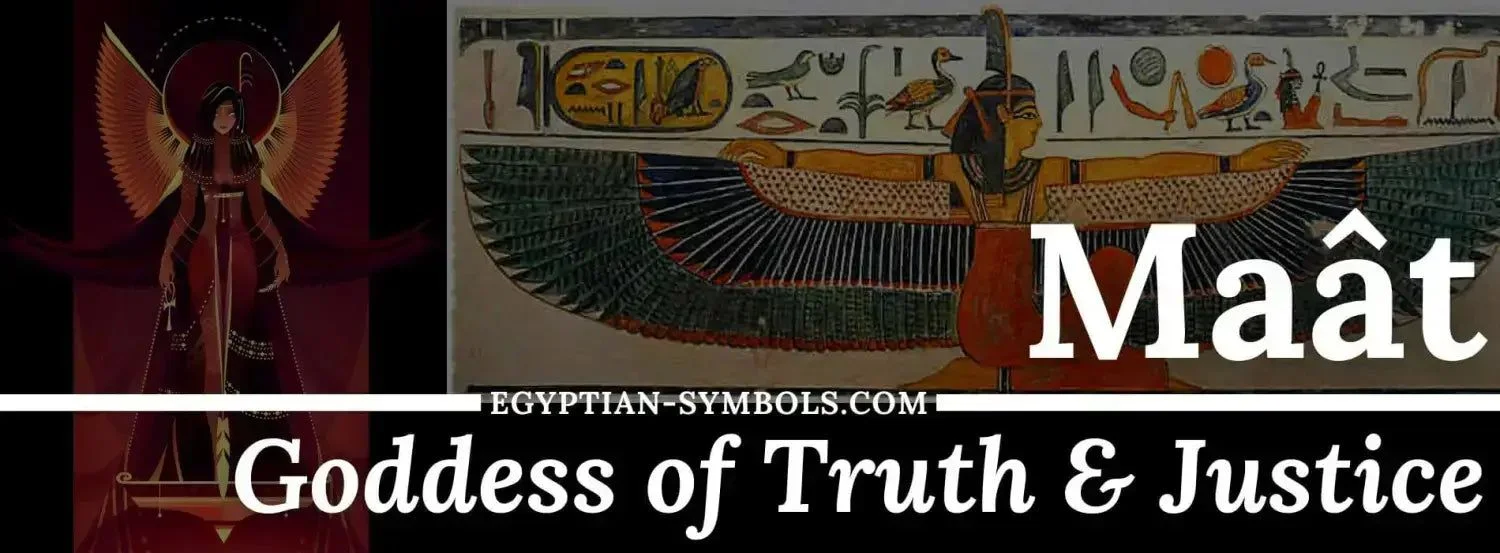
Represented by a young woman wearing an ostrich feather, Maat personifies truth and justice, two inseparable and necessary virtues for the good order of society and the world. His role is to annihilate the principle that is opposed to him, disorder. Maat is the intangible cohesive force that makes everything in its place. It is the universal morality respected and adored by all.
5. Ra/Re
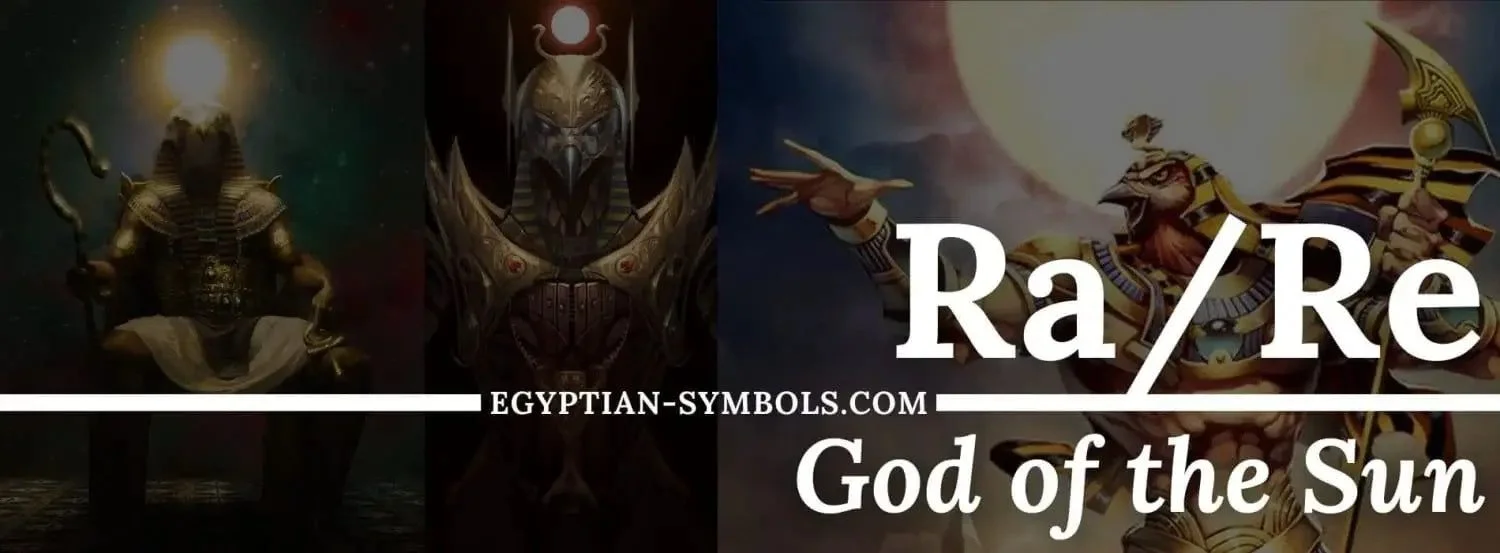
The name of this god is written Ra. Master of the gods, Ra travels the sky from East to West to dispense the light and heat of the sun.
6. Ptah
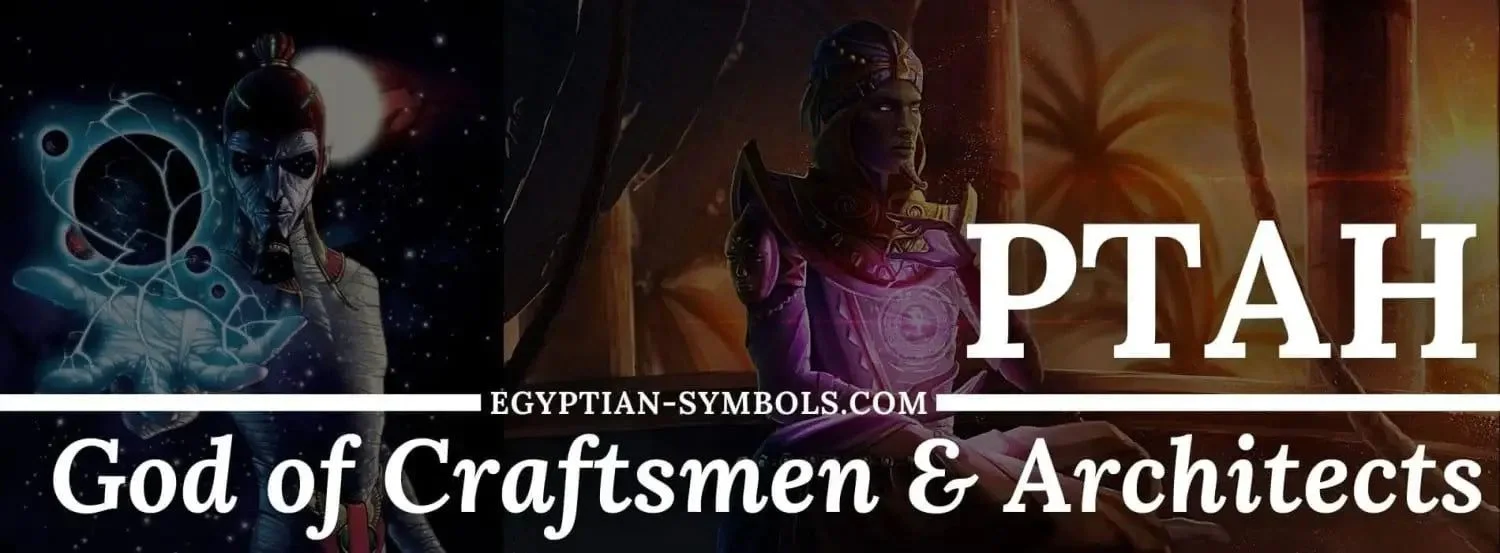
At the beginning of time, Ptah pre-existed everything. Ptah, the creator of the universe, contains within him the vegetable seeds and all the constituents of nature. He gave birth to the gods, arranged the offerings and built the cities. Ptah is naturally the patron of artists, he is also the god of craftsmen.
7. Bastet
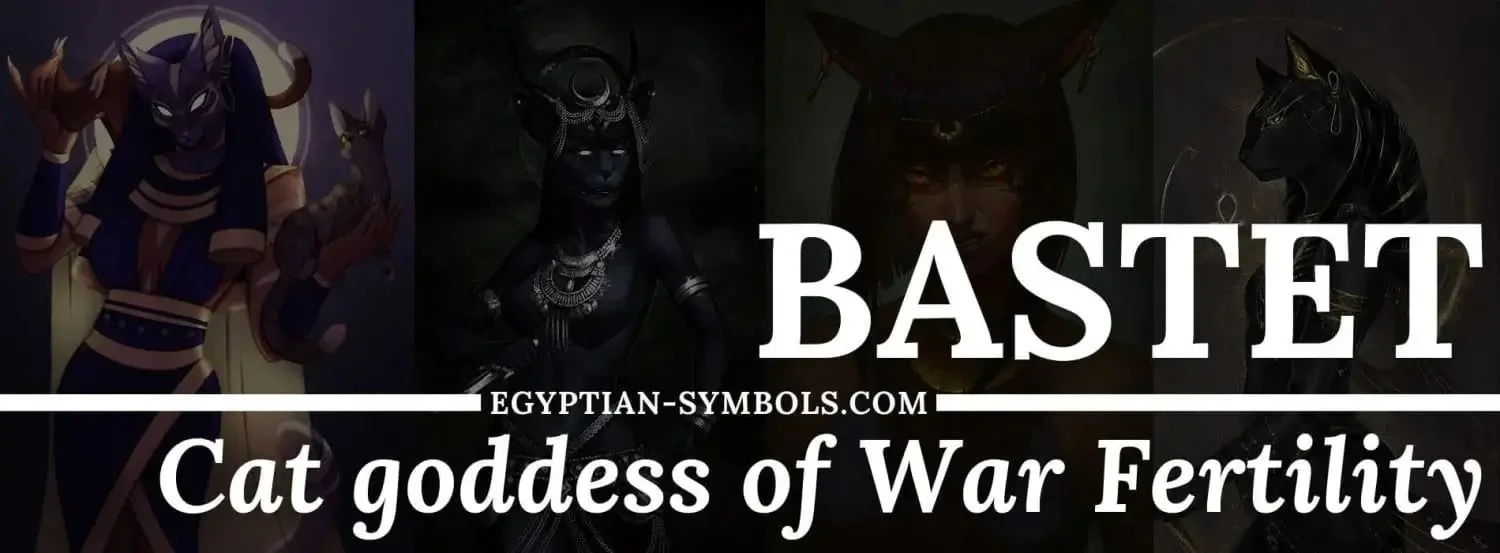
Benefactor and protector of humanity, Bastet is the musician goddess of joy. She is represented as a cat, but also sometimes as a lioness; Bastet is the patroness of the home, the goddess of motherhood, fertility and multiple female virtues.
8. Thoth
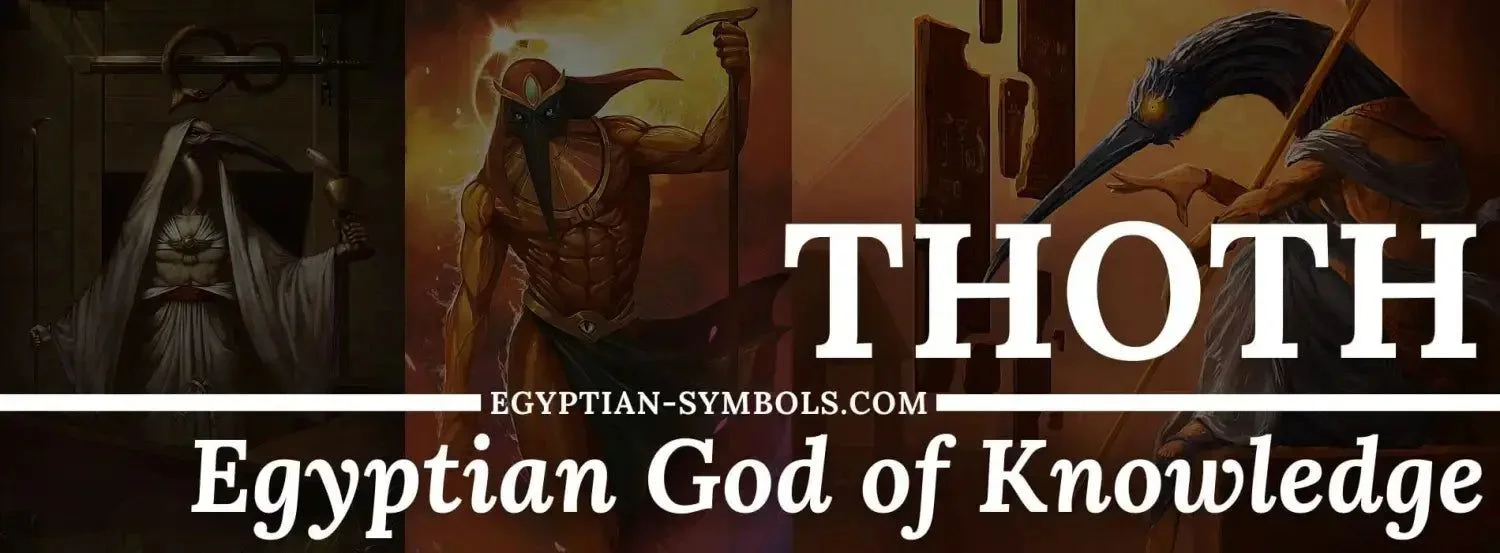
Thoth is represented in the form of a man with the head of ibis. Secretary of the gods, Thot is the clerk of all ritual and divine ceremonies. Patron of arithmetic and numbers, Thot is thus “accountant of time”. Inventor of writing, he is the lord of the texts preserved in the temples.
9. Geb
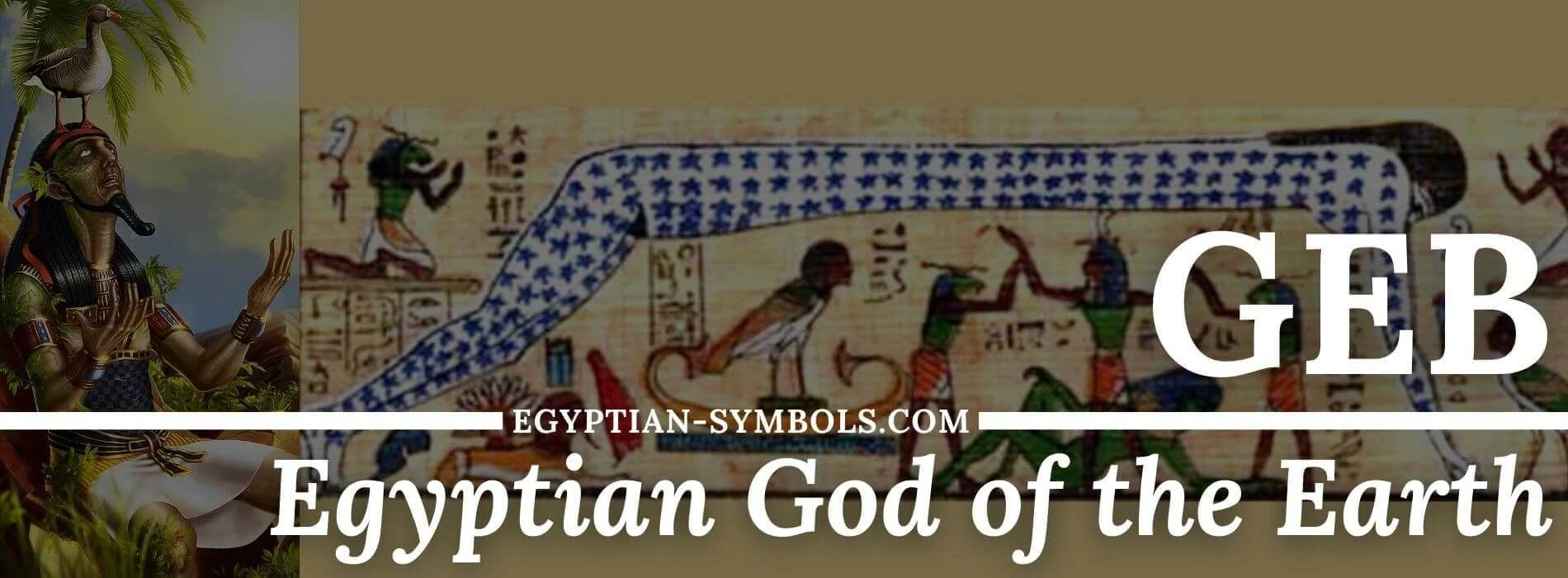
Geb is worshipped in the guise of a man who sometimes wears a goose on his head, the hieroglyphic sign of his name. Master of minerals and plants. Above all, he plays a theological role personifying one of the four elements that are at the origin of the creation of the world.
10. Nout
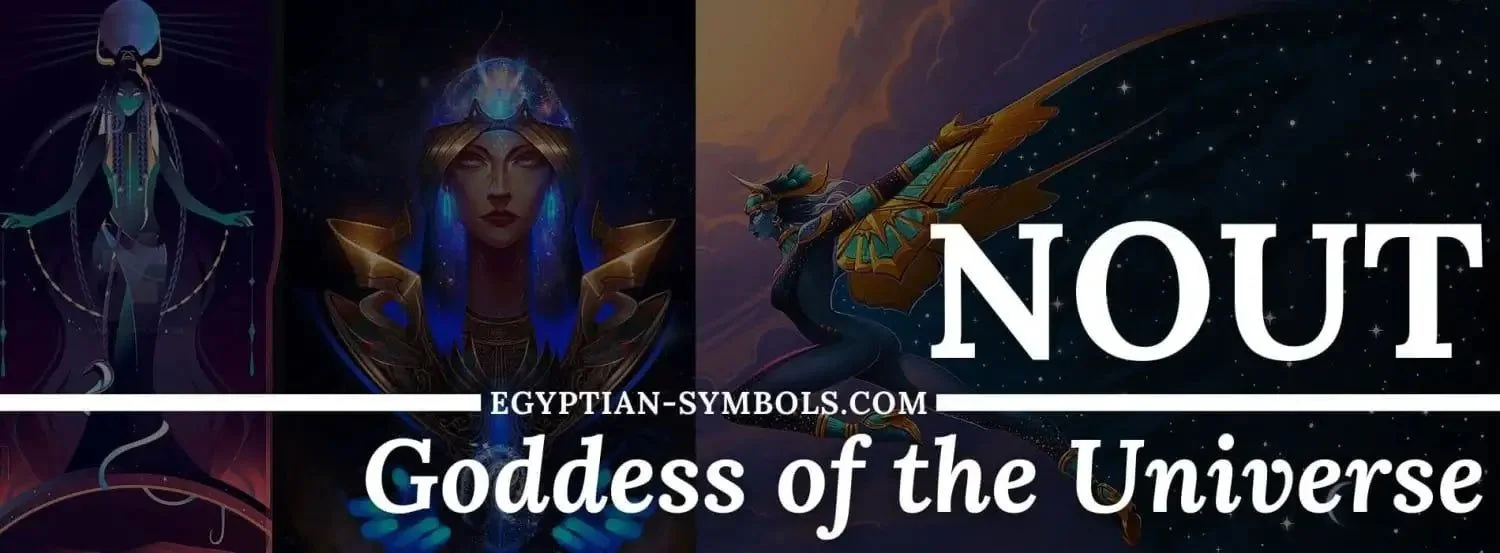
She is shown as a woman with a body curved in an arc, her arms hanging down toward the setting sun, and her feet toward the rising sun. Her body covered with stars personifies the celestial vault.
11. Khnum
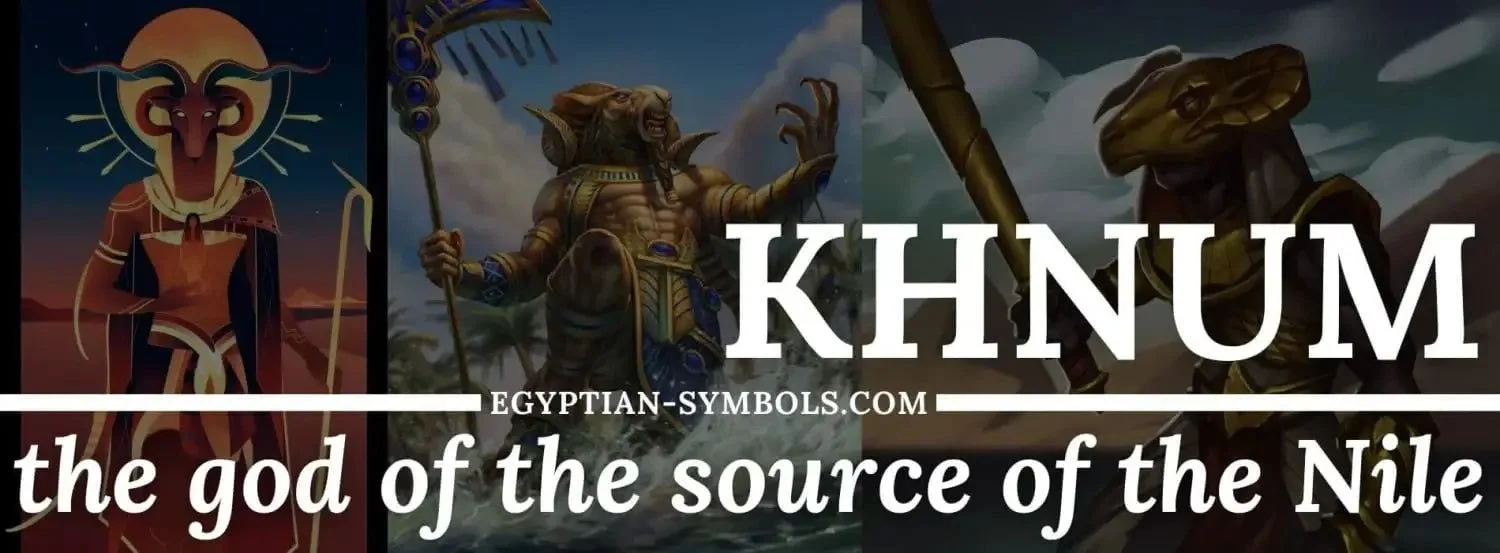
Represented as a ram-headed man, the god personifies generating power, presides over the birth of children and ensures the fecundity of herds.
12. Horus
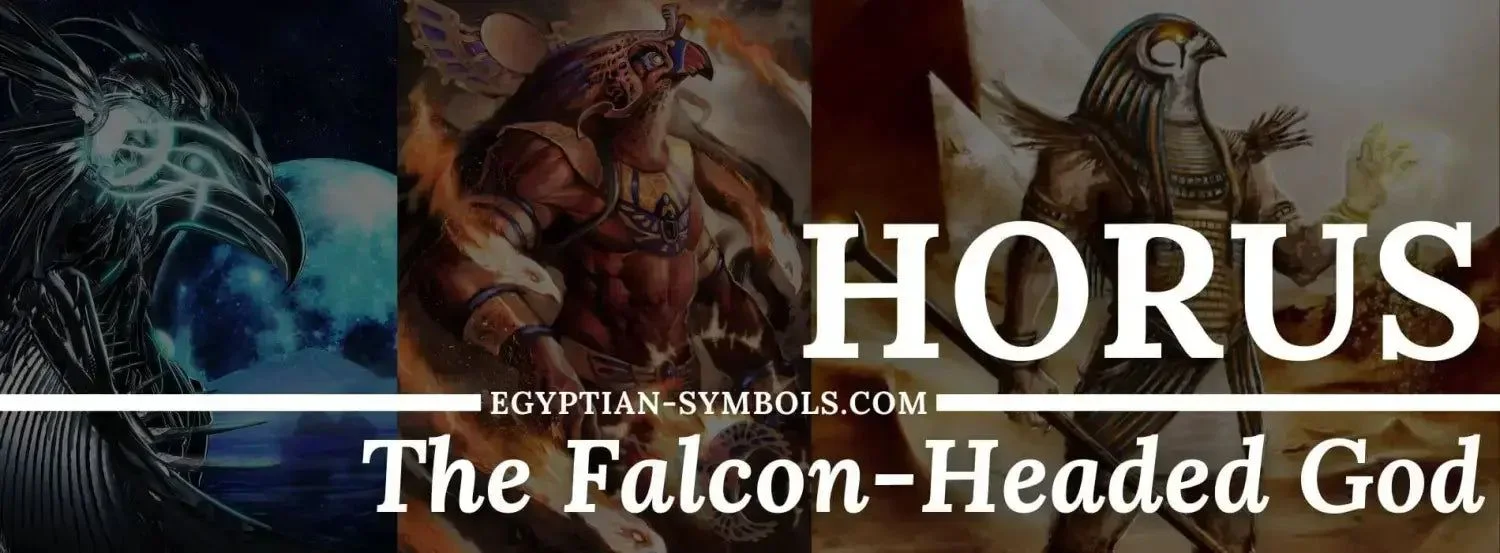
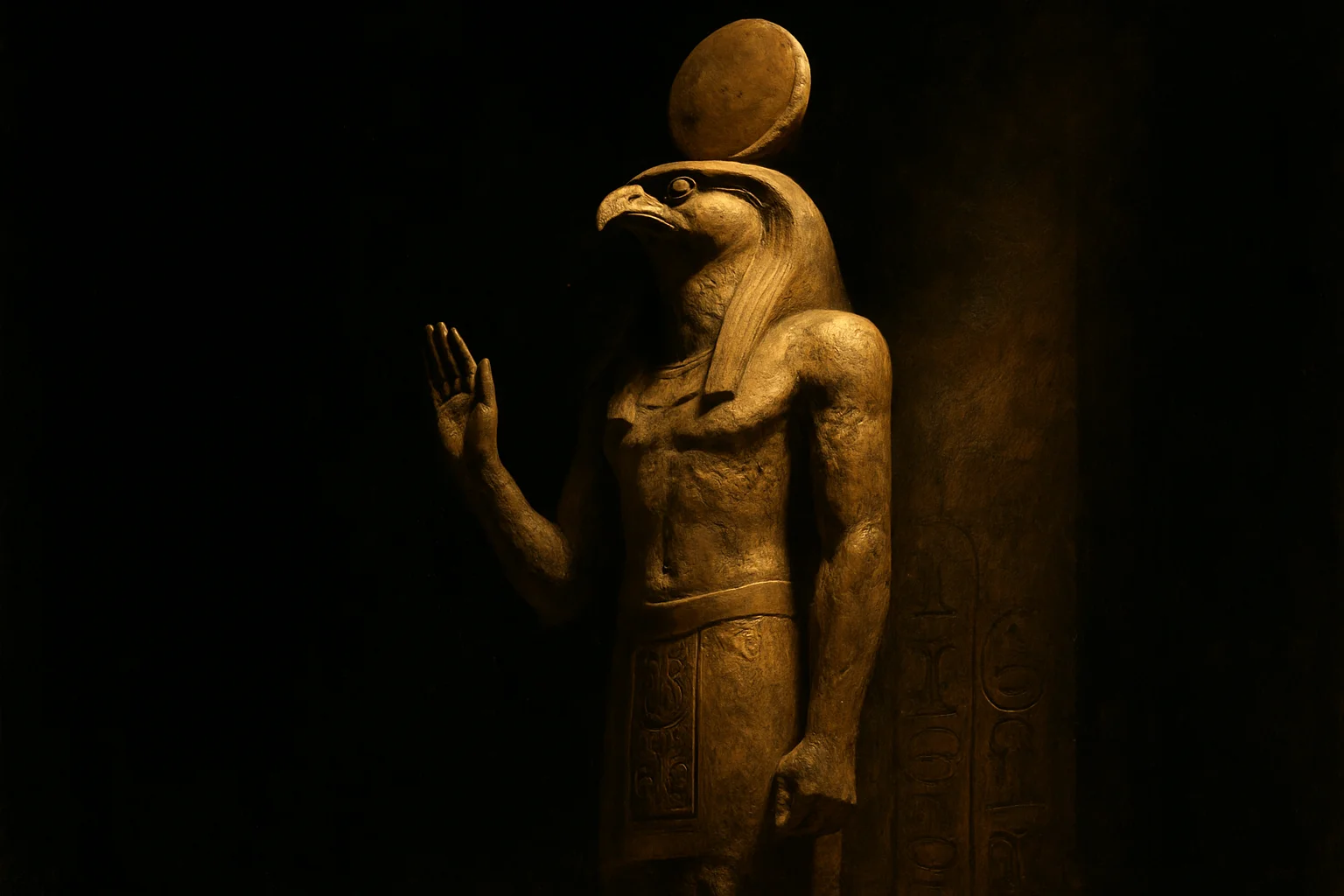
Son of Isis and Osiris, Horus is the master of the earthly kingdom. He embodies the dynamic aspect of the pharaoh and his duties. He is represented as a human with the head of a falcon, a celestial animal par excellence.
13. Bes
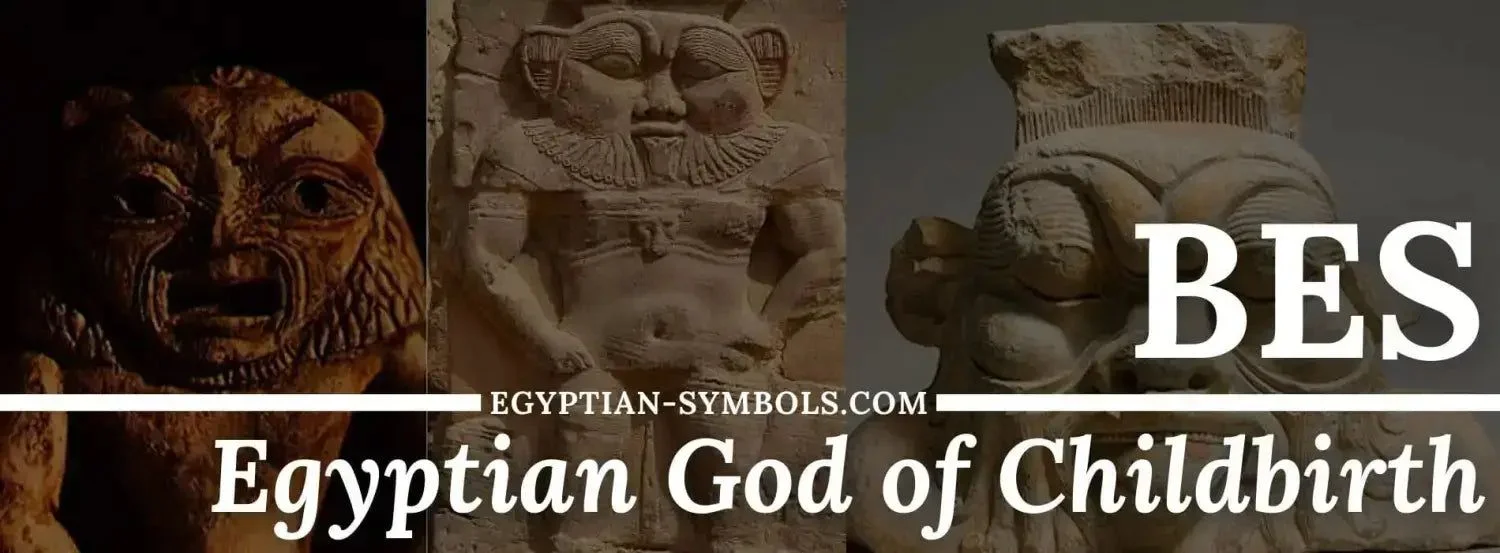
Bes is the protector of the home. He is the popular deity par excellence. A grimacing dwarf, he was not very popular during the Old and Middle Kingdom. Its protective function will be enormously solicited in the homes, from the New Empire, but it is especially in the low period that Bes will become a full-fledged god to whom sanctuaries will be dedicated.
14. Sekhmet
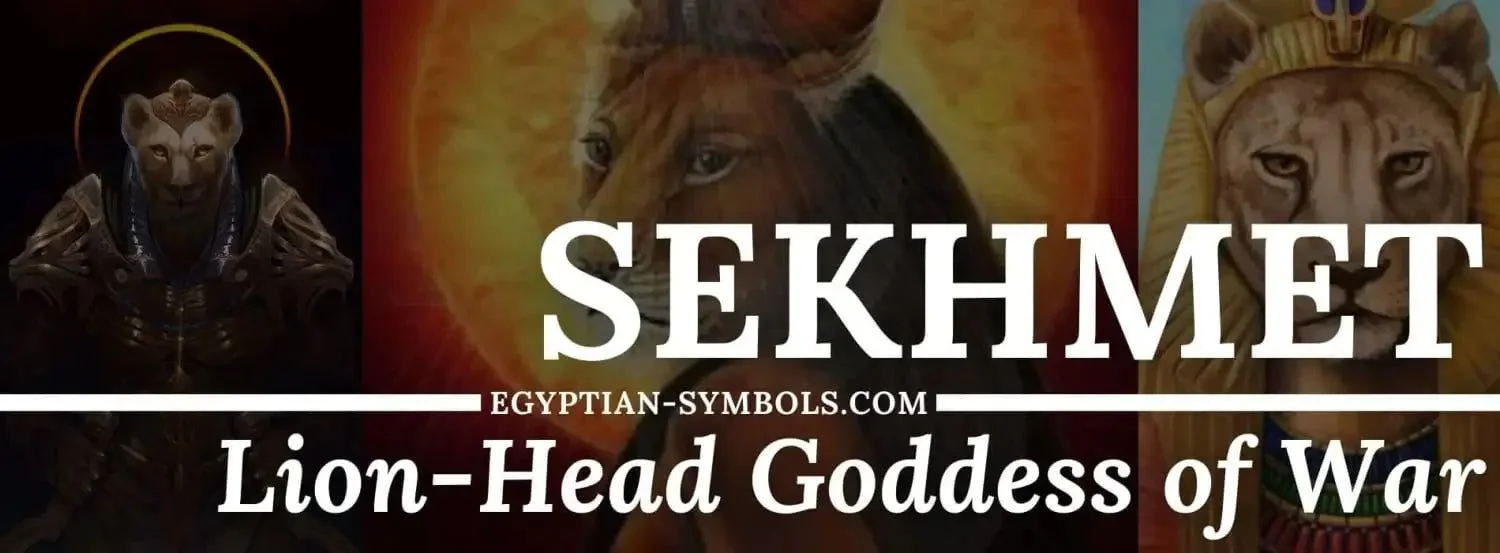
Goddess with the head of a lioness and the body of a woman, she is well known for her irascible character. She is endowed with immense powers. Her name means “the mighty one”, and therefore she attracts and frightens. Among the great divine figures of Ancient Egypt, Sekhmet fascinates by her extreme contradictions, between protection and destruction.
15. Mut
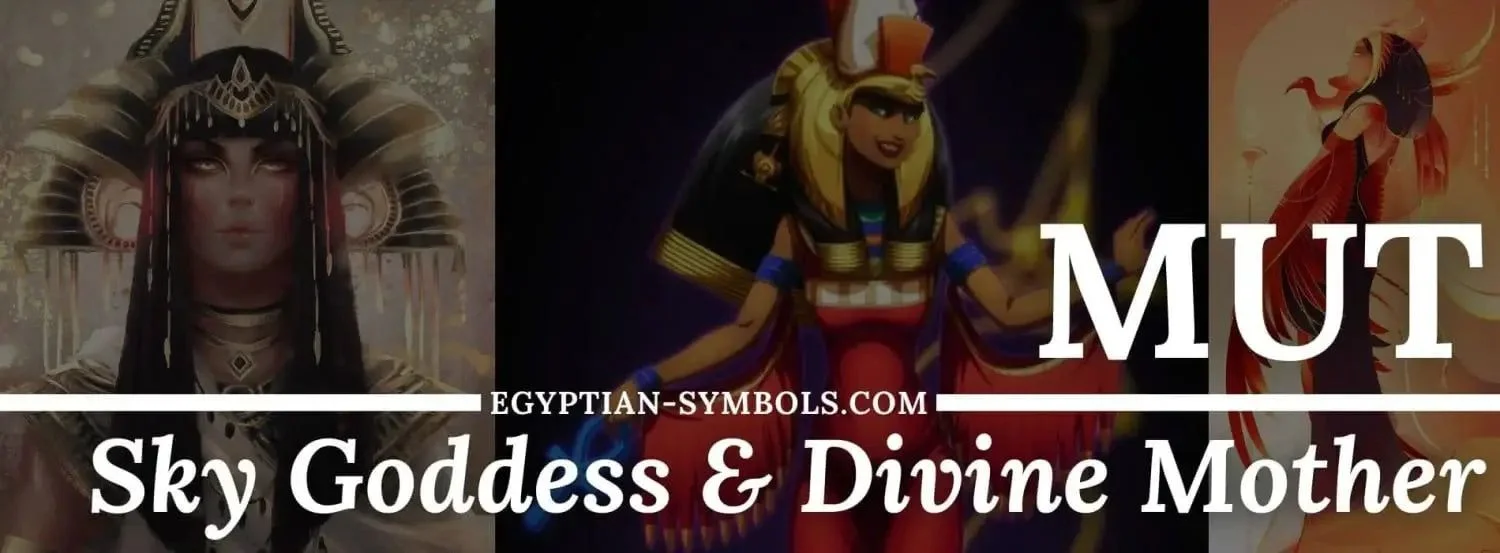
The goddess Mout, divine mother, tender or feline, is particularly venerated from the New Kingdom onwards. Temples are dedicated to her, the most famous of which is the temple at Karnak. Mout is represented as a woman with a human head or a lioness head. Mout is equated with mother, motherhood, and the Wisdom of the matron.
16. Atum
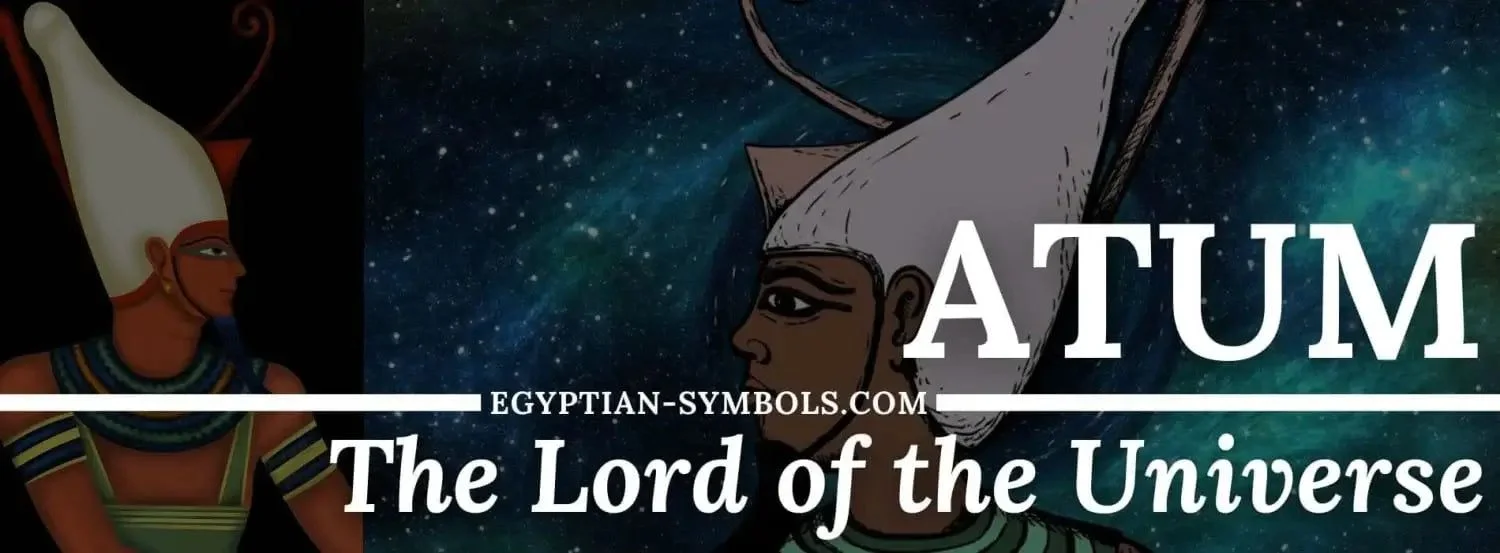
Atoum created the world. Primitive deity of the holy city of Heliopolis, he is the solar character par excellence, the personification of the order emanating from the original chaos, the image of the potter of the universe. Without him, no Egypt. In the very first days of Egypt, Atoum is represented in the form of a man wearing the crown of kings. He is the personification of the blazing sun, the primordial god.
17. Nephthys
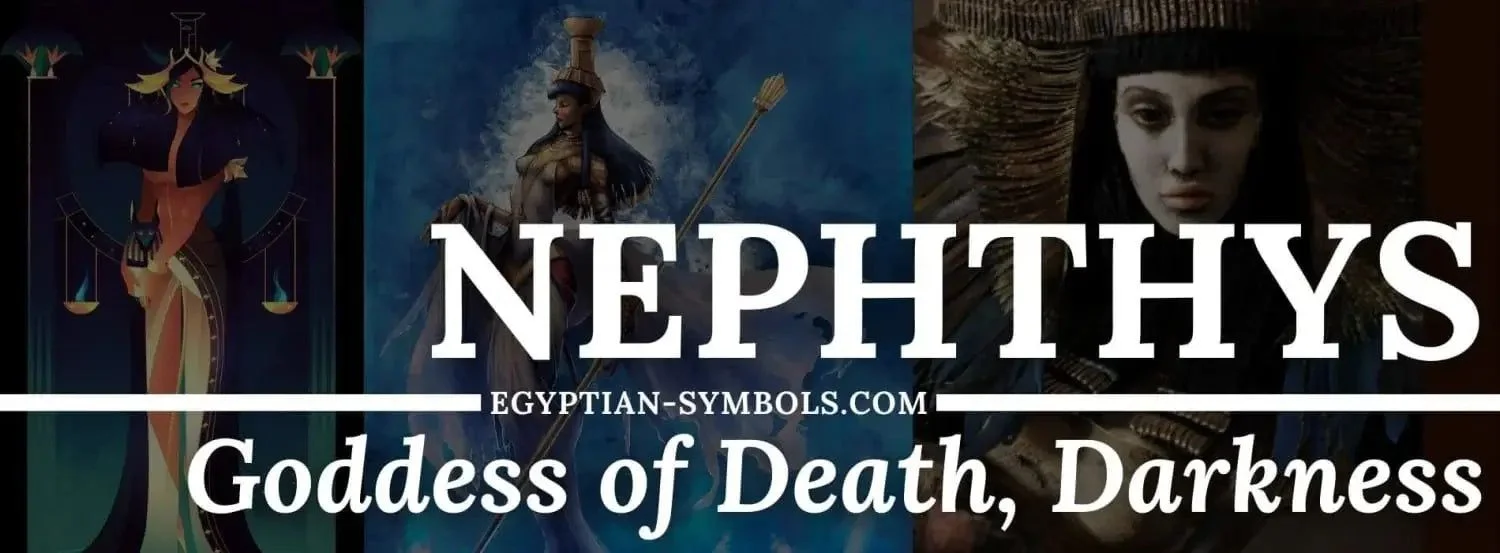
Her name means “lady of the house”, that is to say “the one who watches over the necropolis”. Sister of Isis and Osiris, she is the wife of Seth, his other brother.
18. Hathor
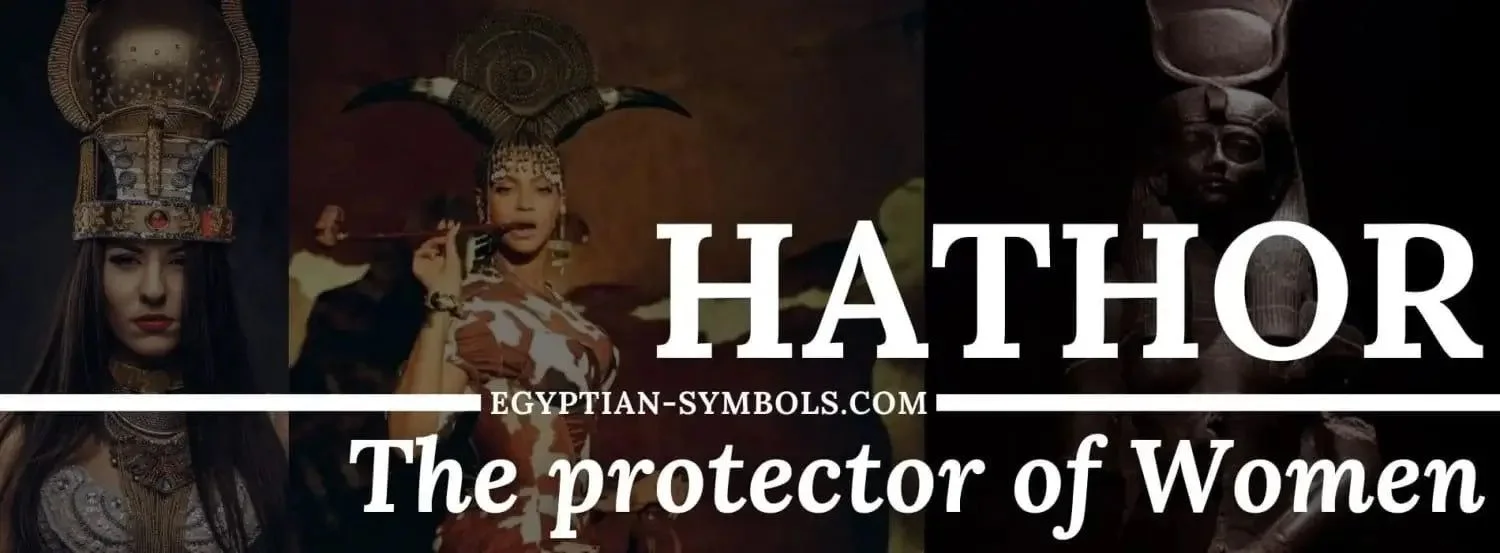
She is certainly one of the most popular goddesses of Egypt. The number of temples dedicated to her, including that of Denderah, her preferred stronghold, is commensurate with the image she transmits. She is likened to a multitude of local deities, making her appear in various forms. Hathor is also the protector of several nomes.
19. Seth
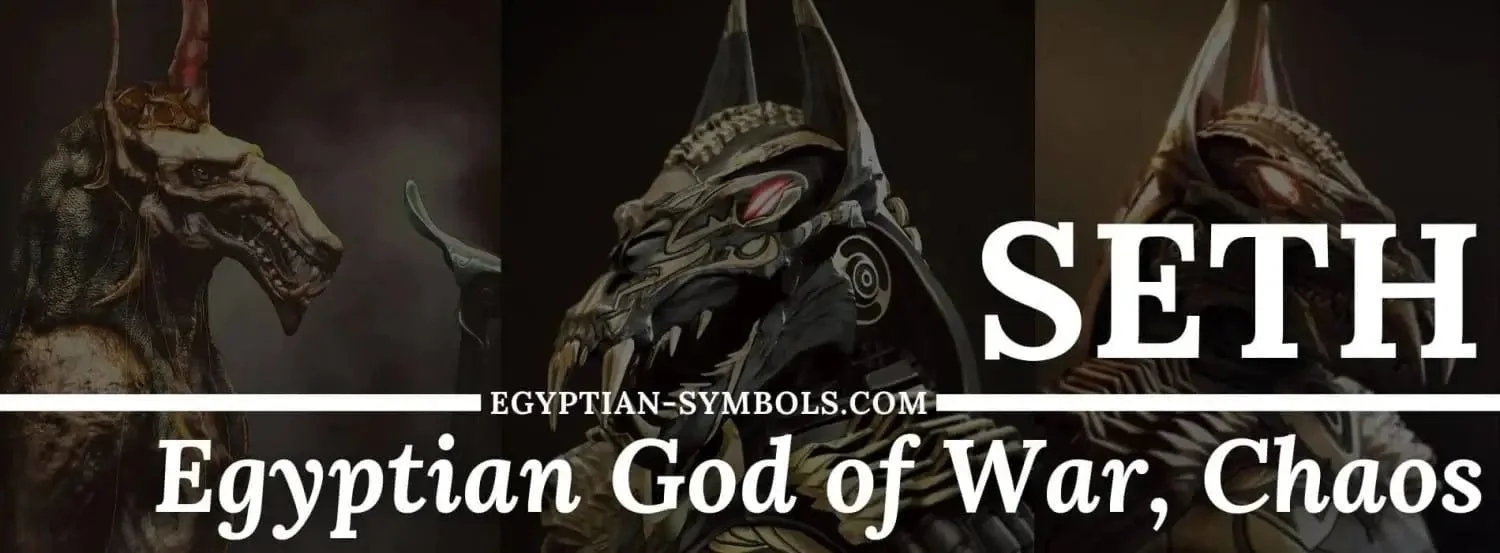
Set is one of the oldest gods of Egypt. Murderer of Osiris, his brother, whose throne he usurps, he is hated as a representation of evil. “God of storms and thunderstorms”, “master of the desert”, he nevertheless has his place in the Egyptian pantheon as the incarnation of the forces and negative elements indispensable to the balance of the world. Set is represented as an unidentified, probably imaginary animal. Its slender body, long, forked, arrow-shaped tail, long, bushy muzzle, and long, straight ears are reminiscent of hares, oryx, and donkeys.
20. Sobek
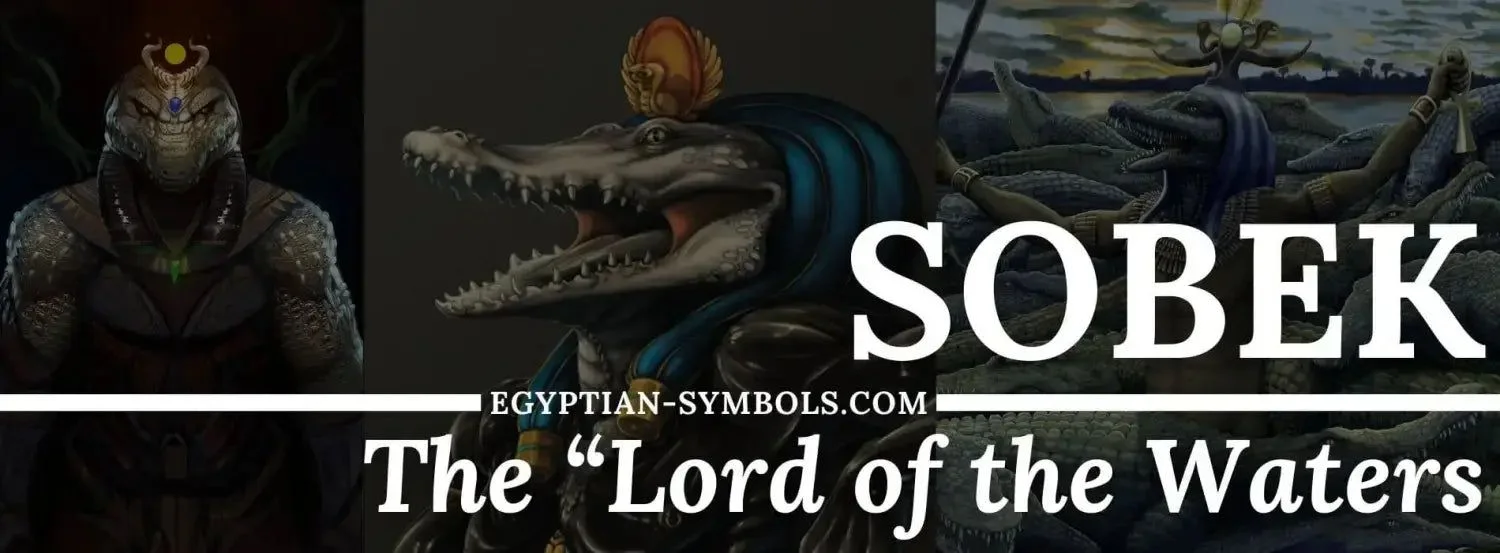
Voracious god of the marshes, Sobek, who takes the form of the crocodile, keeps throughout the history of Egypt an ambiguous character. In the Fayoum and other swampy regions of the country, it is a deity linked to the sun, a god of water and fertility venerated in places where crocodiles swarmed. Sobek is a solitary god who has little relationship with his fellow men. He has the violent character of the crocodile, which makes him the defender of the sun god against the forces of chaos, but also a dangerous being.
21. Amon
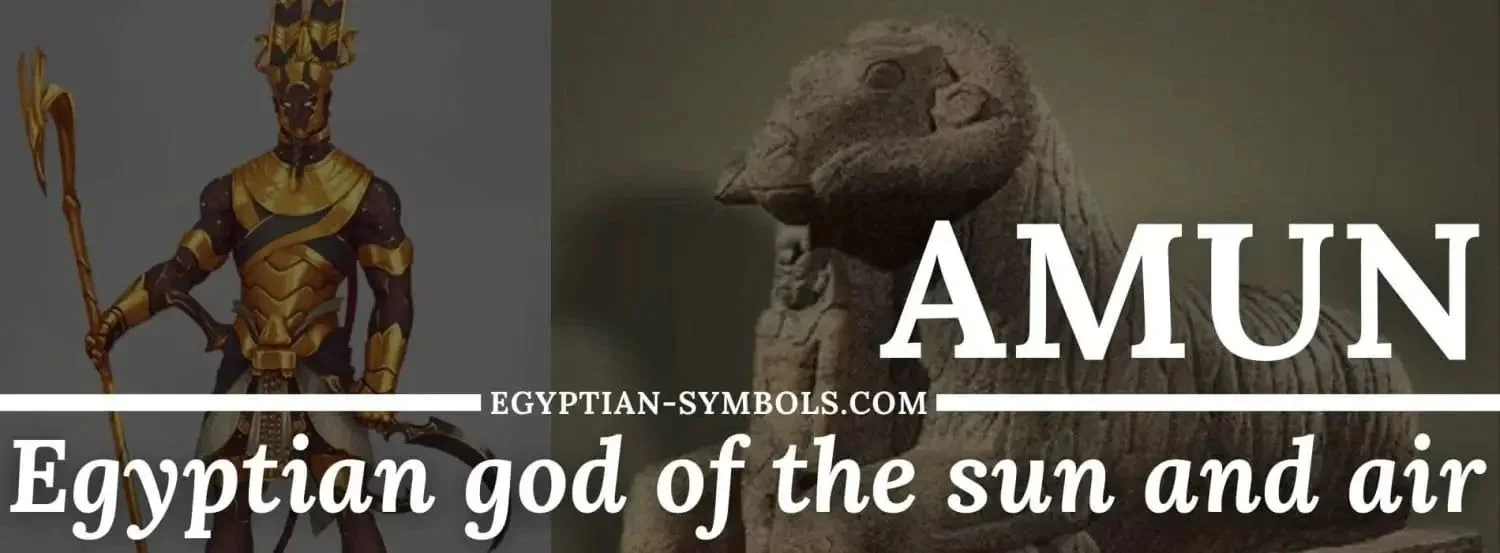
Amun is arguably the most popular god of ancient Egypt, originally a simple obscure deity of the Theban region, he became a state god at the beginning of the New Kingdom. His prestige grew, and his clergy remained the richest until 664 B.C., when the Assyrians destroyed Thebes.
Conclusion about egyptian gods
In conclusion, the gods and goddesses of ancient Egypt were fundamental to the people’s religion, culture, and way of life. These gods were revered and worshipped through a variety of ceremonies and customs because it was thought that they possessed strong forces and had a say in mortal matters.
The myths, symbols, and tales of the Egyptian gods and goddesses still enthrall and inspire people today all over the world, and both ancient and contemporary civilizations have carried on their legacy in their art, literature, and culture.
Frequently asked questions
What was heka and how did Egyptian gods use it?
Heka was the fundamental cosmic force that enabled all divine action in Egyptian theology, present at creation and functioning as the energy through which gods shaped reality, performed transformations, and maintained cosmic order. Gods accessed heka through knowledge of true names, ritual speech, and symbolic gestures recorded in temple inscriptions and funerary texts. The Coffin Texts describe heka as both a personified deity and the operative principle that made creation possible, predating even the creator god. Mortals with proper training, particularly priests and scribes, could also access heka through mastery of sacred formulas, though with greater difficulty and risk than the gods themselves.
How did pharaohs channel divine power in ritual and governance?
Pharaohs functioned as living conduits between the divine and human realms, performing daily temple rituals that sustained the gods' presence and power in the material world. In theory, every ritual act in every Egyptian temple was performed by the king, with priests serving as his proxies in practice. Temple reliefs consistently depict pharaohs receiving the ankh and was scepter directly from divine hands, symbolizing the transfer of life force and dominion. This was not political theater but cosmological necessity: the royal office served as the essential channel through which divine power flowed to maintain maat and prevent cosmic collapse into isfet.
What role did cult offerings play in sustaining divine authority?
Daily cult offerings of food, drink, clothing, and incense were essential maintenance of divine power, not symbolic gestures, because Egyptian theology held that gods required material sustenance to maintain their presence and effectiveness in the world. Without these offerings, divine heka would wane and the cosmos would slide toward chaos. The morning ritual, performed at dawn in every major temple, followed a precise sequence that awakened the god's statue, fed and clothed it, and renewed its power for another day. This created a reciprocal economy where humans sustained the gods through offerings and the gods sustained creation through their continued action, with major temples like Karnak functioning as economic engines that transformed agricultural surplus into cosmic stability.
How did gods transfer or share power through syncretism?
Egyptian gods frequently merged into composite deities through syncretism, a process that combined the powers and attributes of multiple divine beings without erasing regional traditions or creating theological contradiction. Amun-Ra, the fusion of the hidden god Amun with the solar deity Ra, exemplified this process, becoming the supreme god of the New Kingdom by uniting transcendent creative force with visible solar power. The Hymn to Amun-Ra describes the god as "mysterious of form" and "marvelous god of many forms," reflecting theological sophistication rather than confusion. Syncretism allowed divine power to be modular and transferable, with gods like Ptah-Sokar-Osiris combining specific attributes (creative power, chthonic authority, resurrection) into specialized composite forms particularly important in funerary contexts.
What happened when divine order broke down in Egyptian cosmology?
When divine power failed or weakened, isfet (chaos) advanced against maat (order), potentially leading to cosmic and social collapse as experienced during the First Intermediate Period when central authority fragmented. Seth's murder of Osiris demonstrated that even a king of the gods could be destroyed, while Ra's aging in the Book of the Heavenly Cow led to humanity's rebellion and required violent suppression. Literary texts from periods of political breakdown, like the Admonitions of Ipuwer, describe worlds turned upside down where proper hierarchies collapse and isfet prevails. The gods themselves could not simply decree chaos away but had to actively combat it through daily ritual, royal action, and periodic renewal of divine authority through succession or syncretism.
Were Egyptian gods omnipotent or subject to cosmic law?
Egyptian gods were powerful but not omnipotent, operating within cosmic law and bound by maat just as humans were, unable to act arbitrarily without risking creation's collapse. The judgment scene in Book of the Dead Spell 125 shows that even Osiris and the divine assessors cannot override the weighing of the heart against maat's feather, enforcing cosmic law rather than standing above it. Creation myths reveal further limits: Atum emerges from the primordial waters of Nun rather than creating them, meaning creation was the imposition of order on pre-existing chaos, not creation ex nihilo. This produced a fundamentally different theology than later monotheistic traditions, positioning gods as participants in cosmic order who required constant ritual maintenance and could fail if proper relationships were not sustained.
Further notes
Amun-Ra (Egyptian)
Fusion of hidden creative force with visible solar power, combining transcendence and immanence in a single deity worshipped as king of the gods.
Odin-Woden (Germanic)
Regional variations of the same deity with consistent core attributes (wisdom, magic, kingship) but different cult practices and mythic emphasis across Scandinavia and Anglo-Saxon England.
Free 25-page sample
Want the whole story?
Take the first 25 pages free. If it pulls you in, the full edition is yours as an instant PDF download, with a paperback on Amazon for selected titles.
Egyptian
The Egyptian Mythology Book: Ra, Osiris, Isis, Anubis, and the Sacred Stories of the Pharaohs
Ra, Osiris, Isis, Anubis, and the Sacred Stories of the Pharaohs
Three thousand years of Egyptian sacred stories. The Duat, the weighing of the heart, the cult of Osiris, and the daily voyage of the sun.
More from Egyptian
All articles
Egyptian
The Book of the Dead: Egypt's Guide to Eternity
Ancient Egypt's most sacred funerary text was not a single book but a living archive of spells, maps, and prayers that guided the dead through the perils between death and eternal life.
Egyptian
Eye of Horus: The Protective Amulet That Watched Over the Living and the Dead
Worn by pharaohs and fishermen alike, the Eye of Horus is one of antiquity's most potent protective symbols, carrying the weight of cosmic battle, divine healing, and eternal vigilance.
Egyptian
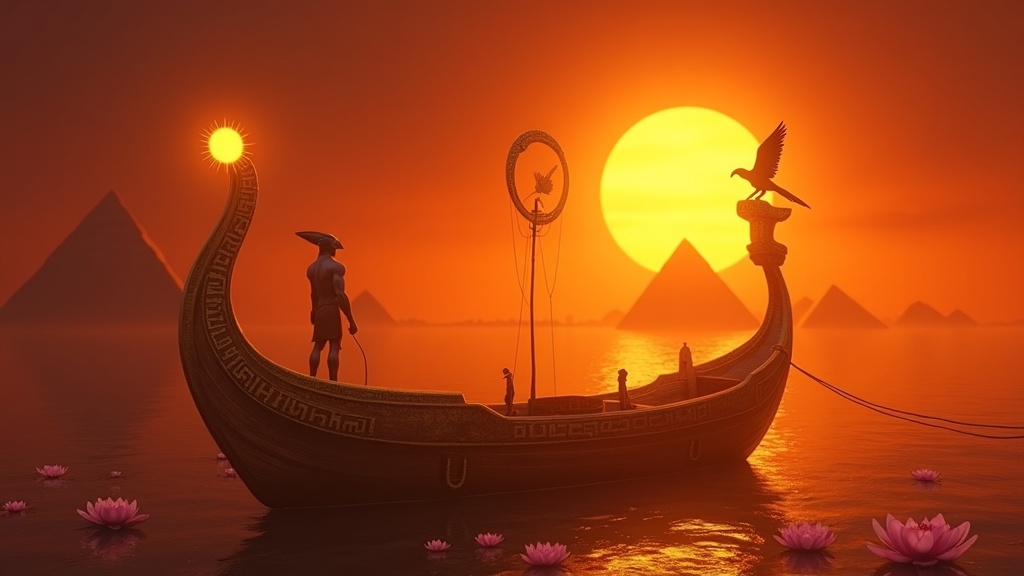
Ra the Sun God: Egypt's Supreme Ruler of Light and Creation
Ra, the ancient Egyptian sun god, blazed at the very heart of a civilization that worshipped light as the pulse of creation itself. Discover his origins, his many forms, and the sacred journey he took across the sky and through the underworld every single day.
Egyptian
The Ankh: Egypt's Eternal Symbol of Life
The ankh is ancient Egypt's most recognizable hieroglyph, a looped cross carried by gods and pharaohs alike as the very key to immortal life. Discover its origins, meanings, and sacred legacy.