
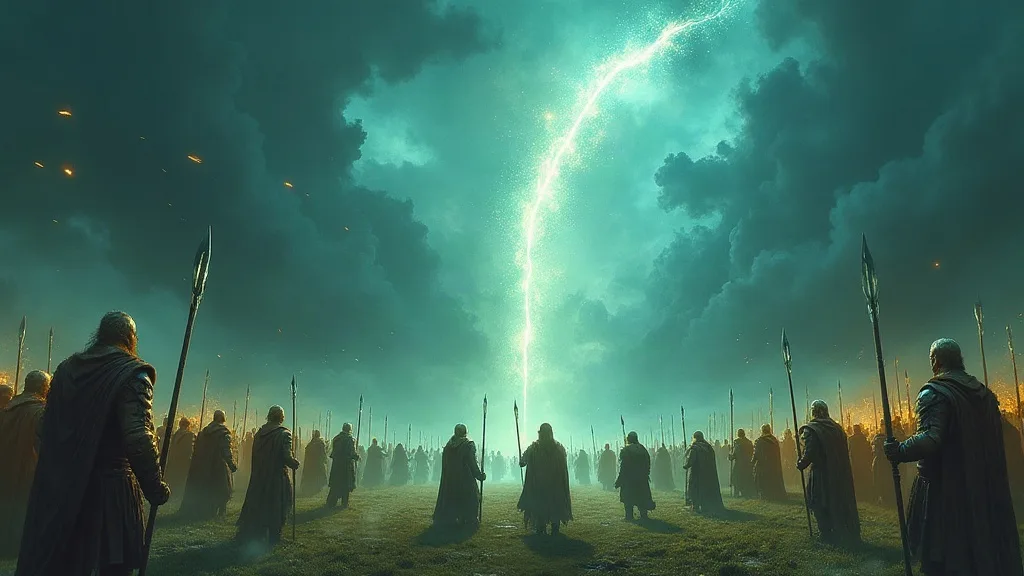
The Aesir-Vanir War: How Norse Gods Made Peace and Forged the Nine Realms
The Aesir and Vanir gods clashed in a cosmic war that reshaped the Norse pantheon and created the first magic in the Nine Realms. Discover what sparked the conflict, who led the divine forces, and how peace between rival pantheons changed everything.
Contents
How the War Began: Power and Prosperity Collide
The Aesir-Vanir War erupted when two divine powers collided. The Aesir, gods of war and sky, ruled Asgard with Odin at the helm. The Vanir, mysterious fertility deities from the south, brought magic and abundance. When the Aesir killed Gullveig, a Vanir goddess or giant-woman who embodied greed and gold, the Vanir demanded vengeance.
The Prose Edda, compiled by the 13th-century scholar Snorri Sturluson, tells this origin. Gullveig arrived in Asgard as if to seduce the Aesir with wealth. She thrice fell into the fire and thrice rose unburned. Enraged at her power and allure, the Aesir killed her. That murder lit the fuse. The Vanir saw it as a blood-debt that could only be paid with war.
This was not a petty squabble. It was a collision of two world-orders: the Aesir's hierarchical rule through force and strategy versus the Vanir's horizontal flow of fertility, magic, and abundance. The Aesir fought for dominion. The Vanir fought for recognition.
The First Siege: Walls Breached and Power Shaken
The conflict opened with Freyja, the Vanir goddess of love and war, striking the first blow. She crossed the rainbow bridge Bifrost and attacked Asgard's golden walls. The Aesir were unprepared. Their fortress, though mighty, had never faced unified Vanir magic.
Both sides wielded different weapons. The Aesir relied on Odin's spear Gungnir and the strength of Thor with his hammer Mjolnir. The Vanir brought seid, the old magic of shaping fate and weather. Freyja's magic especially unnerved the Aesir: she could see futures they could not predict.
The siege was brutal but indecisive. The Aesir's walls held, yet Freyja's attacks forced them to admit something uncomfortable: neither side could dominate the other. The Vanir's magic was too strange, too potent. The Aesir's might too entrenched. Every Aesir victory prompted a Vanir counter-strike. Every Vanir advance met Aesir steel.
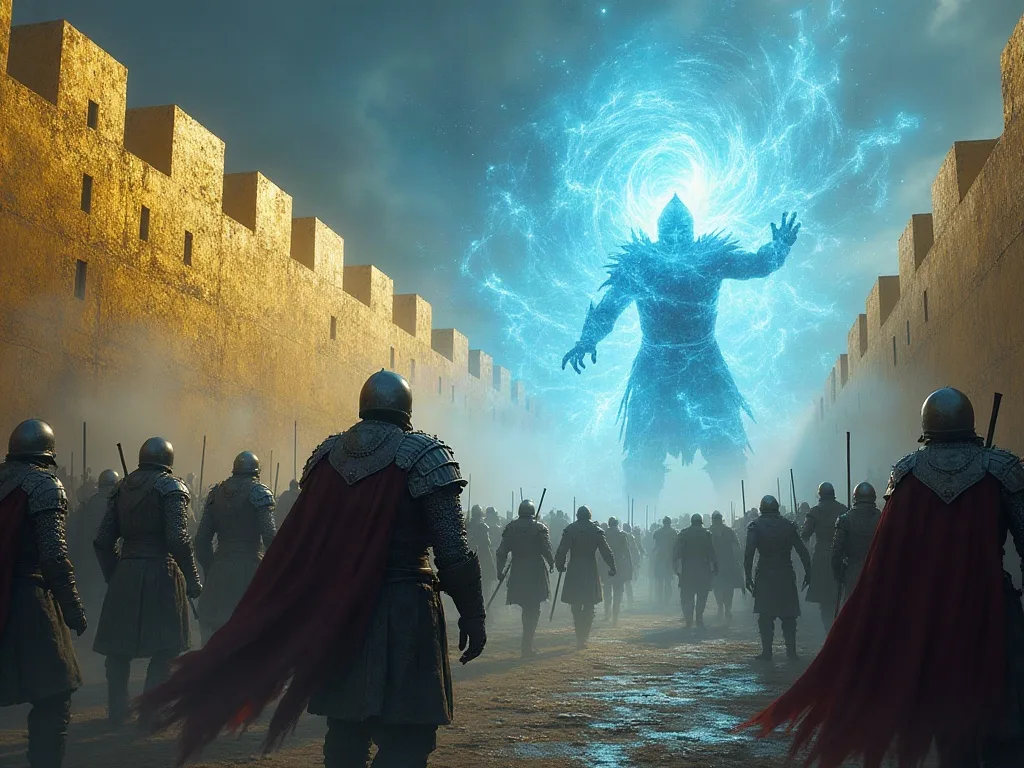
Weeks turned into months of stalemate. Resources drained on both sides. The Aesir could not breech the Vanir's defensive magic. The Vanir could not break Asgard's will. A standstill emerged, and in that silence, pragmatism whispered.
The Pact: When Gods Learn to Share Power
What happened next was unprecedented: the Aesir and Vanir chose negotiation over annihilation.
Odin and Freyja agreed to an exchange. The Vanir would send their finest to Asgard as permanent emissaries. The Aesir would do the same in reverse, sealing the deal with shared blood and sacred oaths.
The Vanir sent three deities. Freyr, Freyja's twin brother, went to Asgard as a hostage and eventually became beloved by the Aesir for his gentleness and generosity. He brought the Vanir gift of abundance: his presence guaranteed harvests and peace. Njord, god of winds and the sea, followed, bringing his children Freyr and Freyja with him. And Gullveig herself was reborn as Hyndla or reincorporated into Asgard's order, depending on the source, her power transformed rather than destroyed.
The Aesir sent Hoenir and Mimir in exchange. Hoenir was swift and comely, a skilled negotiator. Mimir carried ancient wisdom, his head later becoming an oracle that could answer any question. Their presence among the Vanir legitimized the accord.
The agreement was binding: both pantheons shared sacrifice, shared counsel, and shared the secrets of cosmic order. This was not surrender. It was synthesis.
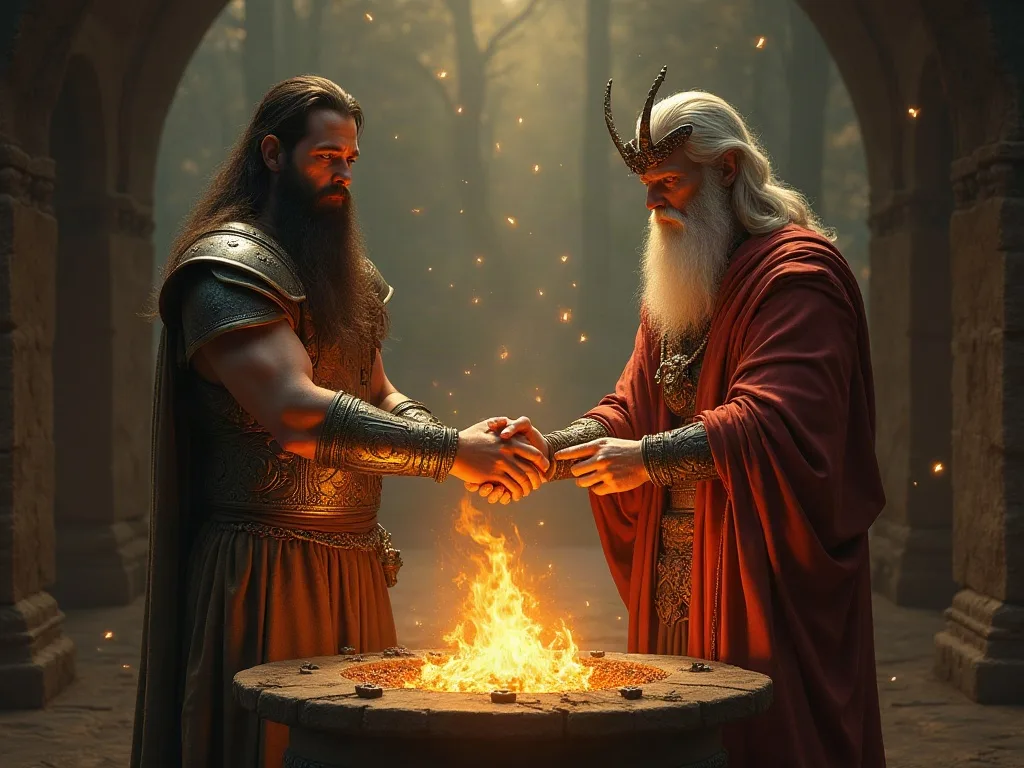
The Birth of Seidhr: Magic Flows Into the Aesir
The true prize of the Aesir-Vanir War was not territory but knowledge. The Vanir's seidhr, a form of magic foreign to the Aesir, passed into Asgard through the exchange.
Freyja herself taught seidhr to the Aesir. It involved rituals, trance-states, and communion with hidden forces. The magic could shift weather, weave fate, and pierce the veil between worlds. Before the war, the Aesir knew only martial prowess and Odin's galdr, the chanting magic of runes. Seidhr opened new doors.
Odin, hungry for all knowledge, seized on seidhr with fervor. He mastered it despite its association with femininity and the Vanir. His embrace of forbidden magic deepened his shamanic power but also marked him as an outsider among the Aesir, a god who crossed boundaries.
This influx of Vanir magic reshaped the Nine Realms. Fertility and fortune, previously seen as blessings that came and went, became something the Aesir could now shape and channel. Midgard, the realm of humans, benefited most: the alliance guaranteed that gods who understood growth and renewal would guide human affairs alongside gods of war and order.
Who Led: The Key Players in Divine Conflict
The war's leaders reveal its true nature. Odin, king of the Aesir, represented hierarchical power and cunning. He did not win the war by force but by recognizing that integration served him better than conquest. This revealed his true genius: adaptability.
Freyja stood as the Vanir's fiercest warrior. She wielded magic and blade with equal skill. Yet she was also a negotiator. The Prose Edda hints that she and Odin shared respect, perhaps attraction. Some scholars suggest she orchestrated the peace herself, growing weary of endless conflict.
Thor, the thunder god, embodied Aesir militancy. He pushed for total victory, trusting his hammer to crush any opponent. Yet even Thor bowed to the peace accord, recognizing that some enemies could not be defeated.
Freyr, though peaceful by temperament, bore the weight of being a hostage. His presence in Asgard was a daily reminder of the war's cost. He had to prove the Vanir were trustworthy. Over time, he became so beloved that many mortals forgot he was ever considered an outsider.
The Aftermath: A Reordered Cosmos
The Aesir-Vanir War did not simply end conflict. It created a new divine order.
The Nine Realms grew more complex. Where once the Aesir ruled with unchallenged authority, now fertility, magic, and fortune had equal standing in the cosmic hierarchy. Midgard, where humans dwelt, received the full attention of both pantheons. Harvests succeeded because Freyr blessed the fields. Warriors triumphed because Odin granted cunning. Lovers found joy because Freyja smiled on them.
The war also changed how the gods perceived themselves. Immortality no longer meant invulnerability. They could be wounded, frustrated, and forced to compromise. This humility would prove essential: it reminded the Aesir that they, like all beings, existed within a larger order. Ragnarok, the prophecy of the gods' downfall, loomed beyond their control.
Echoes in Other Mythologies: When Pantheons Merge
The Aesir-Vanir War is not unique. Similar conflicts appear across the world's mythologies, each revealing how cultures process the integration of different powers.
The Greek Titanomachy, where Zeus and the Olympians defeated the Titans, mirrors the Aesir victory. Yet unlike the Norse myth, the Greek version ended in outright conquest. The Titans were imprisoned in Tartarus, not integrated. This reflects a crucial difference: Greek culture valued hierarchy and dominance; Norse culture, though martial, placed more emphasis on negotiated order.
Hindu mythology offers another parallel. The Asuras and Devas, two divine forces, clashed repeatedly. Yet they also collaborated, sharing the cosmic sacrifice and the burden of maintaining dharma (cosmic order). Like the Aesir and Vanir, the Asuras and Devas were not truly enemies but rival forces that had to coexist.
Mesoamerican mythology shows a different pattern. The Hero Twins of the Popol Vuh defeated One Death and the lords of Xibalba, but the victory was individual heroism, not pantheon diplomacy. Yet the principle remains: one order must yield to another for the cosmos to be renewed.
The Norse choice to make peace was distinctive. It suggests a worldview where power is not a fixed quantity that one god steals from another, but a fluid thing that multiplies when shared.
The Hostage Exchange: Bonds Forged in Stone
The hostage exchange that sealed the treaty was more than diplomacy. It was a sacred act that bound the Vanir and Aesir at the deepest level.
Freyr's arrival in Asgard was initially tense. He was a stranger among enemies. Yet his nature was gentle. He gave gifts freely. He did not swagger or dominate. Over time, the Aesir realized the Vanir were not so alien after all. Freyr's generosity, his care for the land and its people, earned respect. Within a generation, he was woven into the Aesir story as if he had always belonged.
The Aesir emissaries to the Vanir faced similar trials. Hoenir struggled at first. Without Mimir beside him, Hoenir fell silent and indecisive. The Vanir grew frustrated. They suspected treachery. But Mimir, in whom wisdom resided, counseled patience. Eventually, Hoenir found his voice. He became a trusted figure among the Vanir, teaching them Aesir ways while learning their magic.
This exchange of persons created kinship. Blood oaths mingled Aesir and Vanir blood literally. Children born to mixed couples would have both lineages. Over time, the distinction between the two pantheons blurred. Some scholars argue that by the time the Eddas were written down, the war was already mythological memory, a sacred story explaining why gods bore both Aesir and Vanir traits.
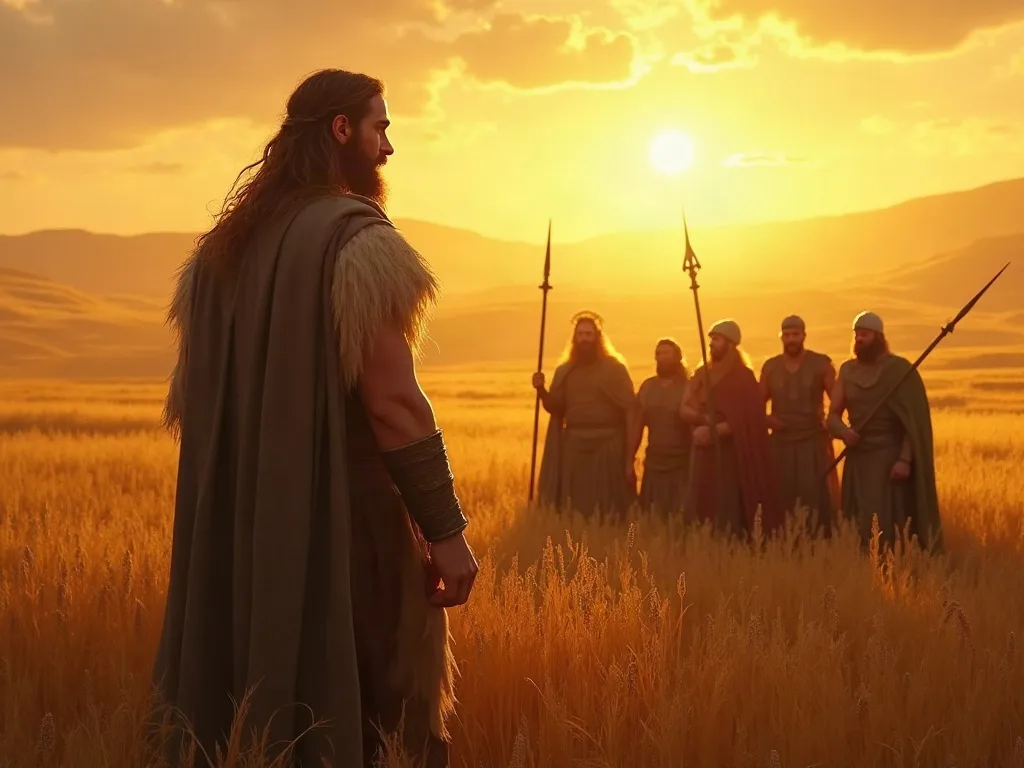
Scholarly Debates: Interpreting the War
Historians of Norse religion argue fiercely over what the Aesir-Vanir War represents historically.
One school holds that it reflects the collision of Indo-European warrior cultures (the Aesir) with pre-Indo-European fertility religions native to Scandinavia (the Vanir). The war, in this reading, is mythology's way of processing cultural fusion. When Germanic tribes invaded Norse lands, they encountered older religions. Rather than erase them, they absorbed them. The myth preserves memory of that integration.
Another school suggests the Aesir-Vanir division reflects social roles. The Aesir represent kings, warriors, and order-givers. The Vanir represent priests, farmers, and the sacred fertility that makes civilization possible. Every stable society needs both. The war myth teaches this interdependence.
A third view sees the myth as purely theological: a demonstration that even divine power has limits, and that cooperation often serves better than dominion. The Vanir are not separate gods brought from elsewhere but aspects of divine power that the Aesir initially rejected, then learned to embrace. Freyja's seidhr was always part of the cosmos; the Aesir simply had to learn to use it.
The Prose Edda and the Poetic Edda, our two main Norse sources, differ in emphasis. The Prose Edda frames the war as a historical event with clear causes. The Poetic Edda's "Voluspa" speaks of the war more cryptically, as part of the great cyclic rhythm of creation and destruction. Both accounts suggest that the war was real to the Norse mind, even if its historical grounding remains contested.
Why the Peace Mattered: Forging a Unified Divine Order
The Aesir-Vanir accord had consequences that rippled through the entire Norse cosmos.
First, it legitimized magic and fate-weaving as integral to the divine order. Before the Vanir arrived, the Aesir believed they controlled destiny through might and will. The war taught them humility: some forces cannot be conquered but must be understood and channeled.
Second, it established that even gods could bleed and fail. This sounds like defeat, but it was liberating. If the gods were not omnipotent, then human effort mattered. If gods could be surprised and forced to adapt, then humans could surprise them too. This belief shaped Norse heroism: a warrior could not rely on divine blessing to save them, so they had to fight with skill and honor.
Third, it unified the Nine Realms under a shared metaphysics. Midgard was no longer divided between Aesir and Vanir interests but served by both. Humans could pray to Odin for wisdom, to Thor for protection, to Freyr for harvest, and to Freyja for love, knowing that all these powers worked in concert.
Finally, it prefigured Ragnarok. The war showed that the cosmic order could be shattered and remade. This knowledge was both terrifying and oddly comforting. The gods themselves admitted that their reign would end. Yet from that ending, a new world would emerge. The Norse did not see history as linear progress but as cycles: death and rebirth, winter and spring, war and peace.
Frequently asked questions about the Aesir-Vanir War
Frequently asked questions
Why did the Aesir kill Gullveig, and was she truly evil?
The Prose Edda describes Gullveig as a figure of gold and greed, but later texts hint she may have been a Vanir goddess testing Aesir values. The Aesir killed her from fear and outrage, not from proven malice. This ambiguity is deliberate: the war's root cause was misunderstanding and cultural clash, not clear-cut evil. It mirrors how real wars often begin from suspicion rather than genuine threat.
How long did the Aesir-Vanir War last?
The Eddas do not specify a duration. Some scholars place it in mythological prehistory, before the creation of Midgard. Others suggest it was ongoing until the peace accord, lasting ages. The war may have been less a single conflict and more a prolonged tension that culminated in negotiated settlement. The Prose Edda emphasizes the accord itself rather than battle details.
What is seidhr, and why was it dangerous to the Aesir?
Seidhr was a form of prophecy and magic that involved trance-states, rituals, and manipulation of fate. The Vanir practiced it naturally. To the Aesir, steeped in martial culture, seidhr seemed alien and threatening. A warrior who relies on strength fears magic they cannot directly combat. Odin's mastery of seidhr elevated him spiritually but marked him as unusual among the Aesir, blurring gender roles and warrior codes.
Did the Aesir and Vanir remain separate after the war?
No. The hostage exchange, blood oaths, and shared sacrifices merged the two pantheons. By the time the Eddas were written, the distinction was largely mythological memory. Freyr and Freyja, though Vanir-born, were fully integrated into Aesir society. Later Norse religion treated them as simply gods, without faction.
How does the Aesir-Vanir War connect to Ragnarok?
The war showed that divine order is fragile and subject to change. Ragnarok extends this lesson: even the Aesir's reign is temporary. The peace forged between Aesir and Vanir foreshadows the cyclical worldview at the heart of Norse mythology. From destruction comes renewal. The war teaches that the cosmos survives by accepting change.
What primary sources describe the Aesir-Vanir War?
The Prose Edda, compiled by Snorri Sturluson around 1220 CE, gives the most detailed narrative. The Poetic Edda, a collection of anonymous Old Norse poems possibly older than Snorri's work, references the war in the "Voluspa" and "Havamal" sections. Both texts draw on oral tradition and earlier skalds' verses. No written account predates the 13th century, so the war's historical roots remain debated.
The War's Legacy: How Conflict Reshaped the Divine Feminine
The Aesir-Vanir War stands as one of mythology's most radical retellings of power. It did not end with victors lording over vanquished. Instead, it created a pantheon that accommodated contradiction: war and fertility, hierarchy and magic, masculine dominance and feminine sovereignty, all existing in permanent tension and creative balance.
This balance was not static. The presence of Freyja, a war-goddess among the Aesir, meant that feminine power and martial prowess could coexist. The integration of seidhr meant that prophecy and wisdom, associated with women and the old religion, became central to divine governance. Freyr's peace and generosity offered a counterweight to Odin's ruthlessness and cunning.
Later Norse writers recognized this. The skalds who composed kennings and skaldic verse after the Eddas were compiled drew heavily on Vanir imagery: Freyja's amber, Freyr's peace, the fertility tied to seasonal cycles. The war, they seemed to understand, was not just ancient history. It was a map for how the Norse saw themselves: a people who valued both the warrior's steel and the shaman's vision, both conquest and compromise.
In the end, the Aesir-Vanir War tells us that the deepest victories are not won by crushing opponents but by learning to live with them, to take what they offer, and to become something new in the process. The Nine Realms did not prosper because one pantheon defeated the other. They thrived because the gods chose to share power, wisdom, and fate itself.
Free 25-page sample
Want the whole story?
Take the first 25 pages free. If it pulls you in, the full edition is yours as an instant PDF download, with a paperback on Amazon for selected titles.

Mythology
The World Mythology Book: The Gods, Heroes and Myths of Every Culture
The Gods, Heroes and Myths of Every Culture, in One Volume
The whole of world mythology in a single volume: Greek, Norse, Egyptian, Japanese, Hindu, Celtic, Slavic, Mesoamerican and African myths gathered side by side, each drawn from the primary sources.