
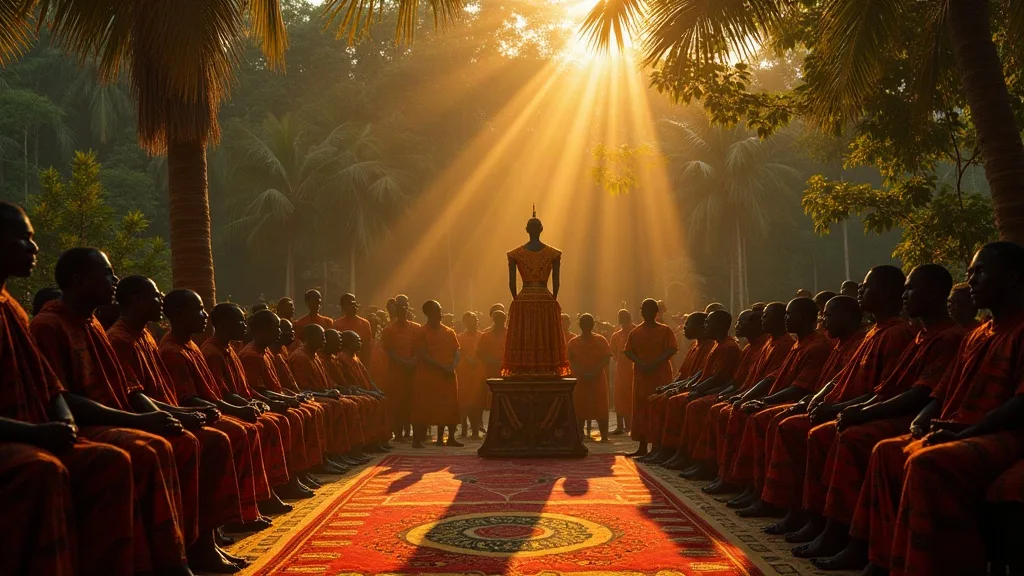
The Golden Stool of the Ashanti: Soul of a Nation Cast in Gold
The Golden Stool of the Ashanti is not a throne but the living soul of an entire people, conjured from the sky by a priest and guarded across centuries of war. Learn the full story.
Contents
The year was around 1701. A crowd stood in silence on the outskirts of Kumasi, the heart of what would become one of West Africa's most powerful kingdoms. Okomfo Anokye, the great priest of the Ashanti, raised his hands toward the sky. Witnesses later said that a wooden stool descended slowly from the clouds, settling into the lap of the new king, Asantehene Osei Tutu I. The stool was covered in gold. And nothing in the Ashanti world would ever be the same.
That object, which never touches the ground and has never once been sat upon, is The Golden Stool of the Ashanti, known in the Twi language as Sika Dwa Kofi. It is roughly 46 centimeters high, about 61 centimeters long, and 30 centimeters wide, studded with golden bells and ornaments. But the measurements matter less than what the stool contains: the sunsum, the collective soul and spiritual force of every Ashanti person, living and dead. To harm the stool is not to damage a piece of furniture. It is to wound an entire civilization at its core.
How Okomfo Anokye Called Down the Sky
The founding story of Sika Dwa Kofi is inseparable from the founding of the Ashanti Confederacy itself. Before 1701, the Akan-speaking clans of the forest region of modern-day Ghana were fragmented, many of them paying tribute to the neighboring Denkyira kingdom. Osei Tutu I, a visionary chief, wanted to unite them. He turned to his closest advisor: Okomfo Anokye, a okomfo (a Twi word meaning priest or medium) of extraordinary reputation.
Anokye reportedly told the assembled chiefs that the supreme sky god, Onyame, had decided to give the Ashanti a sign of divine favour. On the appointed day, with drumming and the chanting of sacred words, the stool came down from the heavens, landing on Osei Tutu's knees. Anokye then proclaimed that the sunsum of every Ashanti person, then alive or yet to be born, had been captured inside the stool. The nation was now one body, one soul.
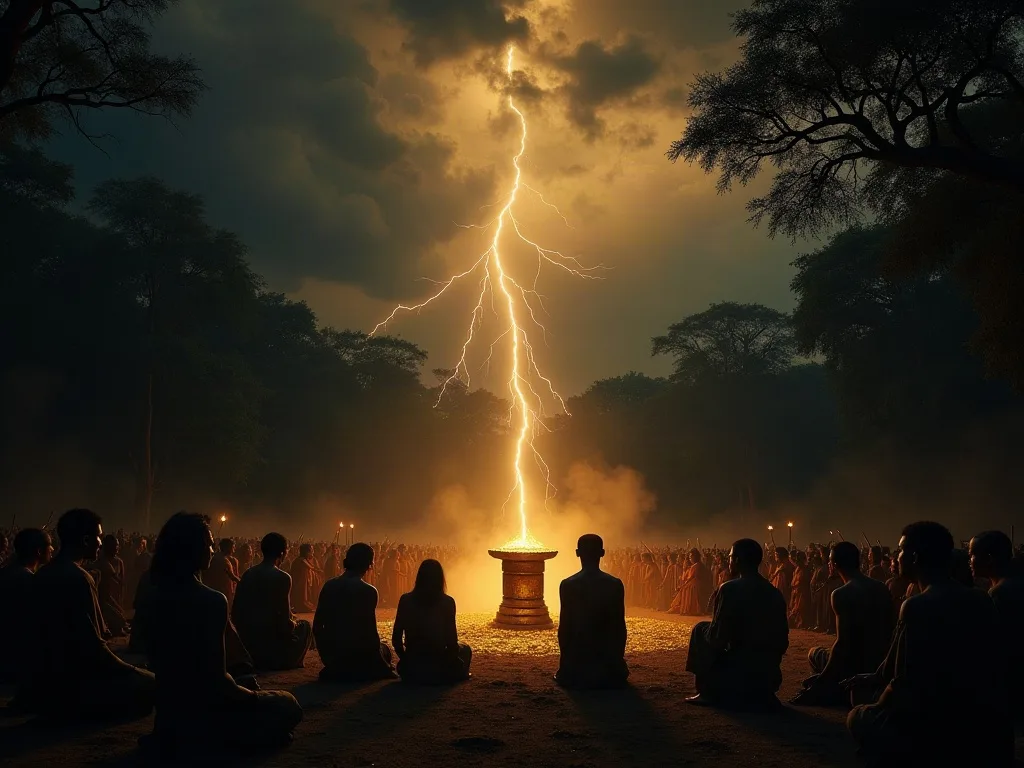
The chiefs who had gathered were asked to bury objects beneath the earth: fingernail clippings, hair, soil from their own territories. These offerings sealed the covenant between the clans and the stool. From that moment, the Ashanti Confederacy existed not merely as a political alliance but as a spiritual community. Betrayal of the confederacy meant cutting off one's own soul.
Anokye also reportedly said that if the stool were ever captured, destroyed, or dishonoured, the Ashanti nation would dissolve. This was not a metaphor in Akan cosmology. It was a straightforward statement of fact about how the universe works.
The Akan Understanding of the Soul
To understand why the stool matters so deeply, you first have to understand how the Akan people conceive of the self. In Akan thought, every person carries several spiritual components. The kra is the individual life force, given directly by Onyame and returned to him at death. The sunsum is closer to personality, character, the force that acts in the world. And the mogya, meaning blood, traces matrilineal descent and connects a person to their lineage.
The stool in Akan culture is the seat of the sunsum. Every family keeps wooden stools. When a person dies, their stool is blackened with soot and fat and placed in the stool house as an ancestral shrine. The sunsum of the deceased lingers there, available for prayer and consultation. Chiefs and queens receive elaborately carved stools as emblems of their office. When a chief is installed, he is lowered three times toward his stool without actually sitting on it, because the stool holds something more than any single body can.
The Akan spiritual worldview scales this logic from the personal to the national. The Golden Stool concentrates the sunsum not of one person but of the entire Ashanti people. Every Ashanti birth adds to its weight. Every Ashanti death is absorbed into it. It is both monument and living organism.
War, Resistance, and the Stool That Would Not Break
The stool's greatest test came not from an enemy army but from a British colonial administrator named Frederick Hodgson. In March 1900, Hodgson sat before the chiefs of Kumasi and delivered a speech that still echoes in Ghanaian memory. He demanded that the Ashanti produce the Golden Stool so that he could sit on it as the representative of Queen Victoria.
The silence that followed was not diplomatic hesitation. It was shock. Hodgson had apparently misunderstood everything: the stool was not a throne. No one sat on it, not even the Asantehene. To demand it was to demand the surrender of the Ashanti soul to a foreign power. Within weeks, Queen Mother Yaa Asantewaa of Ejisu, one of the most powerful women in Ashanti history, rallied the chiefs who had grown reluctant to fight. Her words, as recorded in oral tradition, were direct: if the men would not fight, the women would.

The War of the Golden Stool, also known as the Yaa Asantewaa War, began in April 1900. For months, Ashanti forces besieged the British fort in Kumasi, trapping Hodgson and his garrison. The British eventually brought reinforcements and crushed the uprising by September. Yaa Asantewaa was captured and exiled to the Seychelles, where she died in 1921. The Ashanti were formally annexed into the British Gold Coast colony.
But the British never found the stool. It had been hidden. The defeat was real; the soul remained intact.
A Narrow Escape: The Theft of 1921
The stool's most dangerous moment came from an unexpected quarter: its own protectors. In 1921, a group of workers hired to carry the stool stumbled across it hidden near Kumasi. Some accounts say they were road construction laborers; others say they were Ashanti men acting opportunistically. They stripped several of the golden ornaments from the stool, apparently to sell them.
When the theft was discovered, the outrage across Ashanti society was immediate and profound. The Ashanti chiefs convened an emergency tribunal. Several of those responsible were tried and sentenced to exile or death. The British colonial government, caught between its legal authority and the explosive mood of the territory, intervened to commute the death sentences, though the exile sentences stood.
The incident had an unexpected consequence. The colonial administration had for years tried to claim authority over Ashanti religious objects. The passion with which ordinary Ashanti people responded to the desecration of the stool made it undeniably clear: this was not colonial property, not a historical artifact, not an object that could be placed in a museum. It was alive, in the most serious sense the Akan language possesses for that word.
What the Stool Looks Like, and What It Does Not Do
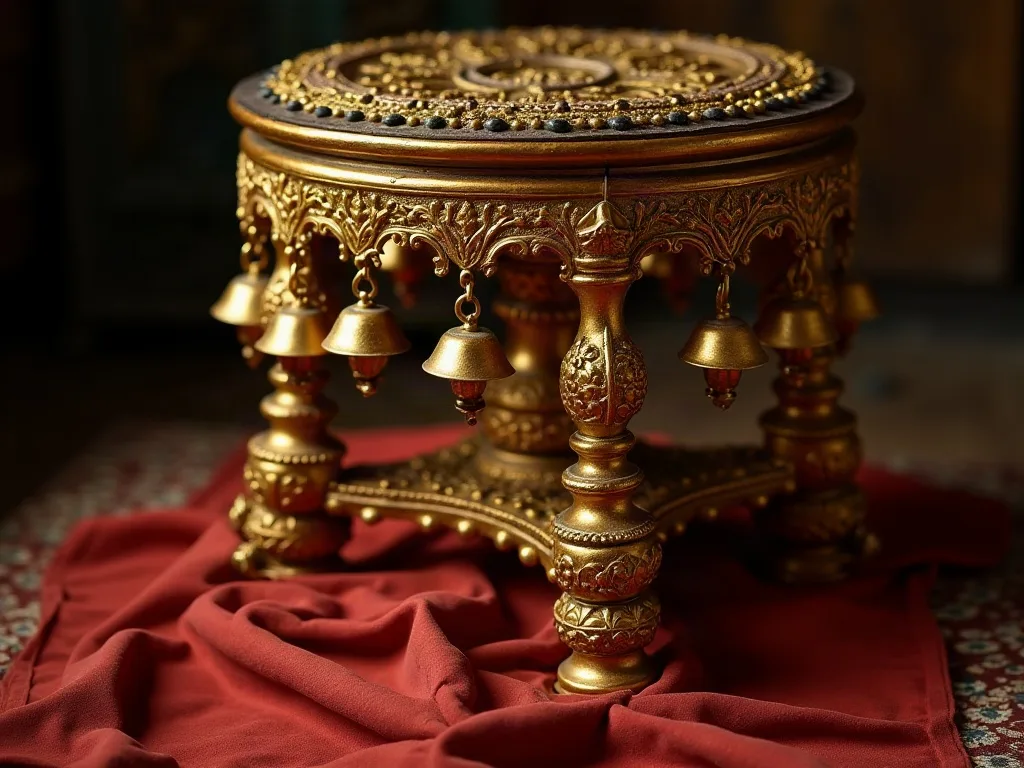
Physically, the Sika Dwa Kofi is a wooden stool coated in gold leaf and gold sheets. It sits on a throne-stool of its own during public ceremonies. Along its base and crescent-shaped seat hang small golden bells, and various golden ornaments have been added over the centuries. Some of these are trophies: golden effigies made from the melted-down regalia of defeated enemies, physically attached to the stool as proof of Ashanti victories.
The stool is never placed directly on the floor. A special cloth or mat is laid first, and sometimes a separate low stand. It travels in a covered palanquin. During ceremonies, it may appear beside the Asantehene, who is himself carried and who never touches the ground with his sandaled feet during formal occasions - another echo of the same logic that protects the stool. Sacred things must not be grounded.
The stool's public appearances are rare and heavily managed. Most Ashanti alive today have never seen it directly. Its power does not depend on visibility. It depends on existence.
The Stool in Akan Political Philosophy
The Akan political system that grew up around the stool is one of the most sophisticated pre-colonial governance structures in African history. Akan mythology encodes a theory of legitimate authority that is deeply different from European divine-right monarchy.
In European tradition, a king's authority typically flows downward from God through the monarch to the people. In Ashanti political thought, the Asantehene does not own the stool. He is its custodian. His authority flows from the stool, which belongs to the nation, which is constituted by the collective sunsum of the people. If a king behaves in a way that dishonours the stool, he can be "destooled," a formal process by which the chiefs withdraw their recognition. Destoolment is not symbolic removal from office. It is a spiritual severance.
This idea, that the ruler serves the soul of the nation rather than owning it, is embedded in the very story of Sika Dwa Kofi's creation. The stool was not given to Osei Tutu I personally. It descended into his lap as a signal that Onyame had chosen this moment and this community. The king was the occasion, not the owner.
Comparative Echoes Across the Ancient World
The concept of an object that houses the collective soul of a people is not unique to the Ashanti, though few cultures have expressed it with such precision. In ancient Egyptian mythology, the ka of the pharaoh was understood to be the vital force of Egypt itself; harm to the king's spiritual double was harm to the Nile's fertility and the kingdom's cohesion. The sacred palladium of Troy, a wooden image of the goddess Athena, was said to guarantee the city's survival as long as it remained within the walls. When Odysseus and Diomedes stole it, Troy fell.
The Ark of the Covenant in the Hebrew Bible functions with similar logic: a physical container for the presence and covenant of God, carried before armies, housed in the Temple, and catastrophic to touch without authorization. The parallel is not coincidence; it reflects a widespread human intuition that communities need a sacred center, something that makes the group more than the sum of its individuals.
What distinguishes Sika Dwa Kofi is the directness of its theology. The Ashanti do not say the stool represents the nation, or symbolizes it, or reminds people of their shared identity. They say it contains the nation's soul. The grammar is literal, not figurative.
The Stool After Ghanaian Independence
Ghana gained independence in 1957 under Kwame Nkrumah. The relationship between the new republic and the Ashanti kingdom was complicated from the start. Nkrumah, a Pan-Africanist who distrusted ethnic power centers, saw the Asantehene's authority as a potential rival to the national government. He placed restrictions on traditional rulers and, at various points, curtailed the public role of Ashanti institutions.
The stool, however, proved too deeply embedded in popular sentiment to suppress. Successive Ghanaian governments have learned to negotiate with Ashanti tradition rather than override it. Today, the Asantehene is both a traditional ruler under Ghana's constitutional structure and one of the most influential figures in the country, presiding over a kingdom of several million people.
The Sika Dwa Kofi continues to appear at the great ceremonies of the Ashanti calendar, most notably at the Akwasidae, a festival held every 42 days in the Ashanti calendar when the ancestors are honored and the stool is brought near the Asantehene in a formal durbar. These are not historical reenactments. They are active spiritual practice, the continuing care of a living national soul.
Frequently asked questions about The Golden Stool of the Ashanti
Frequently asked questions
Has anyone ever sat on the Golden Stool?
No. The Sika Dwa Kofi has never been sat upon by any person, including the Asantehene. In Akan belief, the stool holds the collective sunsum of the Ashanti people, and sitting on it would be an act of spiritual violence against the entire nation. During ceremonies, it rests on its own elevated support beside the king.
Where is the Golden Stool kept today?
The exact location of the stool is not publicly disclosed, as a deliberate security and spiritual precaution rooted in centuries of practice. It is kept within the Ashanti kingdom under the protection of the Asantehene's household and appears at major ceremonial occasions, particularly the Akwasidae festival held in Kumasi.
What did the British actually want with the Golden Stool in 1900?
Governor Frederick Hodgson made his demand in March 1900 under the mistaken assumption that the stool was simply the Ashanti royal throne, a symbol of political authority that transferring to British custody would complete the conquest. He did not understand that it was a sacred object believed to contain the collective soul of the Ashanti people, not a piece of royal furniture. The demand triggered the Yaa Asantewaa War.
What is the Twi word for the Golden Stool and what does it mean?
The stool is called Sika Dwa Kofi in Twi, the primary language of the Akan people. Sika means gold, dwa means stool, and Kofi is a day-name given to males born on Friday, which in Akan culture carries associations with the spiritual and the sacred. The name can be roughly translated as "the sacred golden stool born on Friday."
Is the Golden Stool made entirely of solid gold?
No. The core structure is carved wood, covered in gold leaf and gold sheet. Over the centuries, golden ornaments, bells, and trophy pieces (some made from melted-down regalia of defeated enemies) have been attached to it. The 1921 theft incident involved the removal of some of these ornamental pieces, which were later accounted for and partially restored.
How does Ashanti destoolment work, and is it connected to the Golden Stool?
Yes, directly. Because the Asantehene holds the stool in trust for the nation rather than owning it, the chiefs who represent the people retain the right to remove a king who dishonours that trust. This process, called destoolment, is a formal withdrawal of spiritual and political recognition. Several Asantehenes have been destooled in Ashanti history. The stool remains; the king changes.
The Stool as a Living Argument About Sovereignty
What makes Sika Dwa Kofi remarkable, beyond its beauty and its history, is the argument it has made continuously for over three centuries. It argues that sovereignty belongs to a people's soul, not to any individual ruler or colonial power. When Frederick Hodgson demanded the stool, he did not understand that the Ashanti had already resolved, in 1701, the very question that European political philosophers were still debating: where does legitimate authority come from?
The Ashanti answer was given not in a text or a treaty but in a story about a stool that fell from the sky. Authority comes from the collective spiritual life of the community, from the sunsum of every person who has ever been Ashanti. It cannot be taken by force because it is not a thing that can be held by an army. It can only be maintained by those who belong to it.
Modern scholars of African political thought, including Kwasi Wiredu, have argued that Akan political philosophy represents a genuinely distinct tradition of governance, one built on consensus, on spiritual accountability, and on the idea that the ruler's legitimacy is always conditional on the welfare of the people. The Golden Stool of the Ashanti is the most vivid physical expression of that philosophy in the world. It sits in Kumasi, quiet and golden, neither touching the ground nor being touched by hands that would use it for power. It waits, as it has always waited, for the people it contains to come and remember themselves.
Read the full book
Want the whole story?
The complete edition is an instant PDF download here, with a paperback on Amazon for selected titles.
Akan
The Akan Mythology Book: Anansi, Nyame, and the Gods of West Africa
Anansi, Nyame, and West Africa
From the Ashanti and the gold coast of Ghana: Nyame the sky god, Asase Yaa the earth, the abosom spirits, and Anansi the spider, the trickster who bought all the world’s stories from the sky and whose tales crossed the Atlantic with the enslaved.
More from Akan
All articles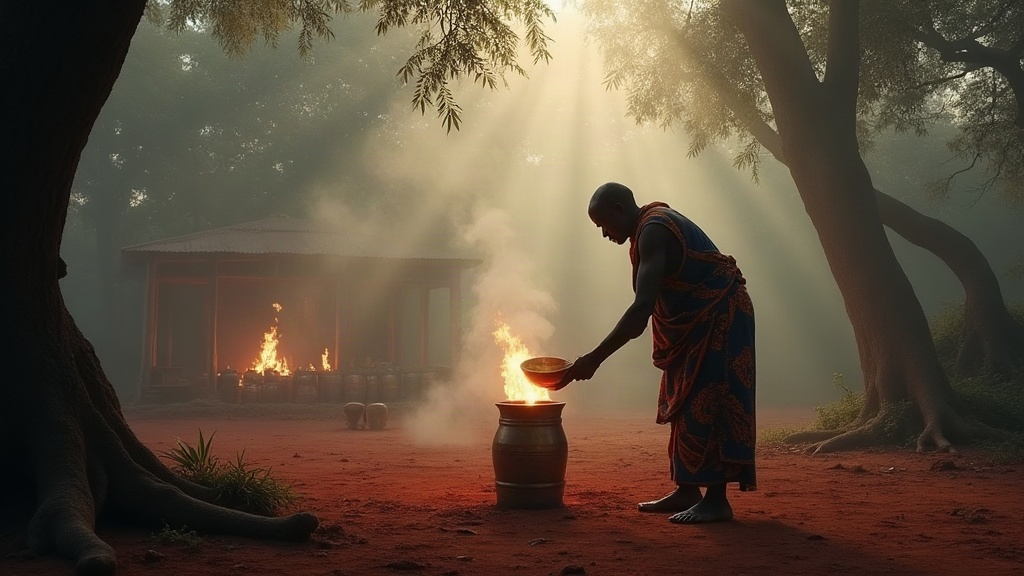
Akan
Odwira Festival: Purification and Ancestral Rites in Akan Tradition
The Odwira Festival is Akan Ghana's ceremonial cleansing where communities honor ancestors and gods, purging the year's sorrows before harvest. Rooted in sacred kingship and the bond between living and the dead, Odwira binds generations through ritual fire, feasts, and the renewal of covenant.

Akan
Sasabonsam: The Forest Monster of Akan Lore
In the dense forests of Ghana and Ivory Coast, the Sasabonsam stalks the darkness. This powerful forest creature from Akan mythology embodies the dangers lurking beyond the village boundary.
Akan
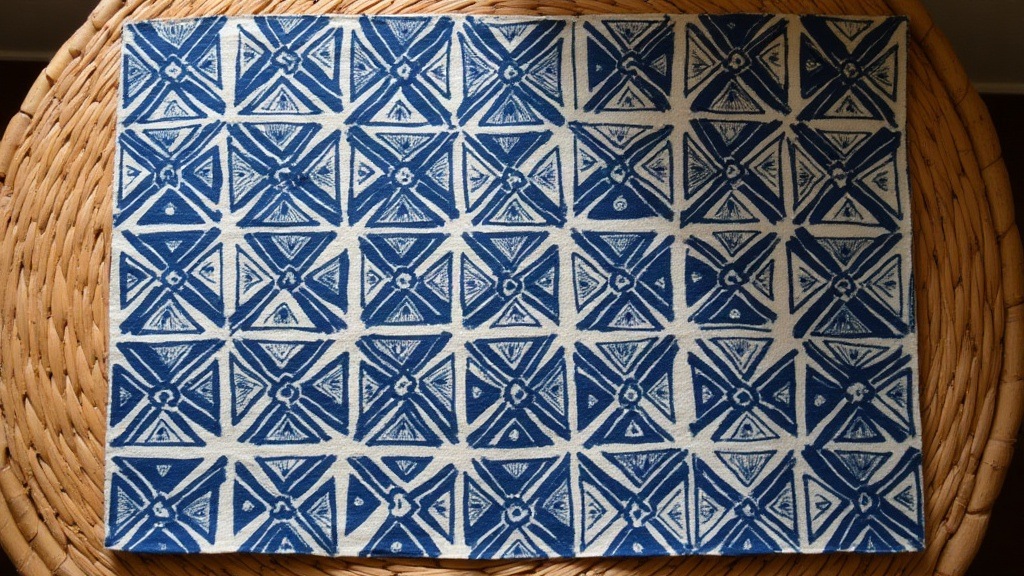
Adinkra Symbols: Visual Proverbs of Akan Wisdom
Adinkra symbols encode centuries of Akan thought into geometric patterns, each a visual proverb that teaches virtue, warns against folly, and connects the living to ancestral wisdom. Discover the stories and spiritual power behind these iconic marks.
Akan
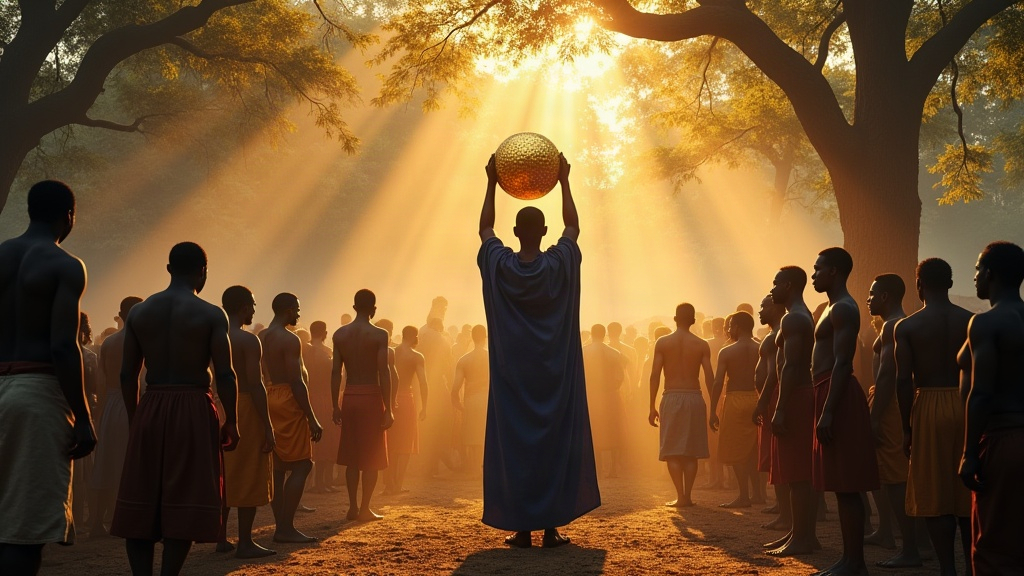
Okomfo Anokye: Legendary Priest and Nation-Builder
Okomfo Anokye unified the Ashanti people through spiritual authority and political vision. Discover how a legendary priest transformed fragmented chiefdoms into a continental empire that challenged European powers.