

Sila: The Breath of Life and Weather Spirit
Sila is the Inuit spirit of weather, breath, and life force itself, a boundless presence that moves through air and water, sustaining hunters and demanding respect. Discover how Arctic peoples understood this invisible power that controlled their survival.
Contents
The hunter knows when Sila is displeased. A sudden wind rises from nowhere, clouds swallow the sun, and the ice beneath his kayak groans. His breath comes harder. He feels watched, pressed by an invisible weight. This is not mere weather. This is Sila, the Inuit spirit whose very name means "weather" and "air" and "life" all at once, a force that cannot be pinned down or owned, only respected and obeyed.
Sila is one of the most elusive spirits in Inuit belief. Unlike gods with fixed forms or names, Sila exists everywhere and nowhere. It is the breath in your lungs, the wind over the tundra, the storms that scatter seal herds, the calm that lets hunters return home. To the Inuit of Greenland, Canada, and Alaska, Sila was not a distant deity but a living presence, sometimes generous, often punishing, always inscrutable.
The Nature of Sila: Breath and Weather as One Force
The word Sila carries multiple meanings, and each one reveals how Inuit peoples understood the fabric of existence. To the Kalaallit (Greenlandic Inuit), Sila meant weather, climate, and the great spirit controlling it. To the Inuinnait (Caribou Inuit) and Inupiat of Alaska, it meant the soul of the air itself, the breath that animates all living things.
This was not abstract philosophy. It was survival knowledge encoded in spiritual language. The Inuit lived in one of Earth's harshest environments, where weather could mean the difference between a full belly and starvation. When a storm rolled in, it was not random chance. It was Sila making a move, expressing something that the community had to understand and answer to.
Sila was typically understood as neither male nor female, though some accounts refer to Sila with masculine pronouns. More importantly, Sila had no body in the way that spirits like Tupilak had bodies. Sila could not be drawn, carved, or directly invoked through ritual the way a hunter might call to Silap Inua, the Master of the Weather (a related but distinct spirit-force). Instead, Sila was a presence felt through its effects: the howl of wind, the weight of incoming cold, the sudden clarity of a perfect hunting day.
Sila as Life Force and Individual Breath
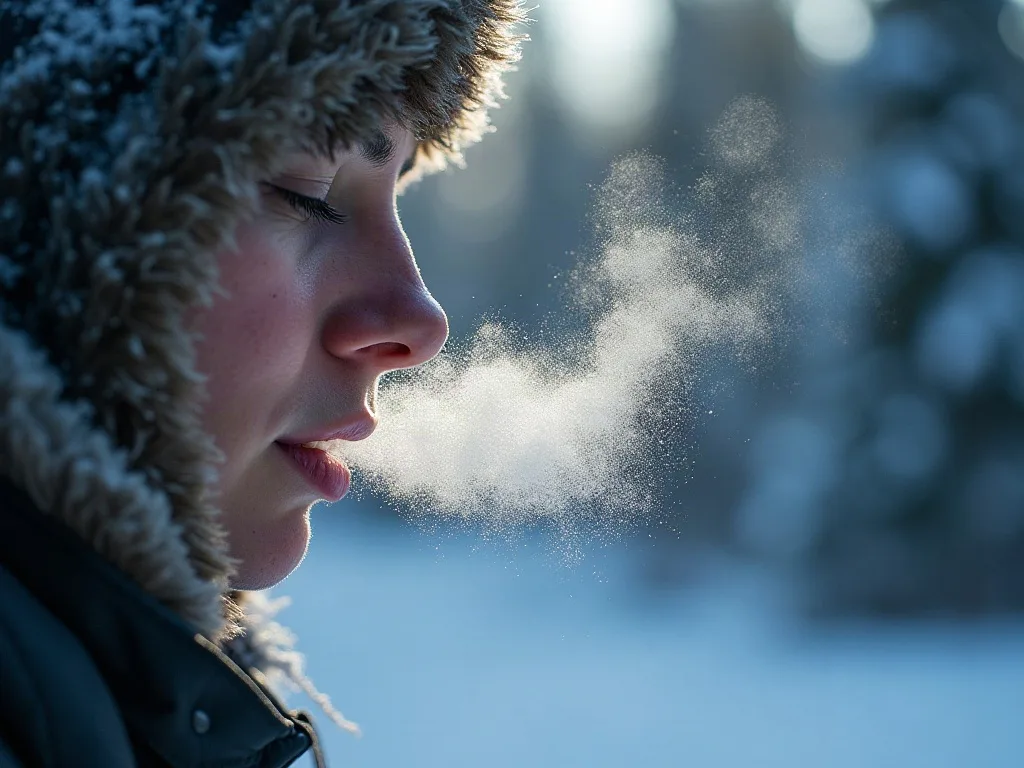
Beyond weather, Sila held a second meaning that cut to the heart of Inuit spirituality: the breath of life itself, the invisible principle that made a person alive rather than dead.
The Inuit understood that breath was continuous movement, air flowing in and out of the body. This flowing quality matched the restless, moving nature of weather and spirit. When a person breathed their last, Sila left them. When a child was born, Sila entered. Some Inuit peoples believed that Sila could move from person to person, living in one body, then leaving, then inhabiting another. A healer might speak of drawing Sila from a sick person to restore balance, or of calling Sila back when it had fled a dying relative.
This animating force was not individual or personal. It was not "your" breath that belonged to you alone. It was part of a greater invisible ocean of life-force that surrounded and permeated all living things. When you breathed, you were connected to the weather, to the animals you hunted, to the land, to the sky. Breaking a hunting taboo did not just anger a spirit, it disrupted the proper flow of Sila itself, chilling the air between hunter and prey, stealing the luck that allowed a kill.
The relationship between breath and weather made sense in the Arctic. Cold air cuts breath short and sharp. Wind steals warmth from the body, literally pulling life away. Calm air means you can breathe easy, hunt far, return safely. Sila was both the physical reality and the spiritual truth wrapped together.
Sila's Temperament: Generous and Terrible
Sila was not worshipped in the way that many spirits were appeased through offerings or ritual. There were no statues, no drums beaten in Sila's name, no shamans dancing themselves into trance to speak for Sila. Instead, the Inuit relationship with Sila was one of constant attention and respect.
When Sila was content, it gave the gifts of survival. Clear skies meant good visibility for spotting seals at breathing holes. Mild winters meant less suffering, more successful hunts. A calm day at sea could mean the difference between a full kayak and a hunter lost to waves. These gifts came not from Sila's generosity so much as from the simple absence of Sila's anger.
But Sila's anger was real and immediate. A sudden blizzard, a wind that drove kayakers into rocks, a cold snap that froze the breathing holes and scattered the seal herds, these were signs that something in the human community had offended Sila. The offense might be a broken taboo (eating meat and fish at the same meal, for instance), a failure of respect toward a killed animal, or sexual transgression. These were not moral failings in the abstract sense. They were breaks in the proper order of things, disruptions that rippled outward and chilled the relationship between the living world and Sila.
When such offense occurred, the community had to respond. A shaman might perform a healing ritual, drawing out the sickness from someone afflicted by Sila's withdrawal. The person who had broken the taboo might confess publicly, and the community would perform cleansing rituals. The goal was not to appease Sila through sacrifice or prayer, but to restore the broken order so that Sila would naturally return to blessing the land.
Sila in Greenlandic and Eastern Arctic Belief
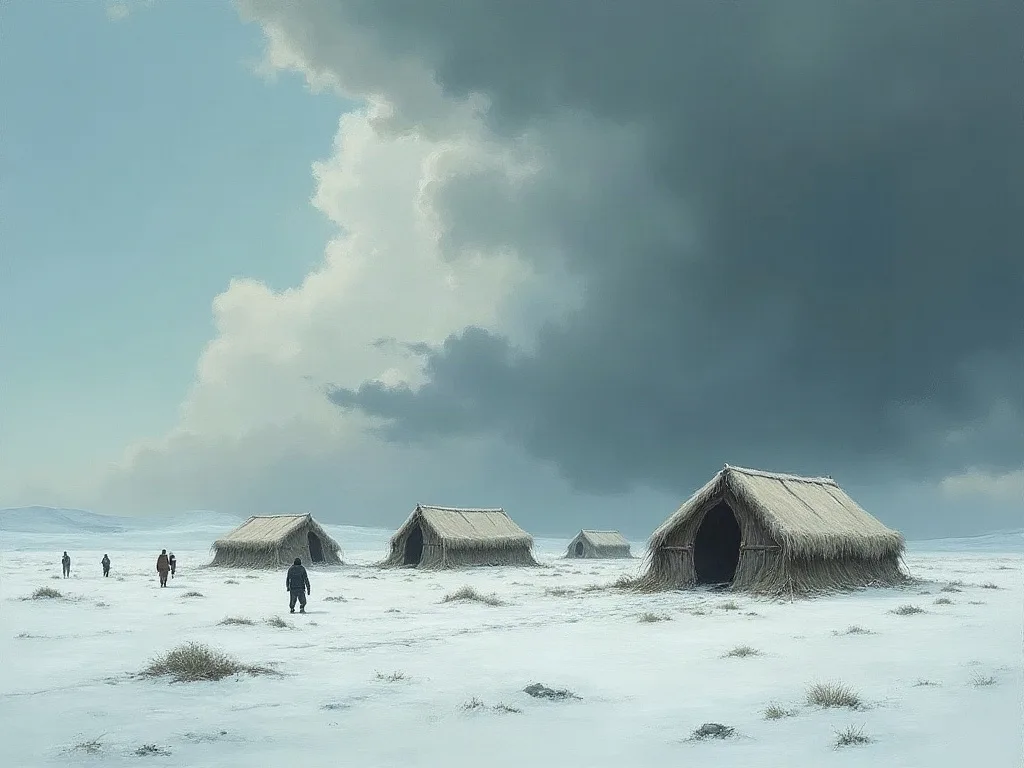
The Kalaallit (Greenlandic Inuit) developed particularly rich theological understandings of Sila, partly due to their longer documented history with European observers. In Greenland, Sila was understood as the supreme spirit of nature, standing above many other tupilak and inua (singular spirit powers) in importance.
The Greenlandic concept held that Sila could act through weather not arbitrarily, but in response to human transgression. A woman in childbirth who suffered complications, a hunter who fell through ice, a child struck by sudden illness, these misfortunes were often diagnosed by shamans as the result of broken taboos drawing Sila's punishment. The shaman's role was partly to identify the broken rule and partly to negotiate Sila's return to favor.
This made Sila fundamentally different from malevolent spirits like Tupilaks, which could be sent with intent to harm. Sila's punishment was more impersonal. It was the automatic consequence of disorder, not a calculated attack. A hunter who failed to show proper respect to a seal he had killed might not be directly targeted by Sila, but Sila's presence would withdraw, and the next seal hunt would fail. The ice would crack. The weather would turn. The subtle withdrawal of luck was itself the punishment.
In Greenland's mountainous fjords and long winters, this theology made sense. The land was beautiful but unforgiving. Sila's nature reflected that reality: not evil, not good, but utterly indifferent to individual suffering unless the suffering was the deserved consequence of broken order.
Sila and the Master of Animals
Sila operated alongside other major spirits in the Inuit cosmos, though it was often understood as more fundamental. Where Silap Inua (the Master of the Weather) could be appealed to with shamanic ritual and sometimes even bargained with, Sila was beyond negotiation. It was the ground itself on which all other spiritual dealings took place.
Similarly, the masters of specific animals, the seal's inua, the whale's inua, the caribou's inua, each presided over their kind and could grant or withhold a good hunt. But Sila stood above even these specialized spirits. If Sila was displeased, no amount of respectful treatment toward an individual animal's spirit would bring luck. The seal master might grant seals freely, but Sila could wreck the ice and scatter the herd before a hunter came near them.
This hierarchy made Sila less a character in myth and more a principle: the foundation on which all other spiritual relationships rested. Breaking a taboo toward animals offended their individual inua. Breaking taboos toward the fundamental order of life and community offended Sila itself, the breath and weather that held everything together.
Taboos, Illness, and the Withdrawal of Sila
One of the clearest windows into how Inuit peoples understood Sila comes from the extensive records of taboos and their consequences. These were not arbitrary rules or superstitions. They were maps of the proper order that kept Sila present and benevolent.
Food taboos were particularly important. Many Inuit groups prohibited the mixing of sea and land animals in the same cooking pot or even the same meal, seal and caribou could not be eaten together without offending Sila. The logic was spiritual but also practical: sea mammals and land animals inhabited different realms, and mixing them violated the boundaries that kept those realms stable. When boundaries were broken, Sila withdrew, and the land became cold and unwelcoming.
Menstrual taboos also existed across Inuit cultures. Women in menstruation were often kept separate during this time, not from disgust but from the understanding that menstruation was a time of heightened spiritual power and vulnerability. It was a time when Sila itself was closer to the surface of a woman's body, more accessible but also more dangerous. Improper handling during this period could offend Sila, bringing storms or illness to the family and community.
Sexual transgressions carried similar weight. An adulterous affair, fornication before marriage, or improper sexual contact could anger Sila, drawing down illness or bad weather. The offense was not to some distant moral god but to the proper order of life and relationship. When order broke down, Sila responded by withdrawing its gifts, health, calm, successful hunting, the smooth continuation of life.
A person afflicted by Sila's withdrawal often suffered what European observers called "hysteria" or "Arctic hysteria," but which was understood as a genuine spiritual illness: the person might become paralyzed, mute, or seized by violent trembling. A shaman would then work to restore the person by identifying the broken taboo, compelling the offender to confess, and then performing rituals to call Sila back.
Sila in Creation and Cosmology
While Sila was not typically the subject of creation myths in the way that some cultures had creator deities, Sila held a cosmological importance that amounted to something similar. The universe operated through Sila, it was the medium of existence, the breath of life, the weather that defined the seasons, the wind that carried souls and spirits.
Some accounts suggest that before the world took its current form, before animals had their individual masters and spirits had their familiar roles, Sila existed as the raw, undifferentiated power of nature itself. As the cosmos developed structure and order, Sila became the principle that maintained that structure. Without Sila's presence, the world would become chaos: eternal storm, endless cold, the dissolution of all distinction between living and dead, hunt and hunted.
In this sense, Sila was not a creator but a sustainer, the force that held the cosmos in its shape and allowed life to persist. The Inuit cosmos was not understood as created once and then left to run on its own. It was understood as continuously maintained by invisible forces, chief among them Sila, which had to be kept in proper relationship through respect, taboo-keeping, and correct behavior.
Sila in the Modern World and Colonial Translation
When European missionaries and anthropologists arrived in the Arctic, they struggled to fit Sila into European theological categories. Some early accounts tried to identify Sila with the Christian God, a universal, invisible, all-powerful force. Others dismissed Sila as a mere weather spirit, a personification of natural phenomena rather than a genuine deity.
Both interpretations missed something essential. Sila was neither God nor simple personification. It was an understanding of how the invisible world of spirit and the visible world of weather, breath, and survival were actually one continuous reality. The Inuit had no word for "nature" separate from "spirit." There was only the living, breathing cosmos and the invisible forces that made it work.
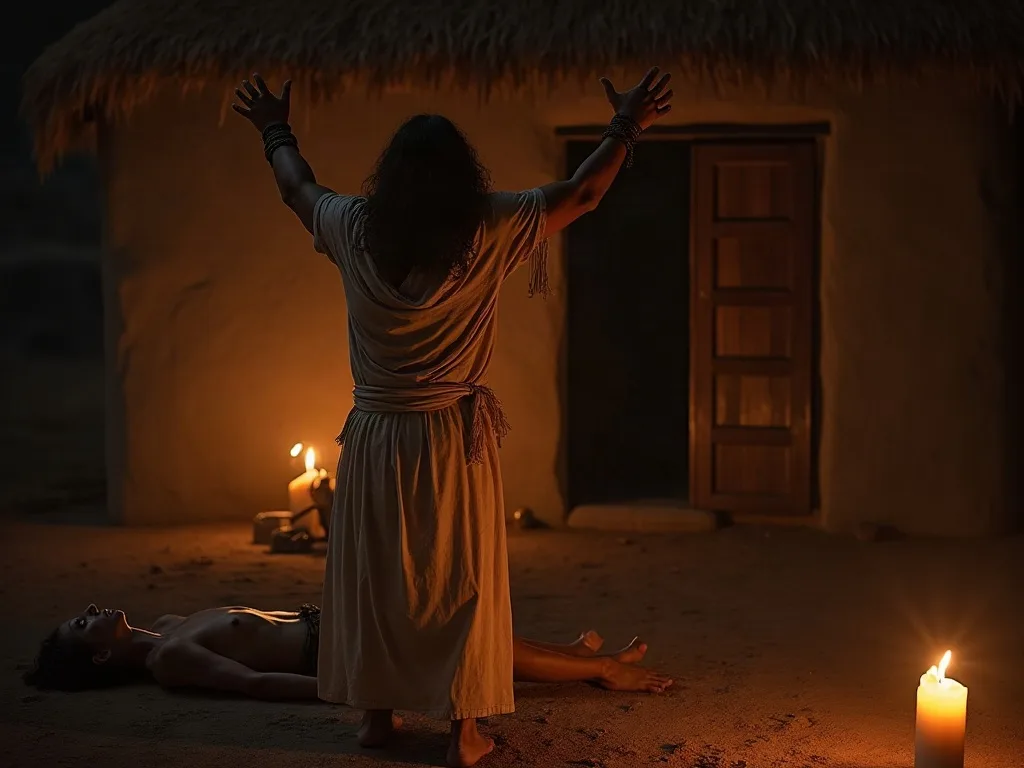
As Inuit societies encountered colonialism and Christian conversion, the understanding of Sila shifted. Some communities integrated Sila into Christian belief, seeing it as an aspect of God's power or the Holy Spirit (which, in Greenlandic at least, shares linguistic connection to breath and spirit). Others abandoned the concept as paganism. In many communities today, knowledge of Sila persists alongside or within Christian frameworks, a continuity of older understanding that proves harder to erase than outsiders expected.
Contemporary Inuit artists, writers, and thinkers often return to the concept of Sila as a way of articulating indigenous relationships with the land and weather. In a time of climate change, when the Arctic is warming faster than anywhere else on Earth, Sila has become a way of speaking about ecological balance and the consequences of breaking the proper order of things. The old theological language of taboo and restoration turns out to resonate with modern understandings of environmental collapse and the need for careful relationship with nature.
Sila's Presence in Inuit Spirituality Today
For many Inuit communities, Sila remains a living concept, even among those who practice Christianity or secular belief. The experience of Arctic weather and survival still carries the same absolute reality it always did. When a hunter feels the pressure of an incoming storm, the respect and attention required are the same. The warning signs, the quality of light, the behavior of ice, the smell of the wind, are still read as messages from the broader living world.
Elders in some communities still teach young people about the importance of taboos not as quaint folklore but as genuine wisdom about how to maintain a proper relationship with the land. Breaking taboos may not be explained in strictly spiritual language anymore, but the consequences, bad luck, illness, dangerous weather, the withdrawal of abundance, are understood as real. This is not superstition reasserting itself. It is experienced knowledge: the land responds to how you treat it.
The concept of Sila has also proven remarkably generative in Inuit cultural work. When Greenlandic artist and filmmaker Enootha Tarqimmut draws inspiration from Sila, she is not reaching back to a dead tradition but engaging with something that still holds explanatory and spiritual power. When Inuit activists speak about climate change as a rupture in the proper order maintained by Sila, they are using old language to describe new catastrophes.
Frequently asked questions about Sila: The Breath of Life and Weather Spirit
Frequently asked questions
Was Sila worshipped like other gods or spirits?
Not exactly. Unlike many spirits in Inuit belief, Sila was not typically appeased through direct ritual, offerings, or invocation. Instead, the Inuit relationship with Sila was one of respect and attention: keeping taboos, maintaining proper behavior, and confessing transgressions when the community felt Sila's anger manifested as illness or bad weather. Sila was more a fundamental principle than a character with personality that could be bargained with.
How did Inuit peoples distinguish between Sila and Silap Inua?
Silap Inua (the Master of the Weather) was a more specific spirit that controlled storms and could sometimes be negotiated with through shamanic ritual. Sila was broader and more fundamental, the breath of life itself, the invisible principle underlying all weather and existence. Silap Inua operated within the realm that Sila defined. Breaking taboos angered Sila; shamans could appeal to Silap Inua for specific weather changes.
What happened when someone broke a taboo and offended Sila?
The community would experience consequences: bad weather, failed hunts, sudden illness, or other misfortunes. A shaman would then diagnose the broken taboo, the offender would confess publicly, and the community would perform cleansing rituals to restore the proper order. This was not punishment imposed by Sila so much as the automatic consequence of disorder, a disruption of the invisible balance that sustained life.
Does Sila still matter in Inuit communities today?
Yes. Many Inuit people continue to recognize Sila as a living concept, whether in strictly spiritual terms or as a framework for understanding respectful relationship with the land and weather. In contemporary Inuit art, writing, and activism, Sila has become a powerful way of articulating indigenous ecology and the consequences of environmental disruption. The experience of Arctic weather and survival still carries the respect and attention that Sila demanded.
Are there myths or stories specifically about Sila?
Sila appears less as a character in narratives and more as a principle that shapes what happens in stories. Rather than myths about Sila itself, there are countless accounts of people offending Sila through broken taboos and the consequences that followed. The closest Sila comes to narrative is in the stories of shamanic healing, where a healer must identify and restore a broken taboo to call Sila back and heal an afflicted person.
How did colonialism and Christianity change Inuit understanding of Sila?
Some Inuit communities integrated Sila into Christian belief, seeing it as related to the Holy Spirit or God's power (the word for spirit and breath are related in many Inuit languages). Others abandoned the concept as paganism. In most communities, however, understanding of Sila persisted alongside or within Christian frameworks, a continuity of older knowledge that proved resilient to erasure.
The Invisible Force That Holds the Arctic Together
Sila remains one of the most profound concepts in Inuit spirituality precisely because it cannot be pinned down or mastered. It is the weather, yes, but also the breath in your lungs, the boundary between order and chaos, the invisible principle that connects every living thing to the land and sky. For people living in an environment where weather could kill and survival depended on intimate knowledge of ice, wind, and animal behavior, Sila was not an abstract theology. It was the lived reality of a universe that demanded respect and constant attention.
The power of Sila lies in this refusal to be reduced. It is neither god nor force of nature nor personification, or rather, it is all three at once, a way of thinking about existence that refuses the European division between spirit and matter. When Inuit peoples today invoke Sila to explain climate change, environmental respect, or the land's response to violation, they are not being quaint or romantic. They are using the most sophisticated language available to describe a truth their ancestors knew: that the world is alive, responsive, and that survival depends on maintaining a proper relationship with forces we do not fully control or understand.
Read the full book
Want the whole story?
The complete edition is an instant PDF download here, with a paperback on Amazon for selected titles.
Inuit
The Inuit Mythology Book: Sedna, Sila, and the Sacred Stories of Ice, Hunger, and the Sea-Goddess at the Bottom of the World
Shamans, Spirits, and Survival in the Arctic
The mythology of the Arctic peoples: Sedna at the ocean floor, Sila in the wind, and the angakkuq shamans who flew between worlds. Drawn from primary sources.
More from Inuit
All articles
Inuit
Inuksuk: Stone Markers of the Arctic Landscape
The Inuksuk stands as a silent guardian across the Arctic: stacked stones shaped by Inuit hands to guide hunts, mark sacred places, and embody the spirit of community. Learn how these markers bridge the visible and spiritual worlds.
Inuit
The Moon Man and Sun Sister: Cosmic Pursuit Myth
In Inuit cosmology, the Moon Man chases his sister, the Sun, across the sky in an endless celestial pursuit born from darkness and shame. Discover how this myth explains the rhythm of day and night, and why it still echoes in Arctic cultures today.

Inuit
Angakkuit: Inuit Shamans and Spirit Mediators
Angakkuit are the shamans and spirit mediators of Inuit cultures, channeling power from the animal and spirit worlds to heal, guide, and maintain balance between the human and sacred realms. Discover how these intermediaries shaped Arctic survival and cosmology.

Inuit
The Legend of Sedna: How an Inuit Girl Became Ruler of the Depths
Sedna rules the ocean from the seafloor, her fingers transformed into seals and whales. Discover how a betrayed girl became the most powerful being in Inuit cosmology, and why hunters still honor her with rituals tied to survival itself.