
The Taniwha: Supernatural Guardians of Waterways in Maori Mythology
The taniwha are powerful supernatural beings in Maori mythology that guard rivers, lakes, and caves. These shape-shifting creatures demand respect and have shaped Maori settlement patterns for centuries.
Contents
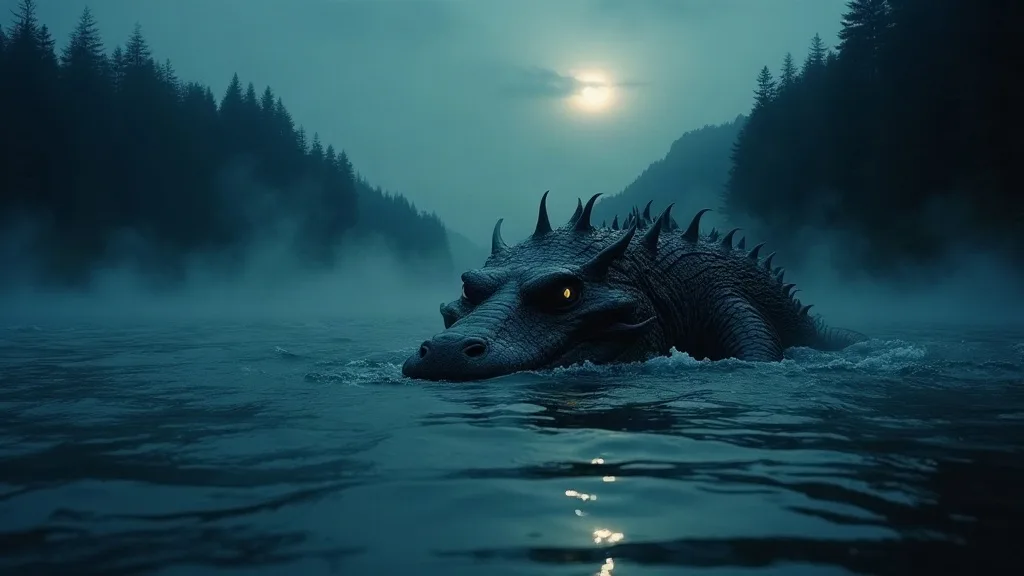
A taniwha emerges from the dark water. It has the body of a reptile, the head of something older, eyes that glint with intelligence. Maori travelers know the signs: certain bends in the river, particular rock formations, stretches where the water grows still. They move with caution. They know something watches them from the depths.
The taniwha are not mere monsters. They are the sentinels of the waterways in Maori belief, beings that have existed since the world itself took shape. They inhabit rivers, lakes, swamps, and caves across Aotearoa (New Zealand). Some are fierce protectors; others are old allies of specific iwi (tribes). To encounter one is to brush against forces far older and more powerful than human. To ignore them is to court disaster.
Origins in the Primal Waters
The taniwha do not appear in the creation sequence as the Maori tell it. When Rangi (the sky father) and Papa (the earth mother) first lay together in darkness, producing the primal void, the taniwha were not yet named. But when their children, Tanemahuta (god of the forest), Tangaroa (god of the sea), Tane (the atmosphere), brought separation and light, the waters themselves began to quicken. In the depths of rivers and lakes, something stirred.
The taniwha belong to the ancient layer of creation, emerging as the landscape itself took consciousness. They are intrinsically tied to particular waterways. A taniwha does not simply live in a river; it is the river's presence made animate, its danger and its personality combined. Maori oral tradition, preserved in whakapapa (genealogies) and pepeha (tribal sayings), records taniwha as beings that existed before human settlement. They predate European arrival by centuries, woven into the geography itself.
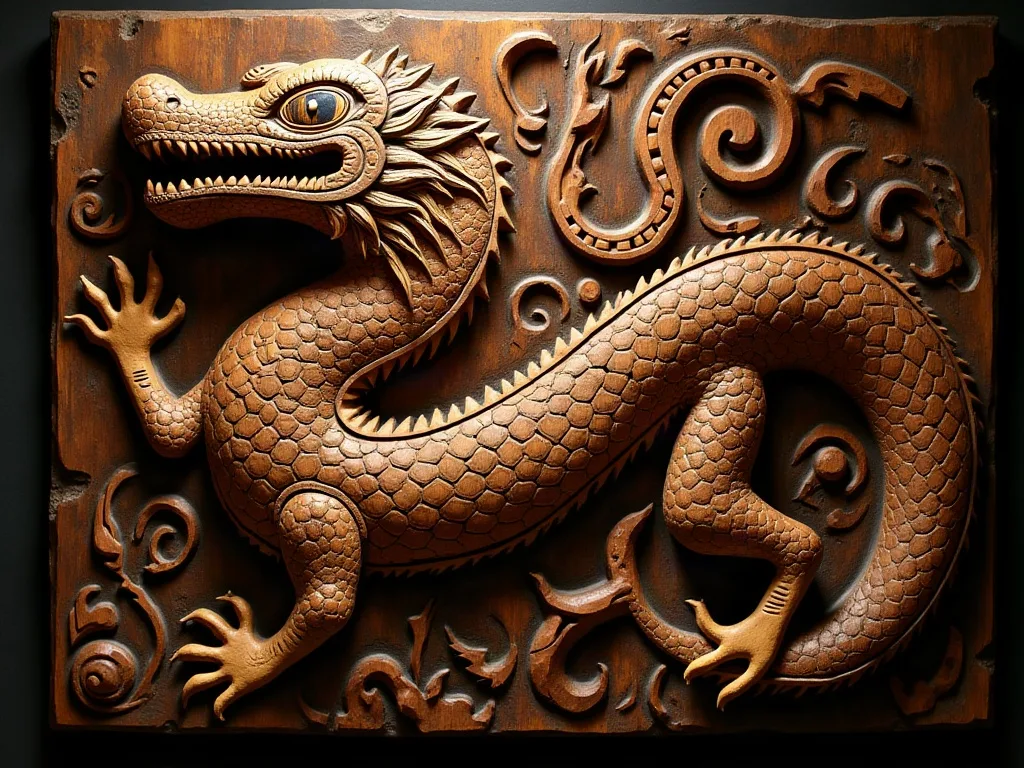
Some taniwha are said to have been born from the union of atua (spirits or gods) and earthly elements. Others are understood as the transformed remains of rangatira (chiefs) or powerful tohunga (experts in karakia, incantation) who died in or near water and whose mana (spiritual power and prestige) was so great it would not disperse. A few taniwha in Maori tradition are the offspring of multiple taniwha, lineages stretching back beyond living memory. The genealogies are specific: names, places, and the iwi connected to them.
The Taniwha in Landscape and Settlement
The presence of a taniwha in a particular waterway is not abstract knowledge. It shapes how Maori communities move through their rohe (territory). Certain rivers are crossed only at designated fords. Some lakes require ritual before fishing. Caves fed by underground streams are entered only by those with specific permission or karakia (ritual incantations).
The Waikato River, one of Aotearoa's longest waterways, is home to taniwha whose names and behaviors are known to the Waikato iwi. The taniwha of the Vaitarna Stream near present-day Auckland has a documented place in local pepeha. When Maori populations chose where to build pa (fortified settlements), the presence or absence of a taniwha was a genuine consideration. A river watched by a taniwha was safer; its waters were acknowledged as living, dangerous, and deserving respect. Raiders and thieves avoided taniwha waters, fearing supernatural punishment.
This was not superstition detached from survival. A taniwha could cause floods, capsize canoes, or pull swimmers under. The taniwha demanded utu (reciprocal obligations and compensation). Fishermen left offerings. Travelers performed karakia before crossing. In doing so, they acknowledged the taniwha's authority over that place. The compact was clear: if you respect the waterway and its guardian, it will not harm you. Break that contract, and the consequences are swift.
Physical Form and Shape-Shifting
Taniwha are not described with a single appearance. In Maori tradition, they are fundamentally mutable. Some sources describe them as reptilian: long-bodied, with scales, eyes like burnished stone. Others compare them to tuatara (the ancient reptile native to New Zealand), but far larger, moving with the liquid grace of eels. Still others invoke hybrid forms: a head like a horse or a dog, limbs that shift between fins and claws, a body part serpent and part whale.
The most consistent features are their size, always immense, always powerful, and their eyes. Maori accounts emphasize that a taniwha's eyes reveal its intelligence. They are not animal eyes. They watch, calculate, remember.
Taniwha possess the ability to appear in human form. In several recorded stories, a taniwha has walked ashore as a beautiful woman or a powerful man. The deception lasts only until someone recognizes a tell: webbing between fingers, scales at the throat, an eye that catches the light wrong. Once revealed, the taniwha may laugh, may vanish, or may attack. The shape-shifting is not mere disguise; it is a test of awareness, a game with consequences.
Some taniwha are bound to specific forms by the terms of their existence. Others are free to shift. The distinction matters to iwi who maintain detailed knowledge of their local taniwha: how it moves, what it eats, which forms it favors, what offerings it prefers.
Taniwha as Allies and Ancestors
Not all taniwha are threats. Some are ancestors who guide their iwi. The Maori understand that whakapapa (genealogy) can include non-human beings. A powerful tohunga who drowned in a river and was taken by a taniwha, or a warrior so fearless that the taniwha claimed him after death, could merge with the being of the waterway itself. The descendant iwi would then have both a guardian and an ancestor looking out from the depths.
These allied taniwha are consulted before major undertakings. They are asked permission before fishing in their rivers. They receive first offerings of successful catches. They are invoked in karakia for safe passage. In some iwi traditions, a tohunga can negotiate with a taniwha, establishing boundaries and agreements. A river might be open to fishing at certain times and forbidden at others, according to the taniwha's needs and the seasons.
Taniwha have been known to save Maori from danger. Stories tell of a drowning child pulled to shore by a taniwha acting out of favor to the child's whanau (family). A warrior lost in a storm guided to safety by a strange current that turns out to be the taniwha of that coast. A community warned of a coming flood by the taniwha's unusual behavior. These are not isolated tales. They are part of the whakapapa of specific iwi and are recited as proof of the taniwha's mana and protective interest.
Specific Taniwha in Maori History and Record
Maori sources record taniwha by name and region. The taniwha of the Manawatu River, known in local traditions, is described in iwi records as male, ancient, and responsive to certain karakia. The taniwha associated with Lake Rotoiti has been depicted in rock art and referenced in tribal histories for centuries. These are not legends treated as mere stories; they are documented aspects of the landscape.
The taniwha Taumatarangi, connected to the Chatham Islands, features in the pepeha and oral histories of Chatham Maori. Its name appears in historical accounts collected from kaumatua (elders) in the 19th and 20th centuries. The specificity is striking: not "a taniwha lives there," but this taniwha, with this name, this history with this iwi.
One of the most famous taniwha encounters in recorded history involves the taniwha of the Wailau River in Southland. In the 1870s, Maori from the region described to European collectors how the taniwha had once threatened the settlement. A tohunga negotiated with it, establishing terms. The river became safer, and the memory of that negotiation became a foundation story for the local iwi's relationship with that land.
Taniwha and European Contact
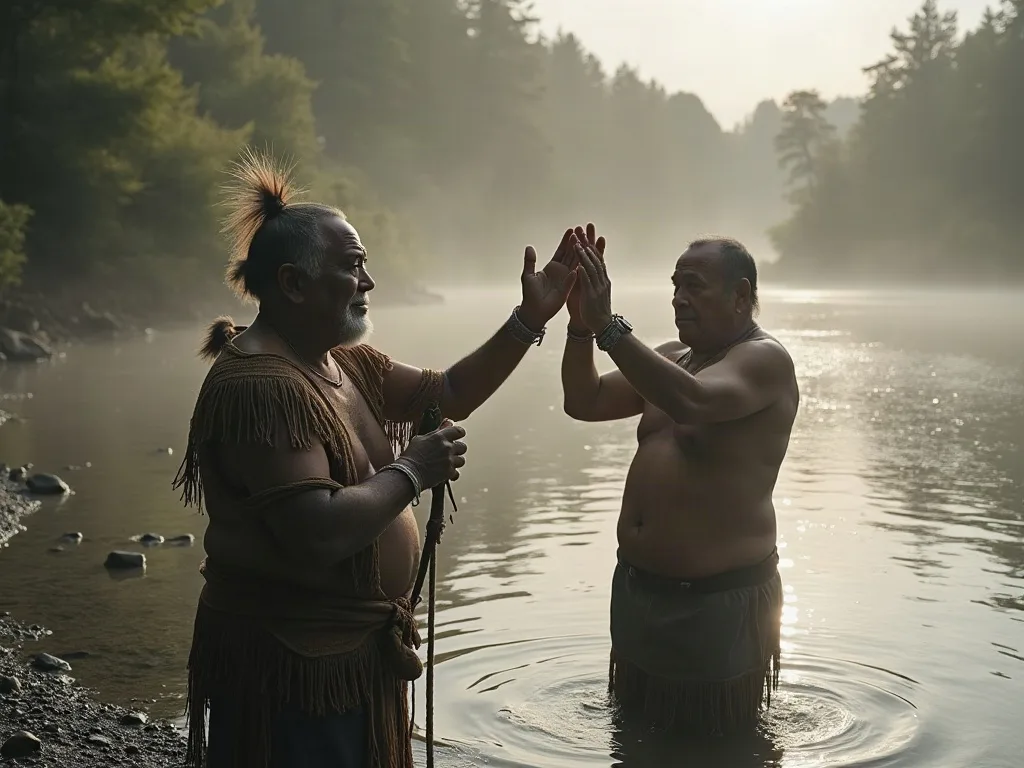
When European settlers arrived in Aotearoa in the late 18th and early 19th centuries, Maori continued to speak of taniwha. European accounts often dismissed these beings as superstition or folklore, yet Maori persisted in avoiding certain waters, performing karakia at specific sites, and treating waterways with respect rooted in taniwha belief.
Some European observers noted the practical outcome: Maori communities managed their waterways with remarkable safety. Drownings were rare in places where taniwha were respected. Fishing stocks remained steady. The spiritual practice and the ecological outcome were inseparable. A taniwha in the worldview was also a system of resource management and safety protocol.
In the 20th and 21st centuries, as Maori cultural knowledge has been reclaimed and reaffirmed, taniwha have returned to public conversation in Aotearoa. Urban Maori populations maintain awareness of taniwha in city waterways. Environmental movements have drawn on taniwha belief as an indigenous framework for understanding human responsibility to water and land. Te Atua Whakapono (spiritual presence) and taniwha are invoked together in conversations about respecting natural systems.
Scholarly Interpretation and Debate
Anthropologists and Maori scholars have interpreted taniwha in several ways. Some view them as personifications of natural forces: dangerous currents, whirlpools, and flooding that needed to be recognized and respected as conscious beings. Others argue taniwha represent ancestral mana that persists in the landscape, a way of honoring powerful figures by seeing them as eternally present. Still others maintain that taniwha are understood by Maori as genuinely existing beings, neither metaphorical nor extinct, and that Western frameworks of "belief" versus "reality" miss the point.
What is increasingly clear from Maori scholarship is that taniwha are not interchangeable monsters. Each taniwha has specific characteristics, genealogy, and relationship to particular iwi. Treating them as a category rather than as individuals with agency and history is itself a form of dismissal that early European accounts perpetuated.
Recent work by Maori scholars has centered taniwha in discussions of environmental stewardship. If water is understood as animate, watched over by a being with mana and intelligence, then the ethics of how humans interact with that water shifts. Pollution, dam-building, and over-extraction become not merely environmental issues but violations of a contract with another being. This reframing has influenced policy conversations in Aotearoa around water rights and environmental protection.
Taniwha in Modern Maori Practice
Contemporary Maori iwi maintain specific relationships with taniwha in their rohe. When major waterway projects are undertaken, dams, river diversions, bridges, some iwi perform karakia to request permission or to mitigate harm. In 2020, when the New Zealand government began initiatives around water management and Maori rights, taniwha were explicitly referenced in iwi submissions as guardians whose authority over waterways predates both Maori settlement and European colonization.
Maori artists have depicted taniwha in contemporary works. Whakairo (carving) and tā moko (facial tattoos) sometimes incorporate taniwha imagery. Whare whakairo (meeting houses) may include taniwha in their narrative carvings, telling the stories of local waterways and their guardians. Young Maori learning te reo Maori (the Maori language) encounter taniwha in kupu (words) and whakataukī (proverbs) that encode centuries of environmental knowledge and respect.
The taniwha also appears in popular culture: novels, films, and video games set in Aotearoa often include taniwha encounters. While these representations vary widely in accuracy and respect, they reflect a living interest in the beings as part of Maori identity and Aotearoa's indigenous imaginary.
The Taniwha's Domain and Authority
Understanding a taniwha requires understanding mana: not power in a European sense, but a combination of spiritual authority, prestige, and the right to be obeyed within one's domain. A taniwha's mana is absolute within its waterway. It is not a bully or a tyrant. It is the embodiment of the water's own authority. To travel in a taniwha's water without acknowledgment is to declare that you do not recognize its mana, and the consequences follow naturally from that disrespect.
This framework explains why Maori travelers moved differently through landscapes depending on taniwha presence. It was not fear alone; it was a system of authority and respect embedded in the geography. The taniwha's domain was not a threat to be overcome but a presence to be negotiated with. That negotiation took the form of karakia, offerings, and seasonal observance.
Different taniwha have different temperaments and requirements. Some are known to be fierce and independent, tolerating Maori presence only in specific locations at specific times. Others are protective of their associated iwi and will harm outsiders or invaders. Still others have struck long-standing agreements with local leaders and are understood almost as allied chiefs. These distinctions matter deeply to anyone moving through that landscape, and they are encoded in whakapapa and pepeha recited across generations.
Taniwha Across Regions: Diverse Examples
The taniwha of the South Island differ in character from those of the North Island. Southland taniwha are often described as older, more remote, less frequently encountered. Northland taniwha are sometimes depicted as more engaged with human settlement, more likely to appear to travelers. Bay of Plenty taniwha have specific relationships with fishing; Auckland taniwha are now urban beings navigating modern city waterways.
The taniwha of Lake Taupo, in the central North Island, is recorded in local iwi traditions as particularly powerful and particular about its territory. The taniwha associated with the Rangitikei River has a documented history with Rangitikei iwi spanning several centuries. The taniwha of Rotorua's geothermal lakes are understood as beings whose relationship with heat and underground waters gives them unique knowledge and presence.
This regional diversity is significant. Maori did not export a single taniwha concept across Aotearoa. Instead, each waterway developed its own relationship with the beings that inhabited it, creating a vast network of local understandings bound together by shared principles: respect, mana, karakia, and reciprocal obligation.
Frequently asked questions about the taniwha
Frequently asked questions
Are taniwha unique to Maori culture, or do similar beings appear in other Pacific cultures?
Similar beings appear throughout Polynesia and beyond. Hawaiians speak of mo'o, powerful water guardians and shapeshifters. Samoan traditions include beings that inhabit waterways with comparable authority and mana. These are not direct copies; each culture developed its own understanding based on its own landscape and spiritual framework. But the pattern is consistent: Pacific cultures recognized that waterways are inhabited by intelligent, powerful beings that demand respect and offer protection to those who honor them.
Do Maori today still believe taniwha are real?
Many Maori treat taniwha as real presences in the landscape, not as metaphors or folklore. The distinction between "real" and "spiritual" is itself a Western framework; Maori understanding encompasses both. What matters is that taniwha have mana, agency, and a right to the spaces they inhabit. Whether that is understood as literal physical form, spiritual presence, or something that does not map easily onto English categories depends on the individual and the context. What is consistent is the respect.
What do taniwha eat?
Maori traditions describe taniwha as omnivorous in their diets. Some tales speak of taniwha eating fish. Others mention hunters or travelers who were pulled beneath the water. Some taniwha are said to subsist primarily on spiritual sustenance: the mana of offerings, the energy of karakia. The specifics often depend on which taniwha and which region's oral traditions. What is consistent is that taniwha feed in ways that sustain them and that they can live for centuries or longer without apparent aging or diminishment.
Can taniwha be killed?
Taniwha are immortal in Maori belief, though stories exist of taniwha being driven from their waterways through powerful karakia or being bound by tohunga in contexts of conflict. In one famous account, a taniwha was said to have been lured onto land and killed by a powerful chief, but even then the taniwha's mana lingered in the place. Taniwha cannot die in the human sense; they can be displaced, weakened, or bound, but their essence remains tied to the waterway, and they can return or revive. This makes them fundamentally different from mortal beings and gives taniwha a kind of continuity that connects each waterway to deep time.
How do Maori determine what to offer a taniwha?
Offerings vary by taniwha and by iwi tradition. Fish are common first-fruits offerings when a successful catch is made in taniwha waters. Karakia (ritual incantations) are offered as respect and acknowledgment. Some taniwha are said to prefer specific foods or types of mana. The knowledge of what a particular taniwha values is held within the iwi connected to that waterway and passed down through families of tohunga and kaumatua (elders). First-time travelers may simply perform a respectful karakia and move carefully; those with genealogical connection to the place understand the taniwha's preferences more intimately.
What happens if you accidentally break a taniwha's rules?
Consequences in Maori tradition range from warnings to severe punishment. A swimmer who ignored a taniwha's domain might experience a powerful current, a moment of panic, a near-drowning that serves as a lesson. Repeated disrespect escalates: illness, drowning, or calamity befalling the offender or their whanau. The taniwha is understood not as vengeful but as enforcing the natural order. If you declare by your actions that you do not respect the taniwha's mana, the taniwha responds by reasserting that mana. Prevention through knowledge and respect is always preferable to suffering consequences.
The Taniwha in Aotearoa Today: Living Beings or Living Memory?
The taniwha persist in 21st-century Aotearoa not as relics but as presences. They appear in contemporary Maori art, literature, and political discourse about environmental rights. They are invoked when iwi negotiate with government bodies over water management. They are taught to children learning te reo Maori as part of understanding their connection to landscape and genealogy.
Whether a taniwha is understood as a literal being, a spiritual presence, or a narrative framework for understanding human responsibility to water may be less important than recognizing that the taniwha framework produces practical outcomes: respect for waterways, caution about safety, acknowledgment of forces larger than human will, and a commitment to reciprocal relationships with the natural world.
The taniwha are not mythology in the sense of dead stories. They are living presences in Maori consciousness and Aotearoa's geography. To travel through New Zealand's waterways with awareness of the taniwha is to move through a landscape that is actively watched, historically inhabited, and demanding of respect. The taniwha remind travelers that some places are not human territory. Some forces are beyond our control. Some beings have rights that predate our arrival and will outlast our presence. In a world increasingly dominated by human extraction and control, the taniwha represent an older way of thinking: not about owning the land, but about honoring its guardians.
Read the full book
Want the whole story?
The complete edition is an instant PDF download here, with a paperback on Amazon for selected titles.
Maori
The Maori Mythology Book: Māui, Tāne, and the Gods of Aotearoa
Māui, Tāne, and Rangi and Papa
The mythology of New Zealand’s first people: the sky-father and earth-mother locked in an embrace, the children who forced them apart to let in the light, and Māui the trickster who fished up islands, snared the sun, and died trying to defeat death itself.
More from Maori
All articles
Maori
The Marae: Sacred Meeting Ground in Maori Culture
The marae stands at the heart of Maori identity: a sacred communal space where land, genealogy, and spiritual power converge. Discover how this open courtyard became the foundation of Maori society, ceremony, and connection to place.
Maori
Tiki: The First Man and Ancestral Symbol in Maori Mythology
In Maori creation myth, Tiki was the first human, carved from earth by Tane Mahuta, the god of forests. This symbol represents the bridge between the divine and human worlds, still vital in Maori art and culture today.
Maori
Tapu and Noa: Sacred Restriction and Freedom in Māori Worldview
Tapu and Noa are the twin forces that shaped Māori life: one sacred, restricted, potent; the other free, ordinary, unrestricted. Learn how these concepts governed everything from food and ritual to social order and spiritual safety.

Maori
Whiro: God of Darkness and Evil in Māori Mythology
Whiro stands as the Māori god of darkness, chaos, and evil, a primal force of destruction born from the separation of sky and earth. Discover how this ancient deity shaped Polynesian cosmology and what his eternal struggle with light reveals about Māori understanding of creation.