
Korean
Gods of Korean
The complete list of gods in Korean.
This section of the Mythologis encyclopedia gathers 5 articles on the gods of Korean: Hwanung, Mago Halmi, Samsin Halmoni, The Seven Star Maidens, The Dragon King. Each entry starts from the primary sources (the myths, epics, hymns and inscriptions that recorded them), explains who or what they were, the stories told about them and how they connect to the rest of Korean, and points to the scholarship worth reading next. Pick an entry below, or go back to the Korean guide for the overview.
Korean
Hwanung: The Heavenly Prince Who Descended to Earth
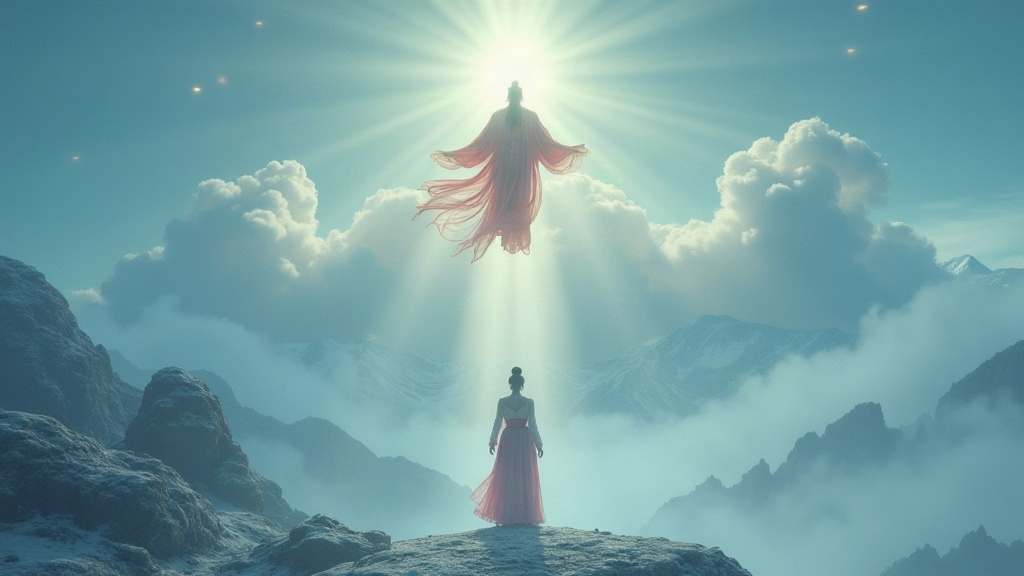
Hwanung, the celestial prince of Korean myth, descended from heaven to establish human civilization. His union with a bear-woman bore Tangun, founder of Gojoseon, Korea's first kingdom. Discover how this cosmic descent shaped Korean identity and continues to echo through the nation's cultural memory.

Korean
Mago Halmi: The Primordial Creatrix Goddess
Mago Halmi shaped existence itself before time began. The Korean primordial goddess stands at the root of all creation, a force older than the heavens, wiser than fate itself.
Korean
Samsin Halmoni: The Grandmother Goddess of Childbirth
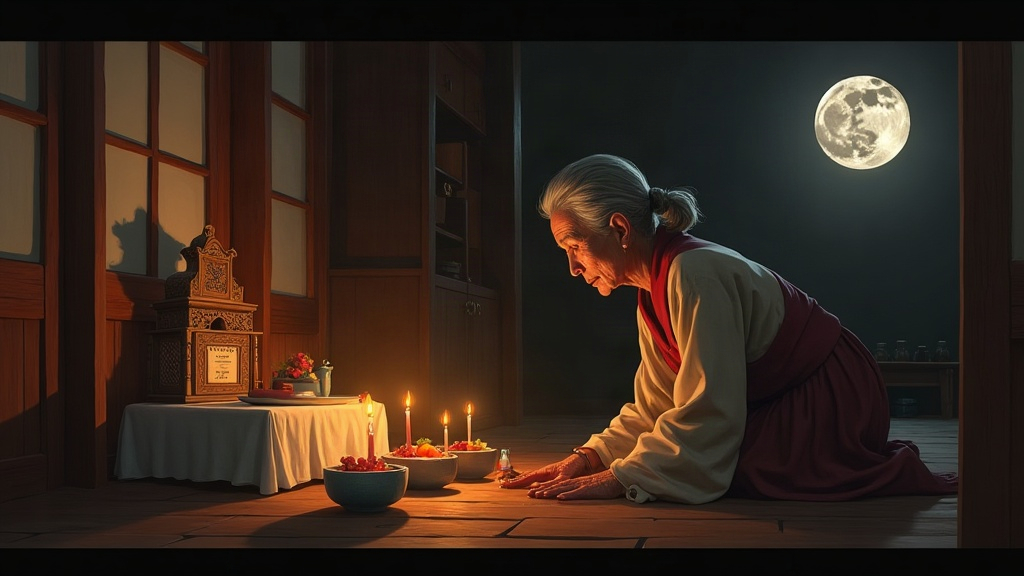
Samsin Halmoni is the Korean grandmother goddess who presides over pregnancy, childbirth, and the health of newborns. Worshipped in homes and shrines for centuries, she remains central to Korean motherhood tradition and represents a mother's protective power.
Korean
The Seven Star Maidens: Chilseong and Celestial Worship in Korean Tradition
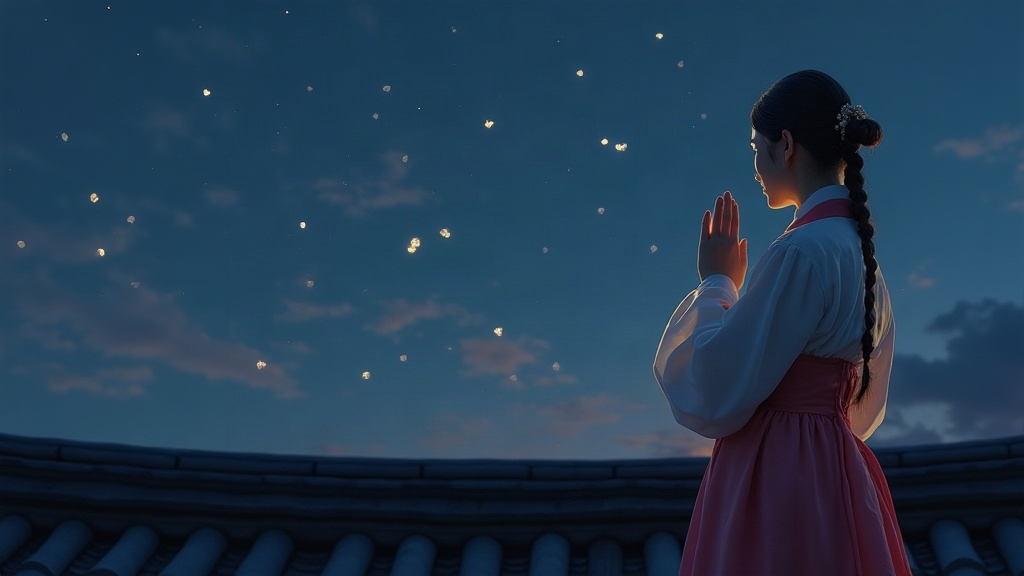
The Seven Star Maidens weave Korean spirituality with the night sky itself. Chilseong worship shaped household rituals, artistic tradition, and how ordinary people imagined fortune for centuries.
Korean
The Dragon King: Yongwang of the Underwater Palace
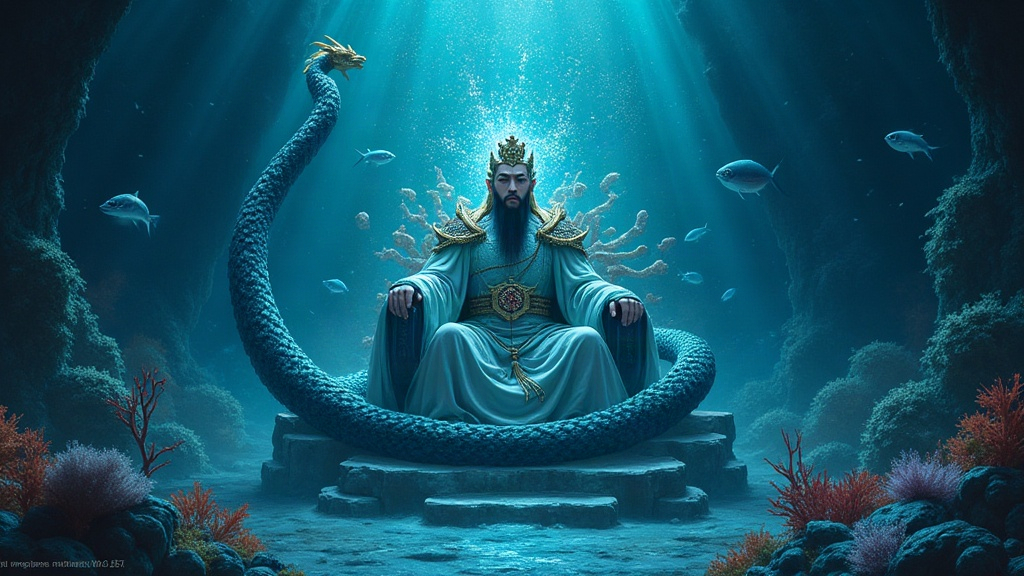
Yongwang, the Korean Dragon King, rules a glittering palace beneath the sea and commands rain, rivers, and fate itself. Learn who he is, why fishermen still fear his moods, and where his myth came from.