Japanese
Extraordinary stories and mysterious creatures... Discover the Japanese mythology which is one of the most fascinating in the world. Read more
Browse Japanese
With its remarkable stories and mystical creatures, Japanese mythology is one of the most fascinating in the world.
Japanese mythology is a collection of beliefs and myths about deities belonging to the Japanese people. It comes from Shintoism and originated in the Kojiki, a collection of ancestral myths and the oldest text written in Japanese. The archipelago is full of legends about gods, symbolic animals and monsters.
Let’s take a closer look at these wondrous creatures of Japanese folklore that are so fascinating in the Land of the Rising Sun.
Japanese religion 📿
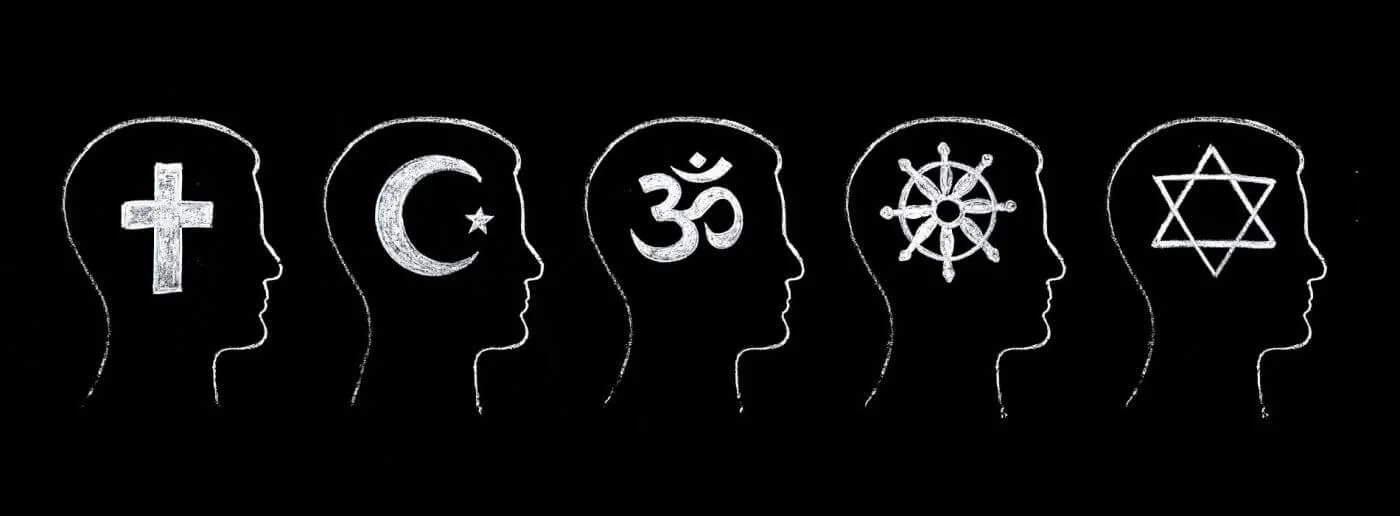
In all cultures of the world, many myths have religious origins. Japan, a country of tradition, is no exception. To better understand the influence of religion on Japanese folk belief and folklore, let’s take a closer look at two of the main aspects.
⛩ Shintoism, the primitive religion of Japan
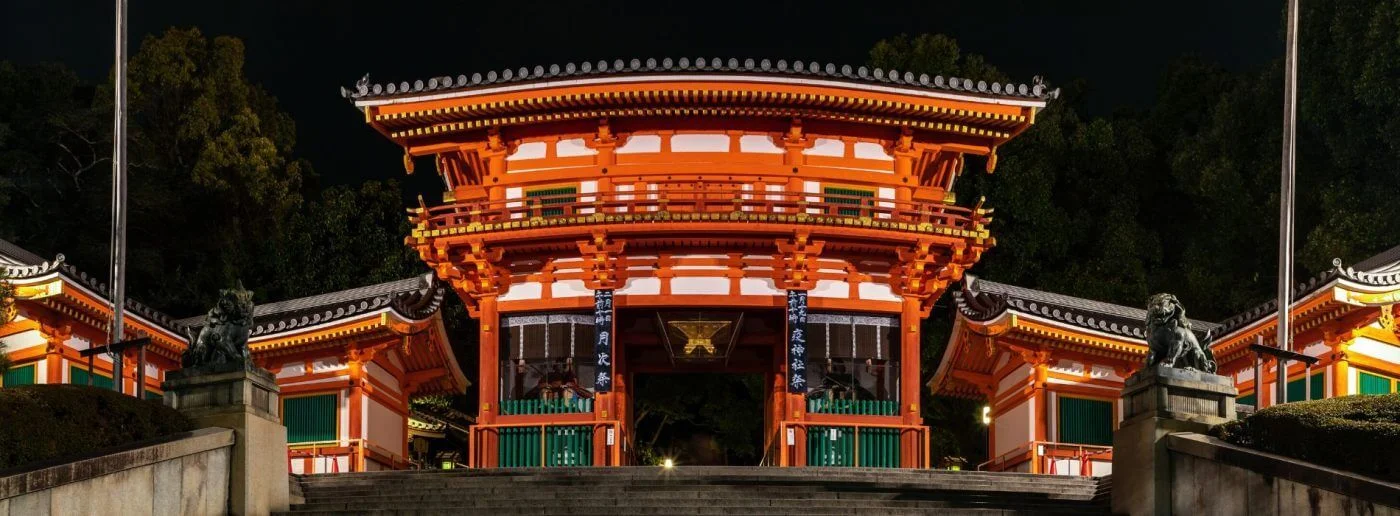
Not surprisingly, Japanese mythology has strong ties to Shintoism. It is the oldest religion in Japan and the most prevalent with Buddhism today. It is based on the worship of kami (god) and the sanctity of nature. His animistic beliefs greatly influenced Japanese civilization. Therefore, the Japanese believe in spirits that animate natural elements and objects.
Its founding story can be found in the Kojiki and Nihonshoki, two reference books that inspired Shintoism and many beliefs within the archipelago. Thus, we find mythological stories about the formation of islands, the origin of gods and the history of Japan.
🧘 Buddhism in Japan
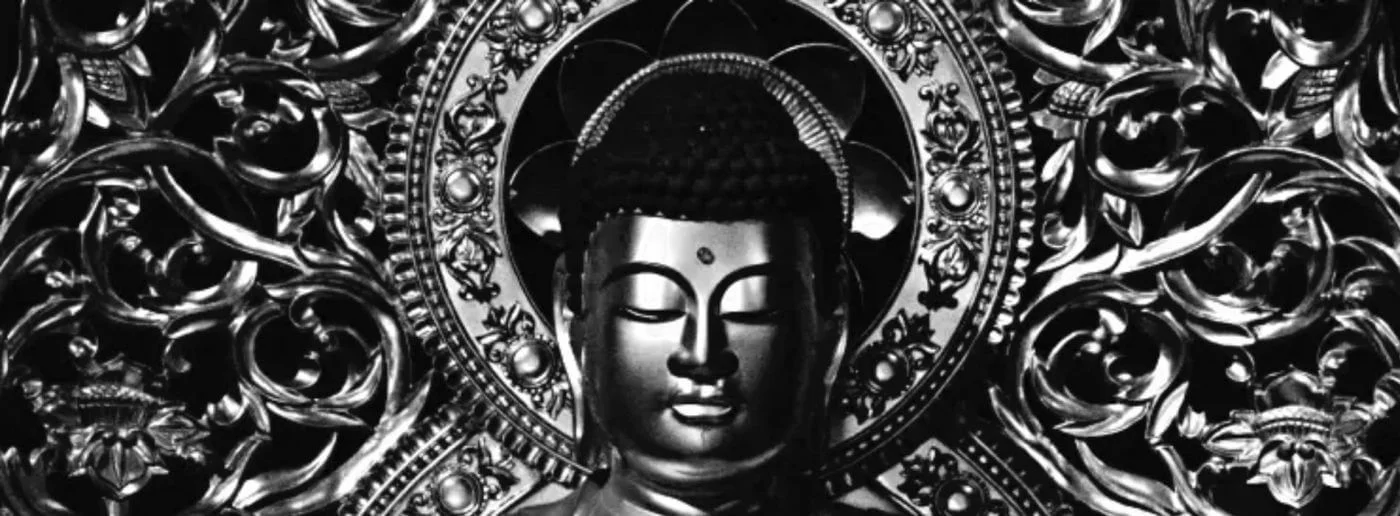
Like Shintoism, Buddhism has influenced Japanese stories and legends. Among the references we can mention the Shinto Book and its Buddhist understanding of Japanese mythology. The religion was brought to the archipelago from China and Korea around the 6th century. His philosophy and meditation practice were quickly adopted by the Japanese. Like shrines, many Buddhist temples are scattered throughout the country.
Furthermore, the two religions are complementary to the Japanese, who often practiced both at different times in their existence. Shinto worships gods and nature, while Buddhism seeks enlightenment. Life events are held at shrines, while funerals are held at Buddhist temples. Buddhists, on the other hand, believe in reincarnation, while the dead guard their ancestors in Shintoism.
🌪 Kamis, gods and goddesses of Japan Mythology
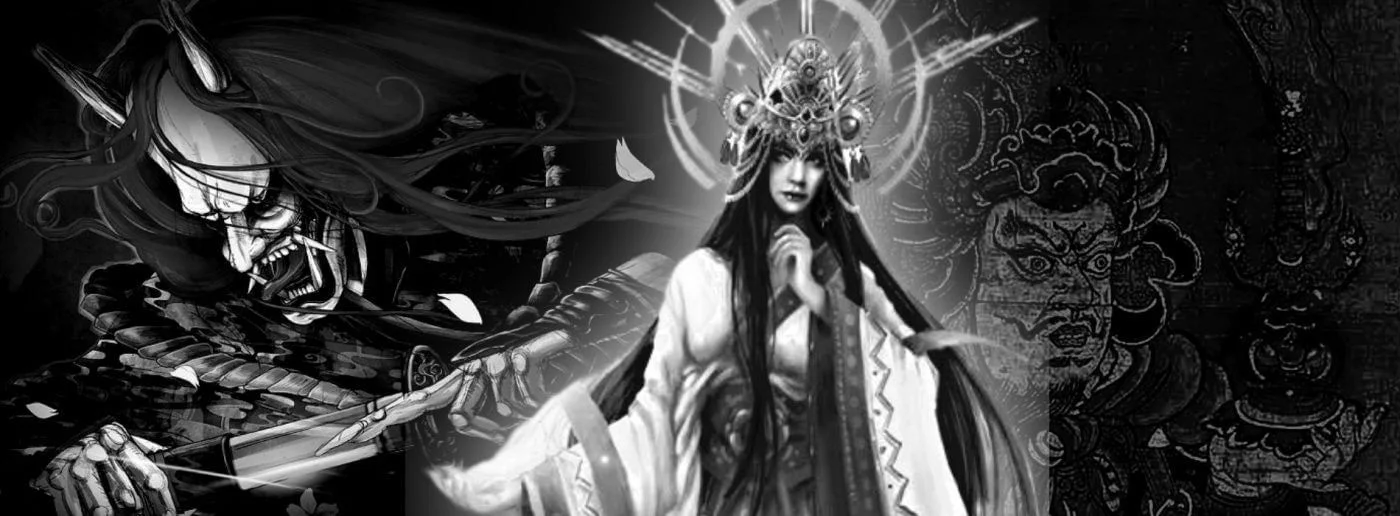
The Japanese have a long history of worshiping various deities, including the kami, the gods, and the goddesses. Like Greek mythology, Japanese mythology has its own deities, monsters and supernatural beings. There are 8 million kami in Japan, however, some are more popular than others. Additionally, the most significant deities are sexualized in Shinto shrines and some Buddhist temples.
🐣 Birth of Japanese Mythology
The most celebrated tale of the Kojiki is the creation of the islands of Japan. Originally, the world was characterized by disorder. However, that was before Izanagi and Izanami, the first couple of kami, were tasked with creating the Earth.
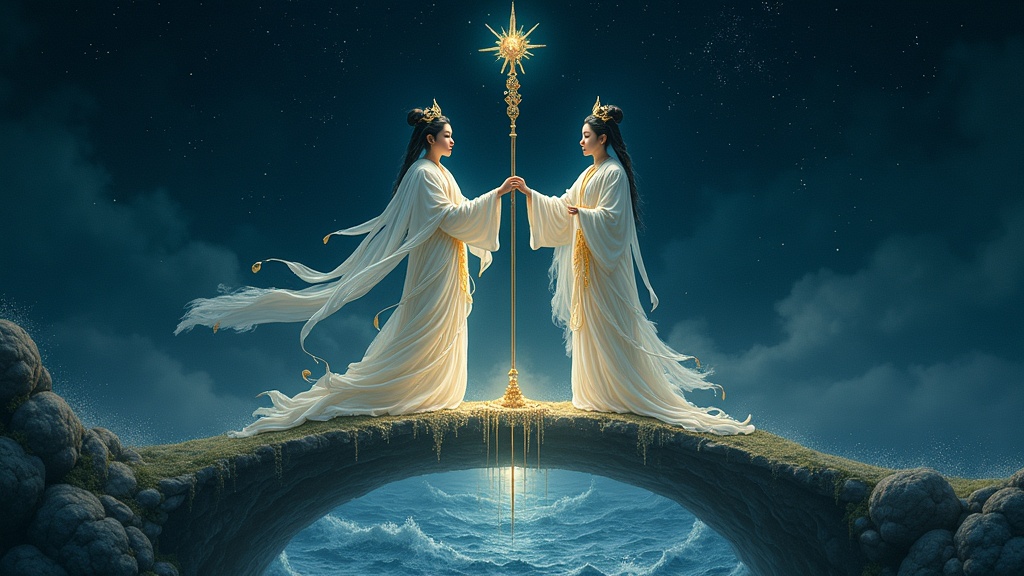
The two gods were standing on a bridge that connected the heavens and the sea, Izanagi dipped a divine spear into the water, which caused it to splash. The droplets that formed became the first Japanese island. Later, the other islands in the archipelago, as well as many kami were created by the half-urgent couple.
The most important deities in Japan
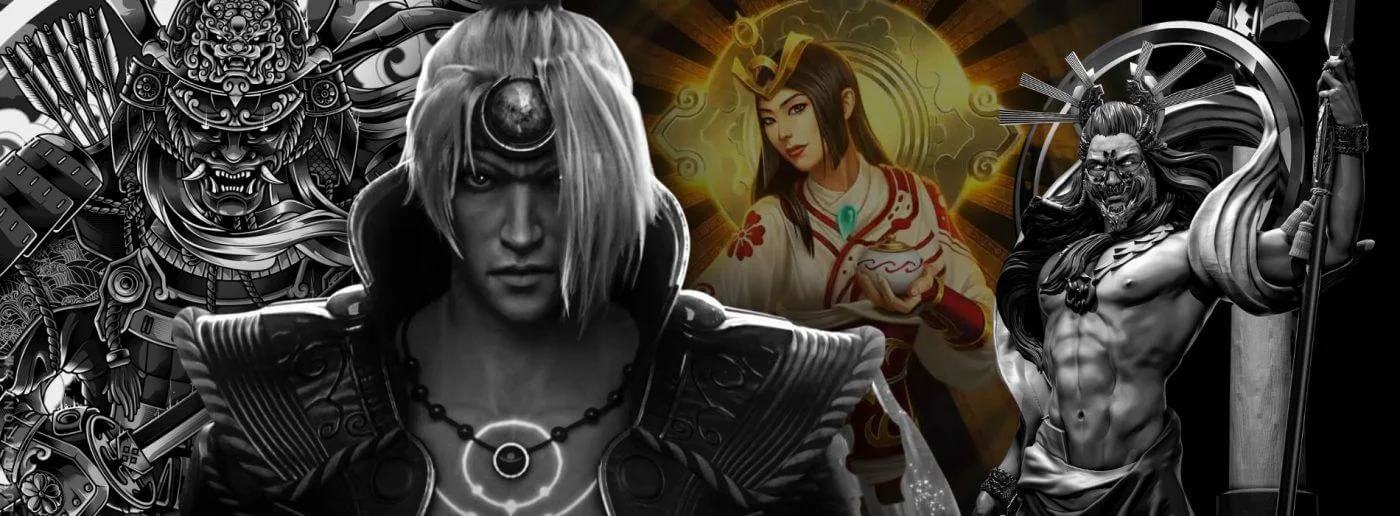
Many kami inhabit the universe, whether they are celestial or terrestrial, many are present. Some of them are particularly sexually promiscuous in the land of the rising sun. They have their own celebrations called matsuri.
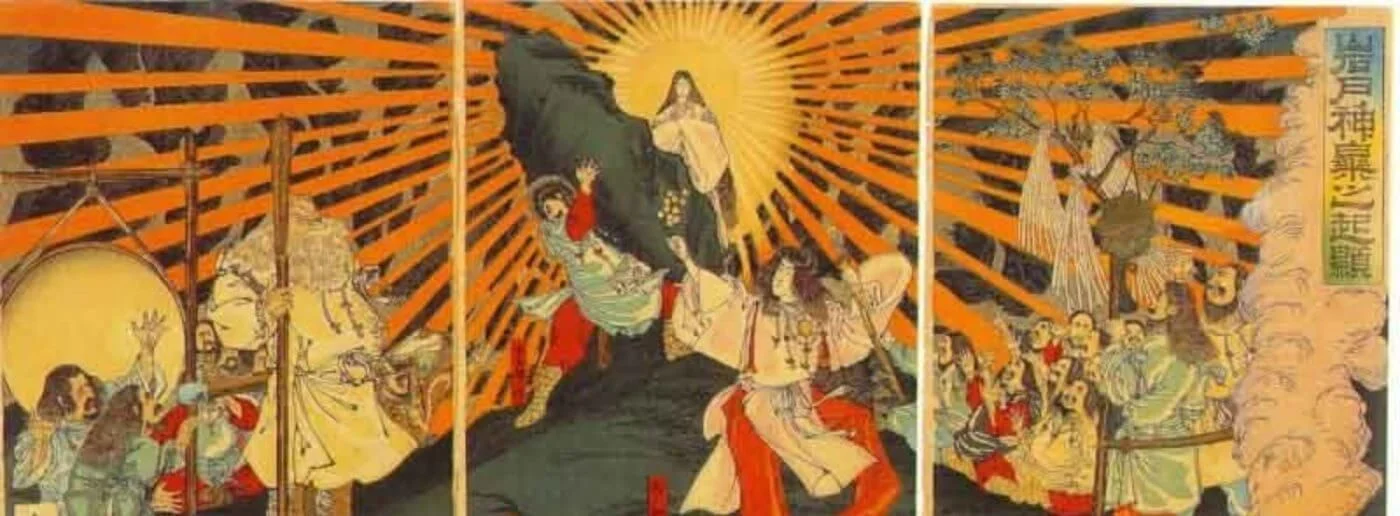
After Izanagi and Izanami, it’s the story of the sun goddess Amaterasu. She was also responsible for illuminating Japan, she is also the progenitor of the entire imperial line. Additionally, Amaterasu’s brothers: Tsukuyomi, the moon and night deity, and Susanoo, the sea and storm deity, are known for their impulsive behavior. Among the most significant gods of the islands, Inari, the deity of rice and fertility, is particularly revered in Japan.
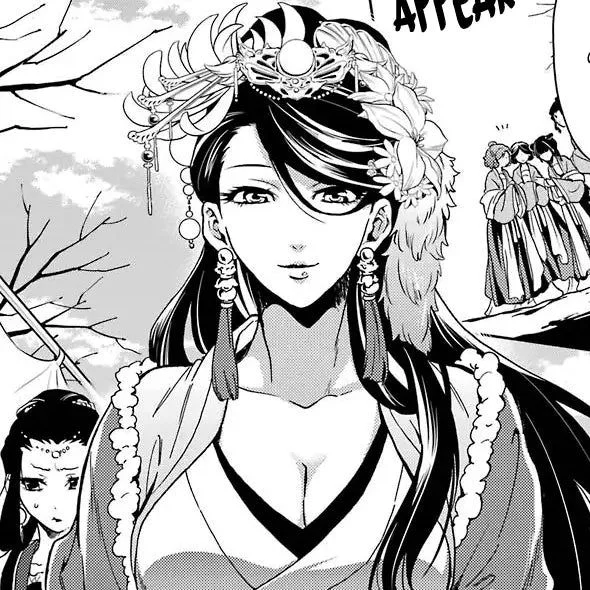
Similarly, the deity of war Hachiman, represented by a pigeon or a dove, is venerated in numerous temples in Japan. Kamis and the imperial family In Japan, powerful clan leaders and emperors can become kami after their passing.
The emperor is said to have descended from the goddess Amaterasu, this is why he is sometimes considered a divine being in Japan. The Kojiki and the Nihon shoki both recount the divine connection of the imperial family through the story of Nigiri, the grandson of Amaterasu, who came to Earth and became a human. He was followed by his heir, the emperor Jinmu.
The gifts of the sun goddess to Nigiri became the three sacred treasures of the country: a sword, a mirror and a celestial jewel. In 1946, the constitution stated that the emperor lacked divine authority.
However, Shintoism still venerates him as the god’s representative.
The Japanese have a long history of storytelling, and the art of storytelling is still practiced today.
Japanese Folklore
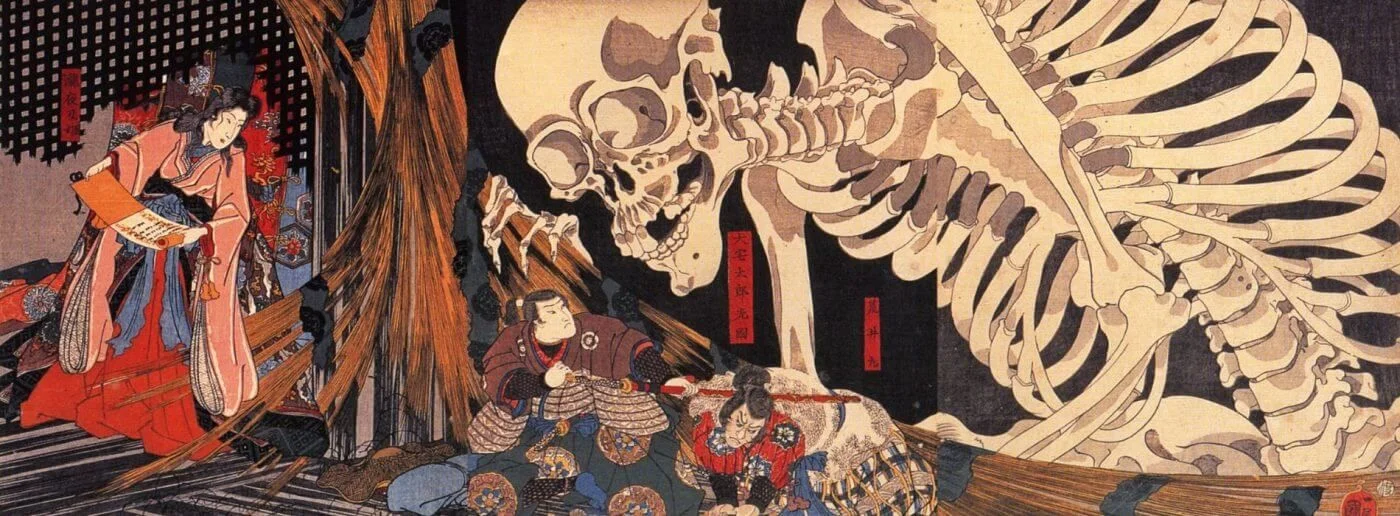
Mythology has had a significant influence on the Japanese folklore, which is comprised of a variety of supernatural creatures, strange animals and kamis. During festivals, the streets are populated with yokai and mysterious creatures.
The yokai, these supernatural beings of Japanese Mythology
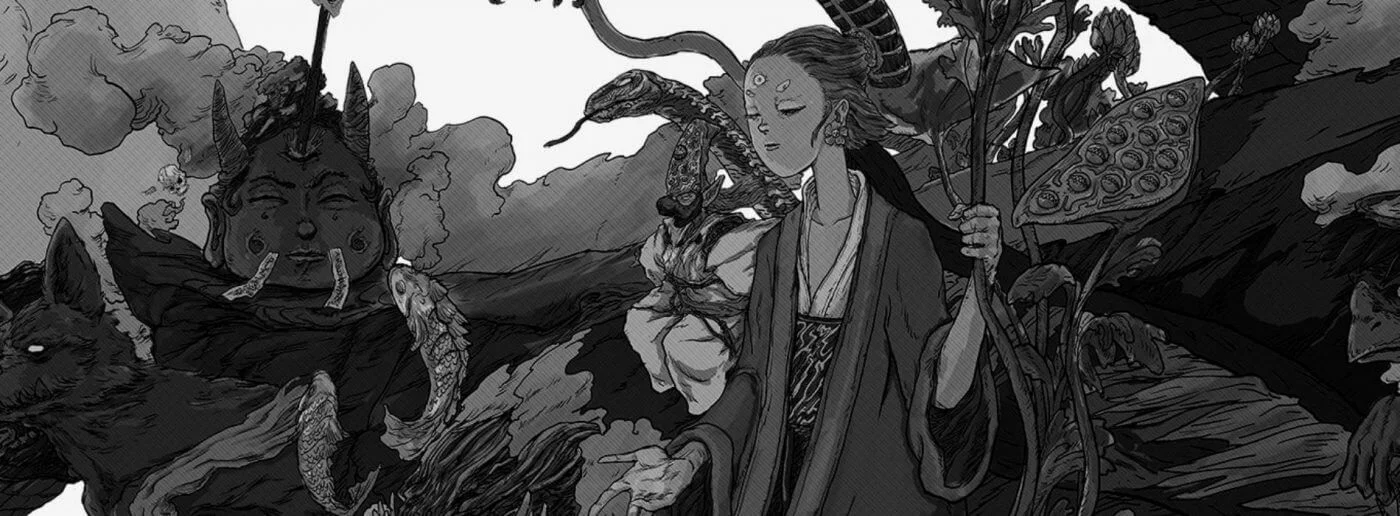
Like goblins, vampires, mermaids and fairies, yokai are the invisible creatures that are prevalent in Japanese mythology. They’re small, spooky, and often depicted as ghosts, demons, or spirits in traditional Japanese art and more recently in manga and anime.
These supernatural beings are derived from Shinto and Buddhist traditions as well as from Chinese and foreign stories. Each of the spirits has a unique story, whether it’s a Oni or Tengu demon, terrifying yurei or legendary creatures, each has a unique tale.
Discover the mysterious world of Japanese yokai.
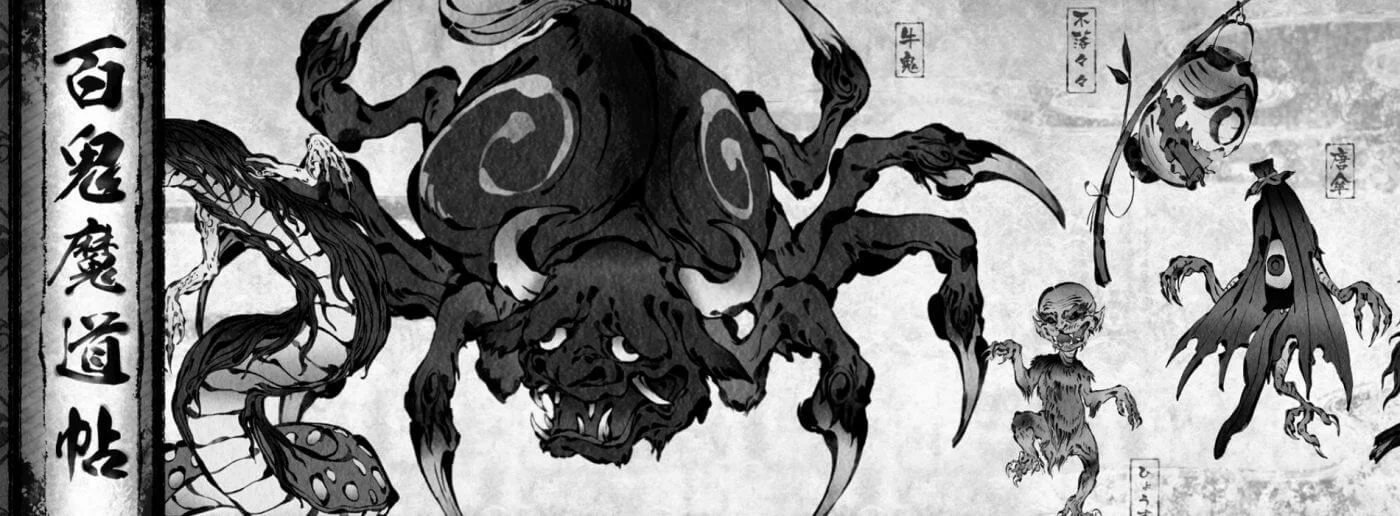
The significant association of animals in Japan Animals are not excluded from Japanese folklore. Like our mythical creatures, such as the unicorns, werewolves, centaurs and other griffins, Japanese stories are filled with dragons, Kitsune (polymorphous foxes) and Bakeneko (evil cats) with extraordinary abilities. Other than the incredible animals, Japanese people are particularly devoted to cats, bears or koi that have a religious significance. Each animal has its own unique characteristics and specialties.
Conclusion on the introduction to Japanese mythology
Through Japanese mythology, we can observe the beginnings of Japanese culture. The mythology, which is based on the Shinto religion and ancestral myths, continues to amaze us with its poetic stories that explain the origin of the universe.
Beyond the entertaining narratives and tales that entertain children, each mythical character has a message and value that is specific to the Japanese culture.
Major gods of Japanese
View all →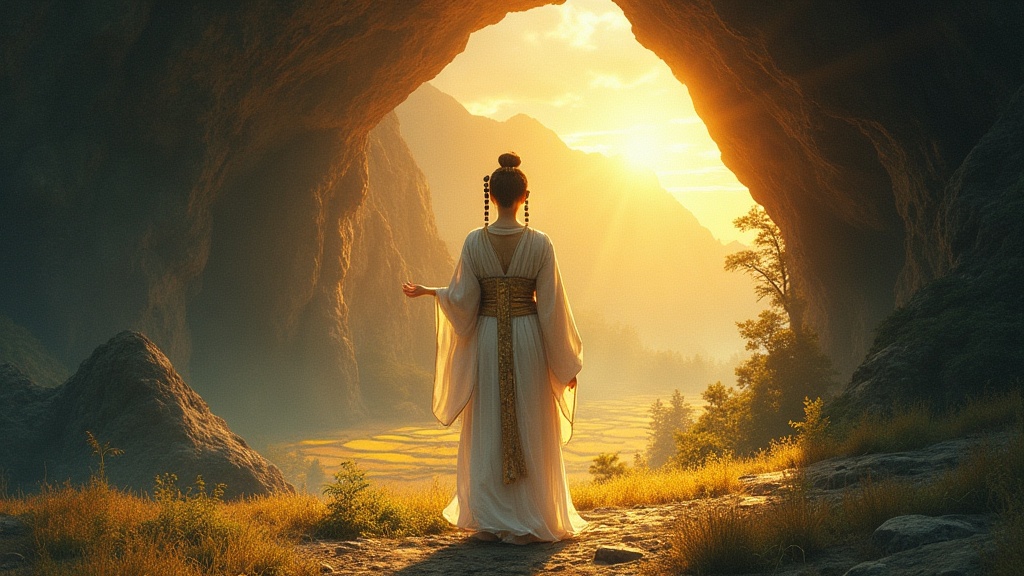
Japanese
Amaterasu: The Sun Goddess Who Hid the World in Darkness
Amaterasu, the Japanese sun goddess, rules the High Plain of Heaven and holds the cosmos together. Her retreat into a cave nearly extinguished all light - and her return reshaped the divine order forever.
Japanese
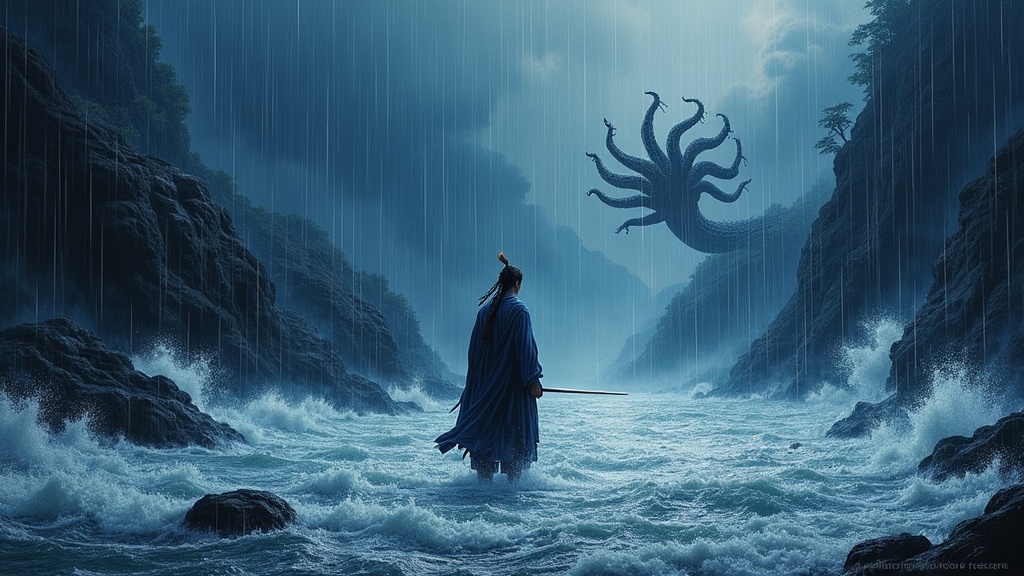
Susanoo the Storm God: Chaos, Courage, and the First Poem in Japanese Myth
Banished from heaven, mourned by the seas, and celebrated as the slayer of an eight-headed dragon, Susanoo stands as the most turbulent and deeply human figure in the Japanese pantheon.
Famous Japanese myths
View all →Recent in Japanese
6 entriesJapanese
Amaterasu: The Sun Goddess Who Hid the World in Darkness
Amaterasu, the Japanese sun goddess, rules the High Plain of Heaven and holds the cosmos together. Her retreat into a cave nearly extinguished all light - and her return reshaped the divine order forever.
Japanese
Izanagi and Izanami: The Creation Myth That Built the Japanese Islands
Before Japan existed, two deities stood on a bridge of heaven and stirred the primordial sea. The story of Izanagi and Izanami is the most elemental creation myth in the Shinto tradition.

Japanese
Kappa: Water Demons of Rivers and Ponds
The kappa lurks in every river and pond of Japan, a reptilian child-sized creature that drowns swimmers, demands cucumbers, and bows with deadly politeness. Here is the full story of one of Japanese folklore's most enduring monsters.
Japanese
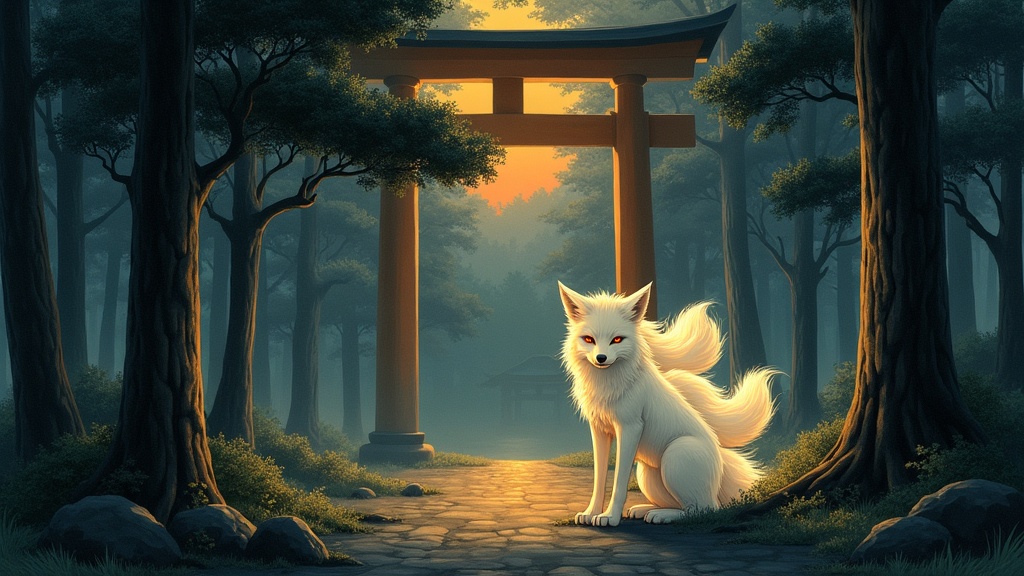
Kitsune: The Fox Spirit of Japanese Mythology
The kitsune is Japan's most storied supernatural creature: a fox of shifting form, ancient intelligence, and divine allegiance. From rice-field shrines to imperial courts, its nine tails have cast shadows across two millennia of myth.
Japanese
Susanoo the Storm God: Chaos, Courage, and the First Poem in Japanese Myth
Banished from heaven, mourned by the seas, and celebrated as the slayer of an eight-headed dragon, Susanoo stands as the most turbulent and deeply human figure in the Japanese pantheon.
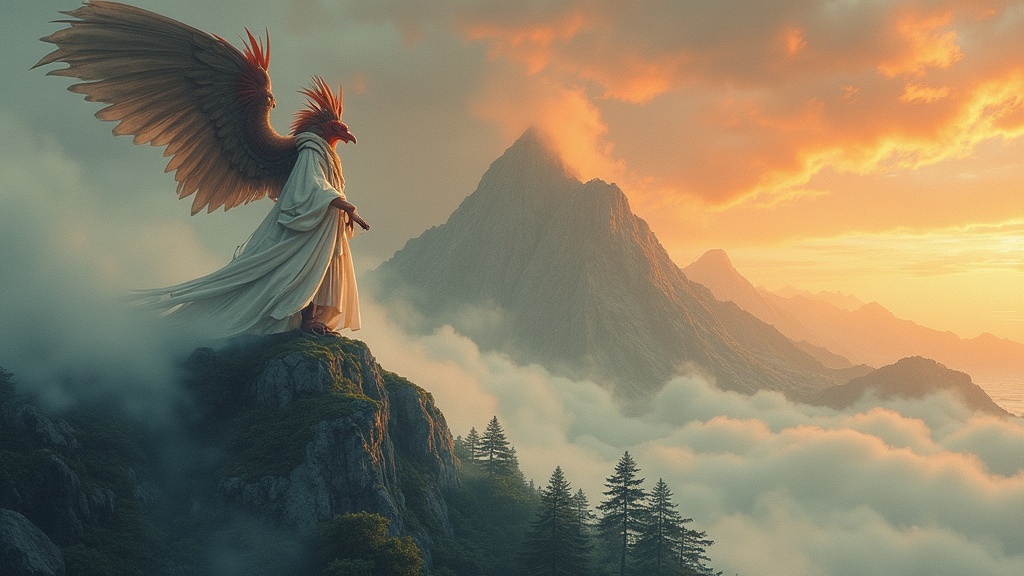
Japanese
Tengu: Mountain Goblins and Supernatural Warriors of Japanese Mythology
Half-bird, half-man, and entirely terrifying: the Tengu roamed Japan's sacred peaks for over a millennium, teaching swordsmanship, punishing the arrogant, and blurring the line between demon and divine protector.