
Egyptian
Symbols of Egyptian
The complete list of symbols in Egyptian.
This section of the Mythologis encyclopedia gathers 6 articles on the symbols of Egyptian: The Ankh, Ankh, Egyptian Scarab, Eye of Horus (Udjat), The Eye of Ra, Ouroboros. Each entry starts from the primary sources (the myths, epics, hymns and inscriptions that recorded them), explains who or what they were, the stories told about them and how they connect to the rest of Egyptian, and points to the scholarship worth reading next. Pick an entry below, or go back to the Egyptian guide for the overview.
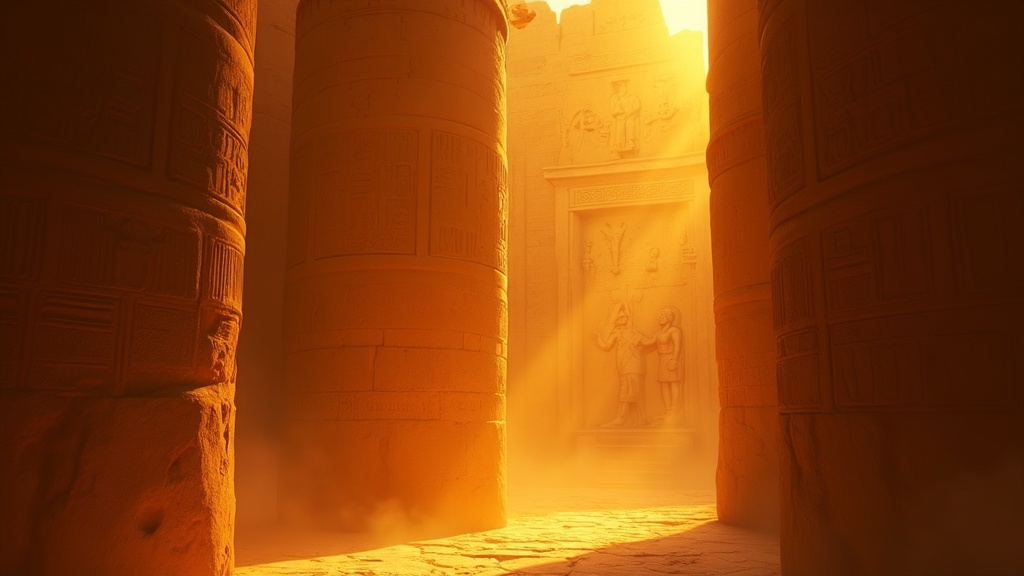
Egyptian
The Ankh: Egypt's Eternal Symbol of Life
The ankh is ancient Egypt's most recognizable hieroglyph, a looped cross carried by gods and pharaohs alike as the very key to immortal life. Discover its origins, meanings, and sacred legacy.
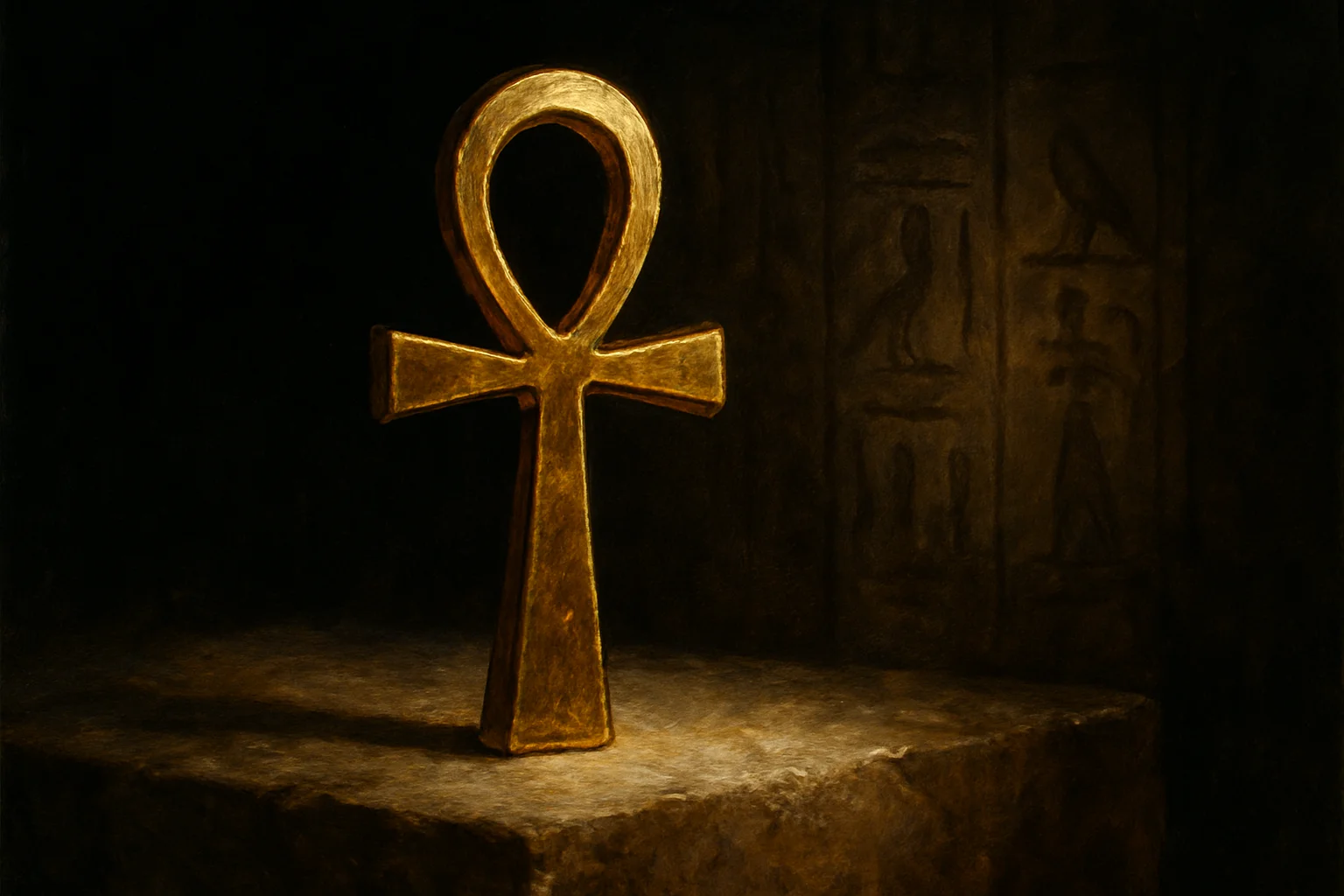
Egyptian
Ankh: Egyptian Cross of Life
The ankh appears in temple reliefs, funerary texts, and royal iconography as hieroglyph and symbol. Its meaning shifts across dynasties.
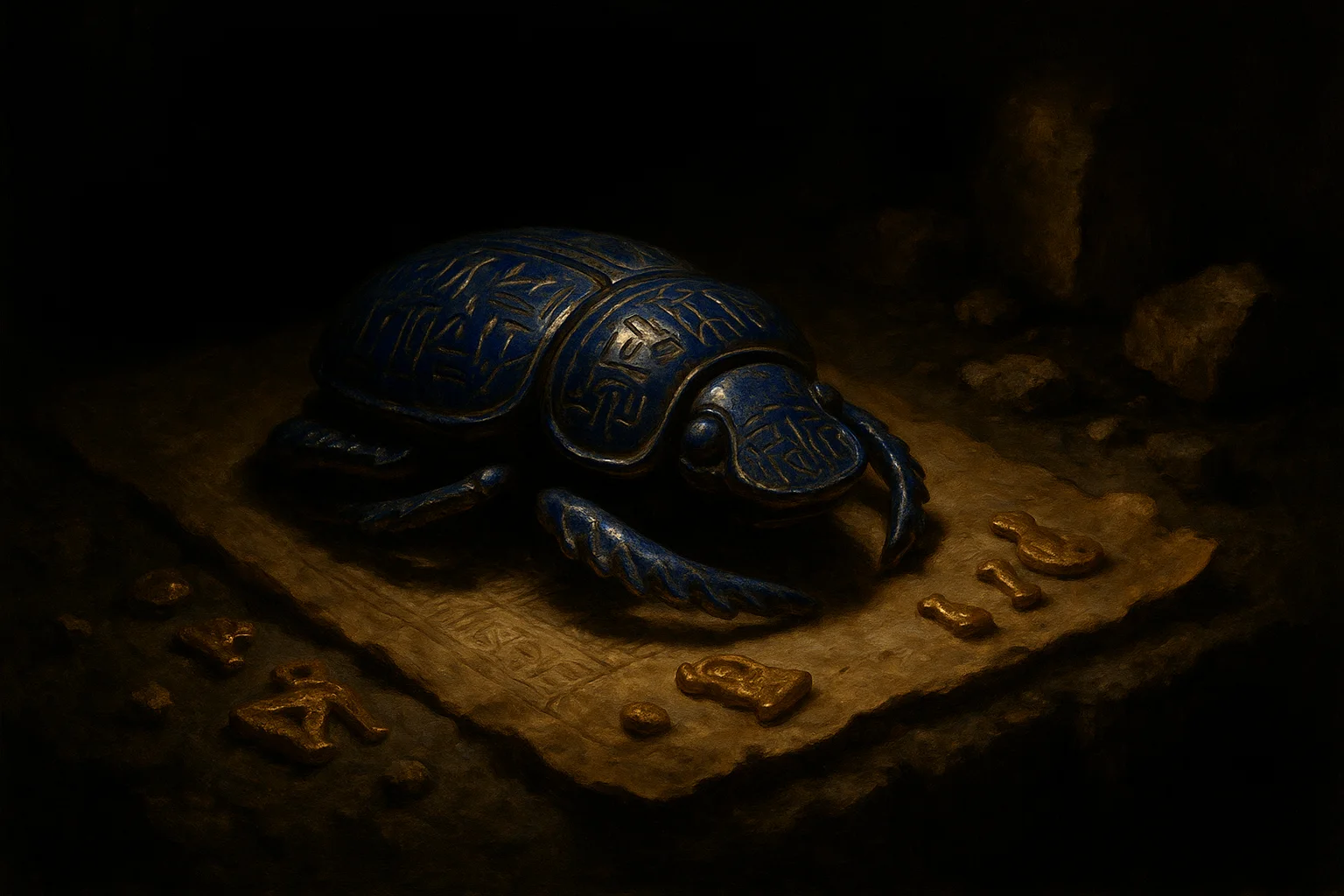
Egyptian
Egyptian Scarab: Solar Symbol and Sacred Amulet
The scarab beetle embodied Khepri, the self-created sun god. Explore its role in funerary practice, royal seals, and the theology of rebirth.
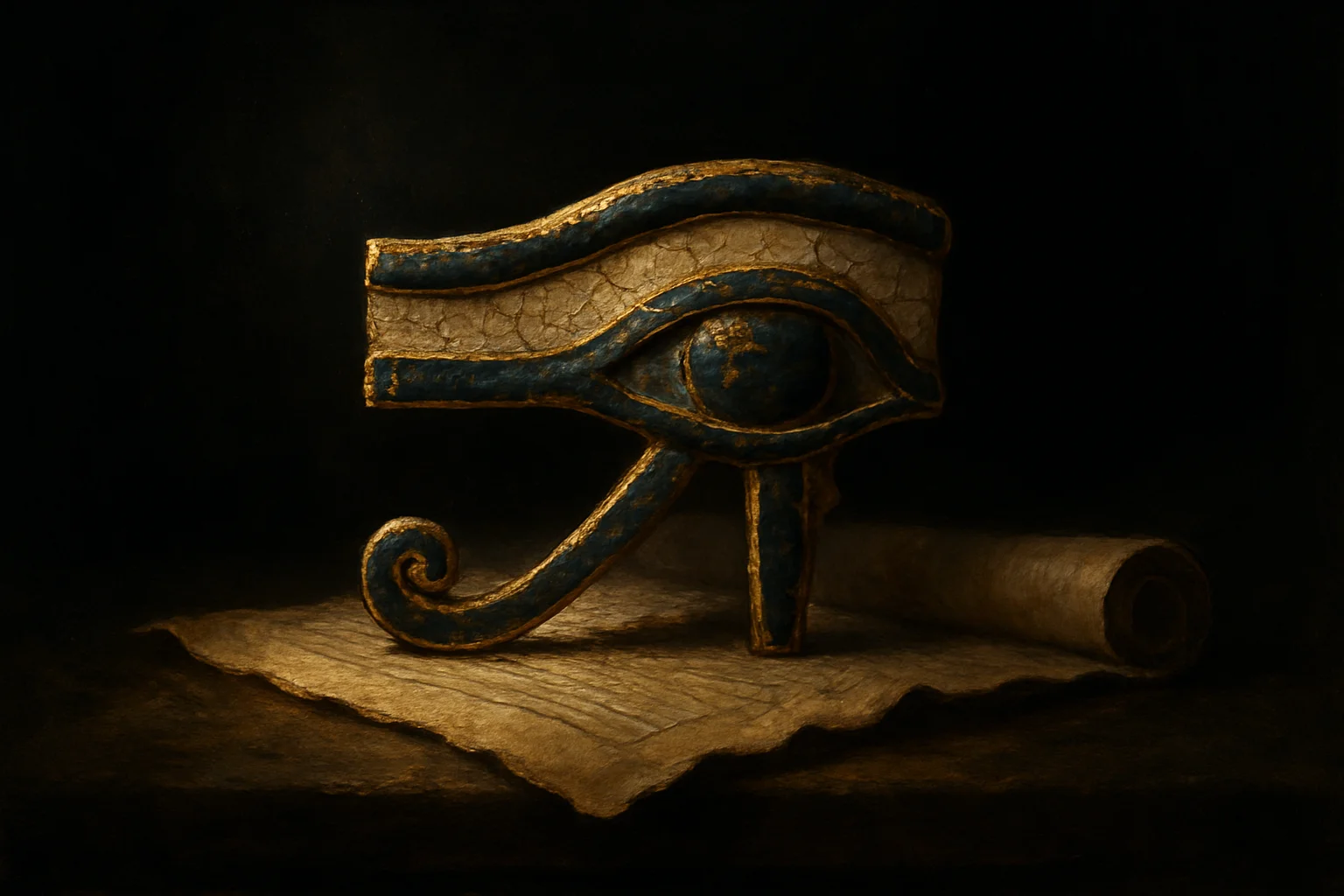
Egyptian
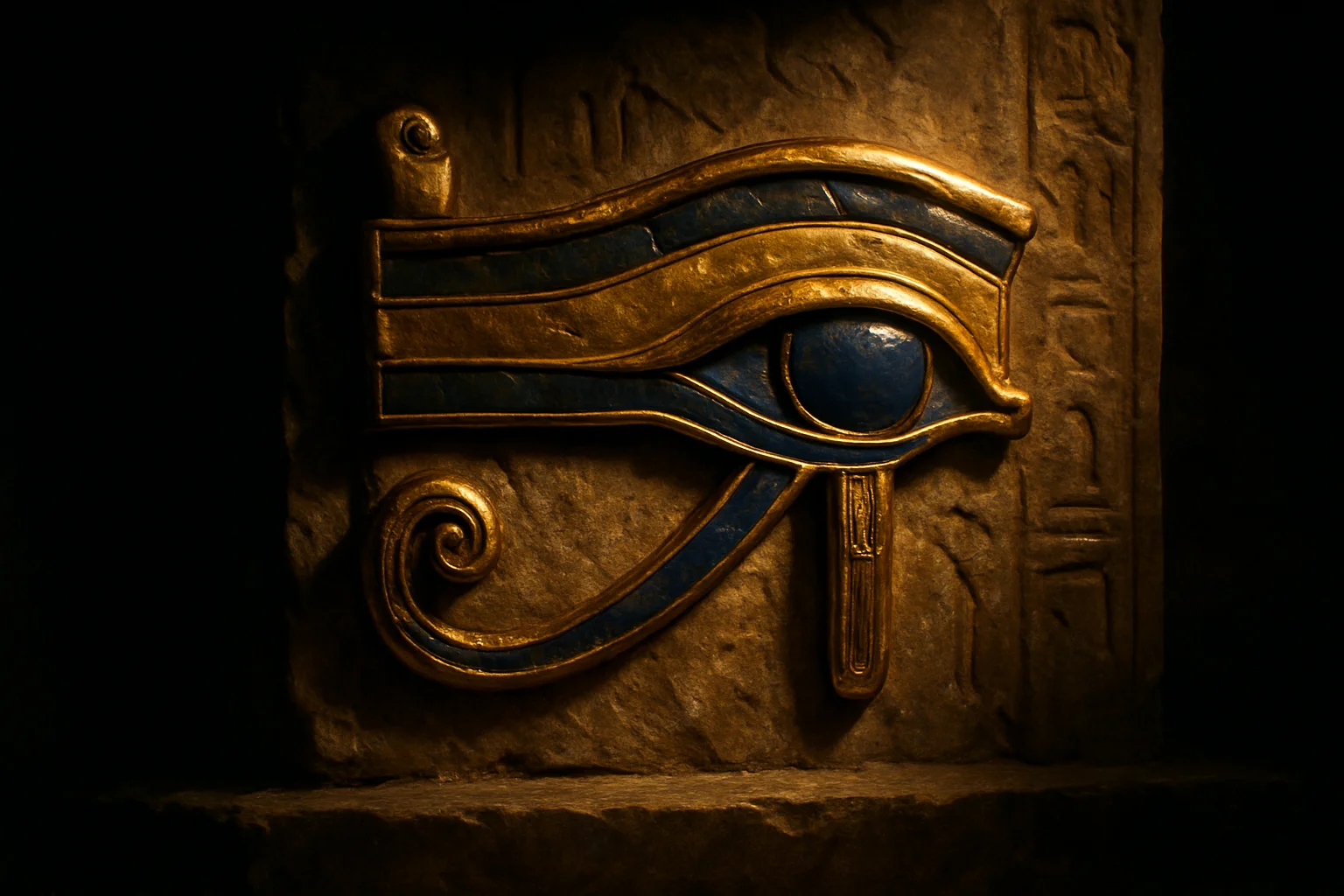
Eye of Horus (Udjat): Symbol, Myth, and Mathematics
The udjat eye appears in the Pyramid Texts as a token of wholeness. Explore its origin in the Osiris myth, its fractional notation, and its role as amulet.
Egyptian
The Eye of Ra: A Symbol of Strength and Prosperity
The Eye of Ra is not a passive emblem. It is the sun god's weapon, his daughter, and his fury. Primary sources, temple art, and ritual use.
Egyptian
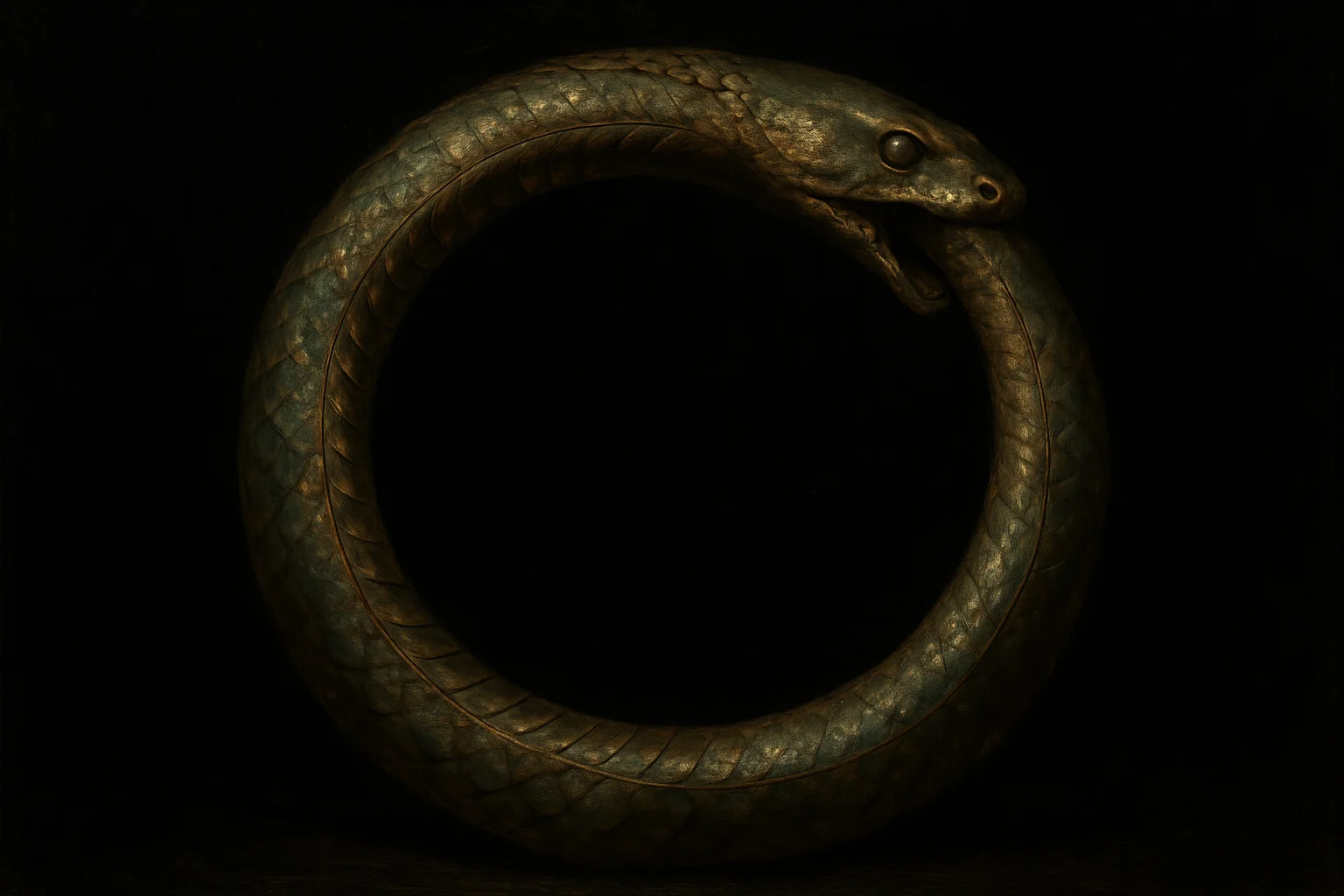
Ouroboros: A Timeless Symbol of Unity and Continuity
The ouroboros appears first in Egyptian funerary texts as a serpent encircling the sun god. Trace its path through alchemy, Gnosticism, and Norse myth.